
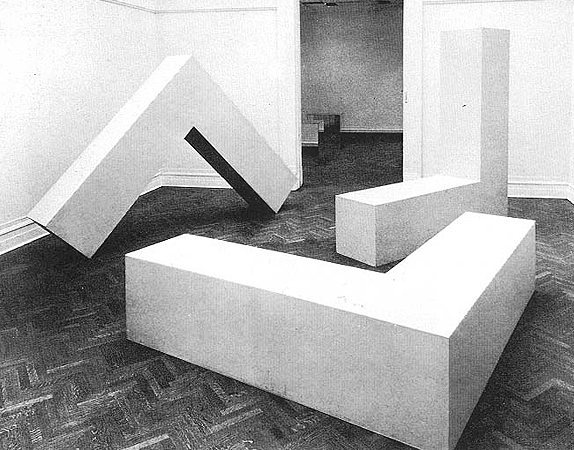
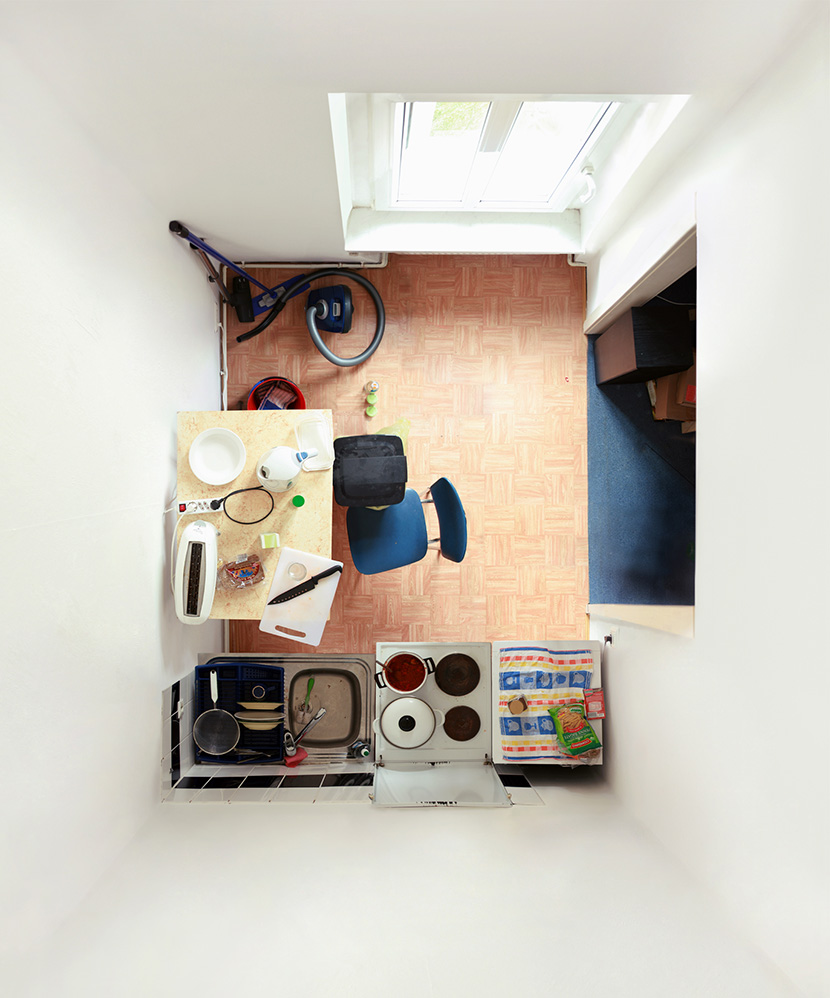
birds eye view
as i have drawn my plans all from birds eye view this fascinates me
http://mennoaden.com/room_portraits.html
national & RA


















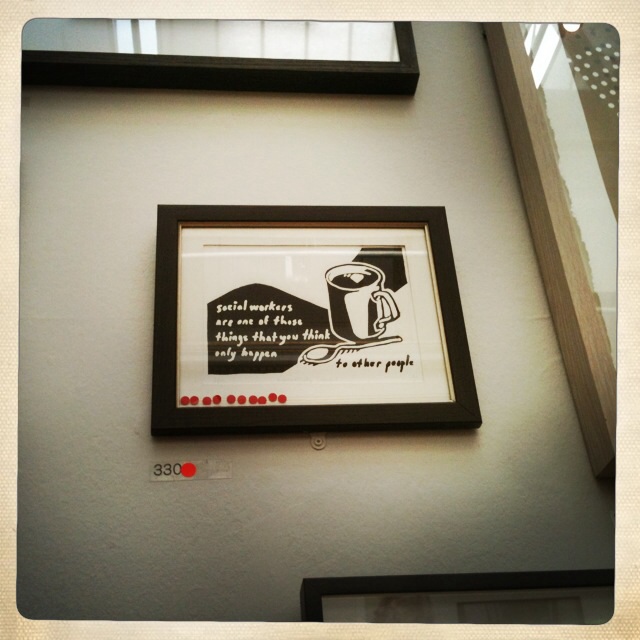
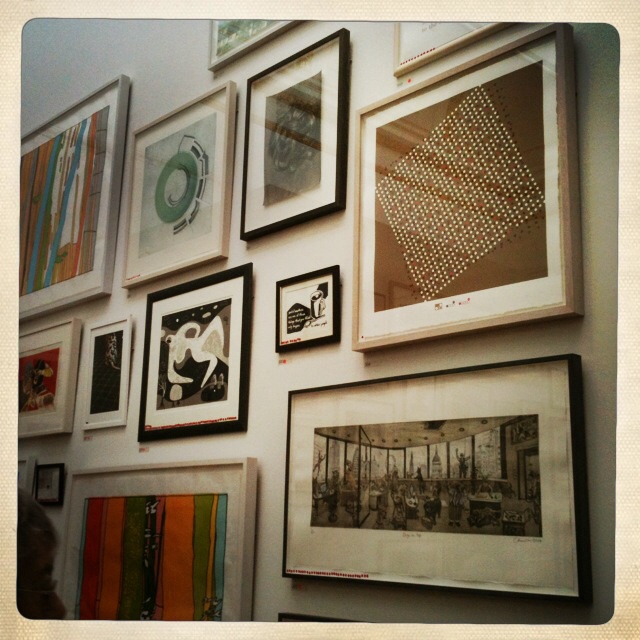

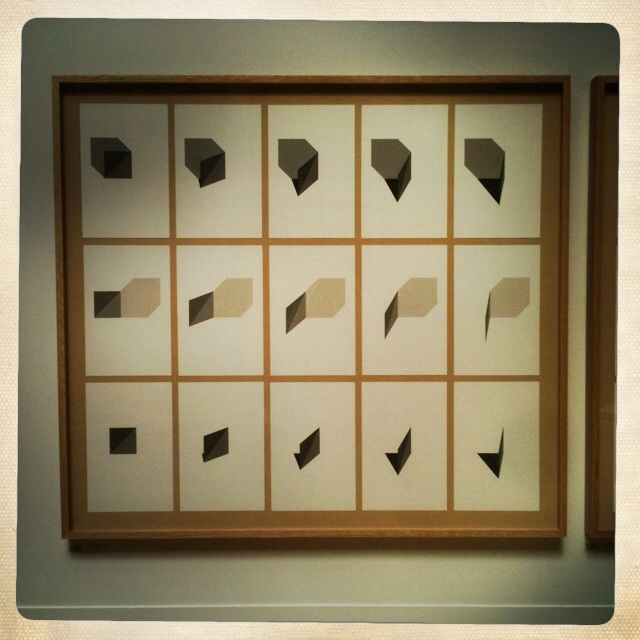
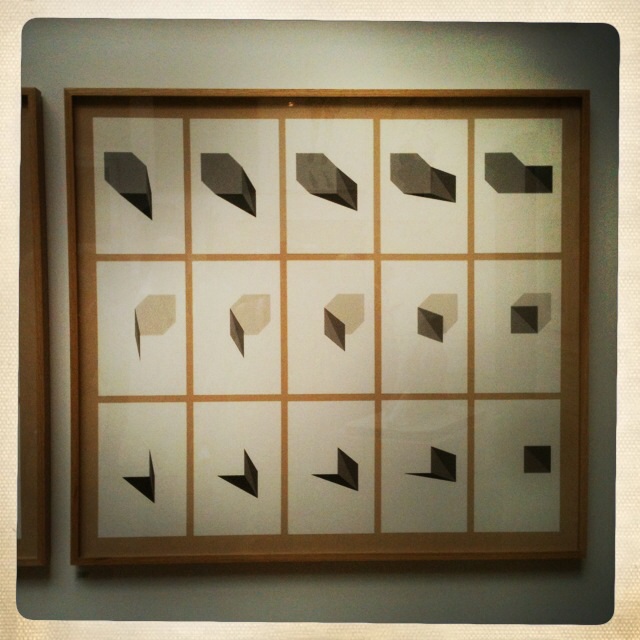
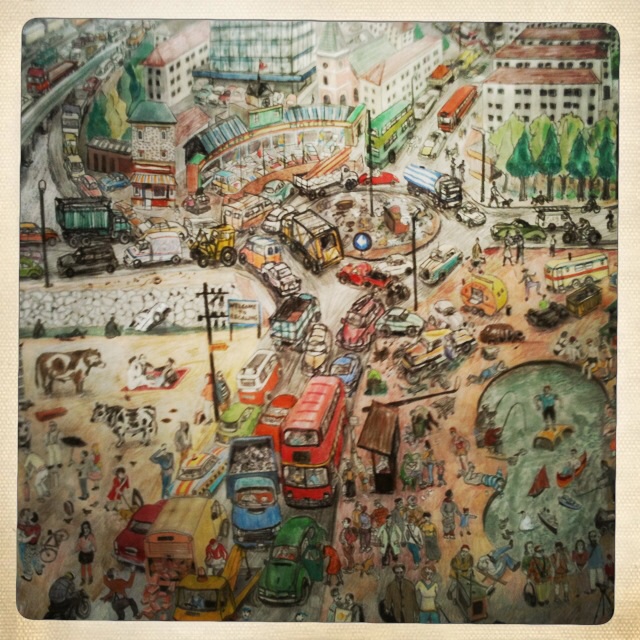

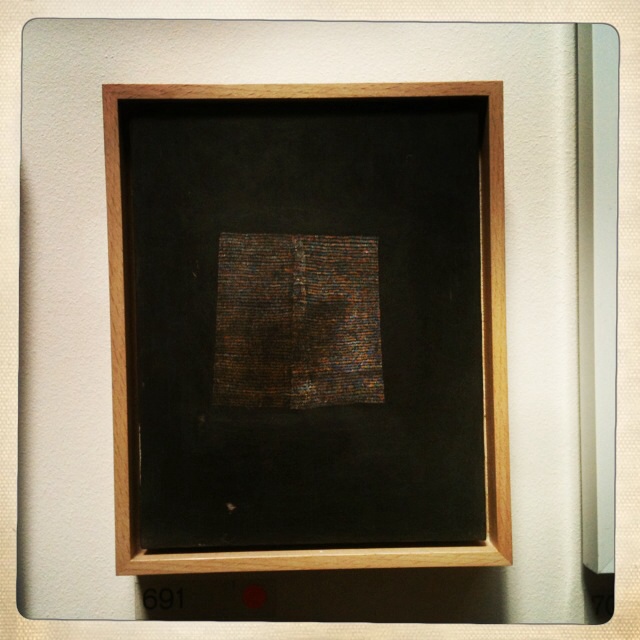




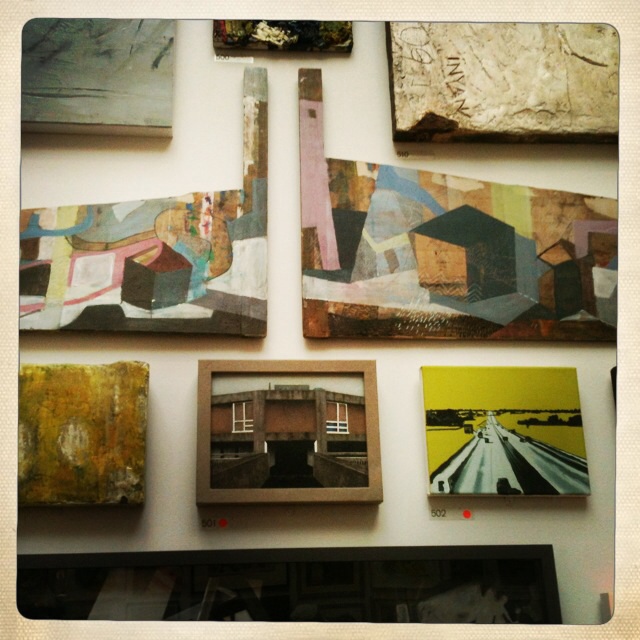



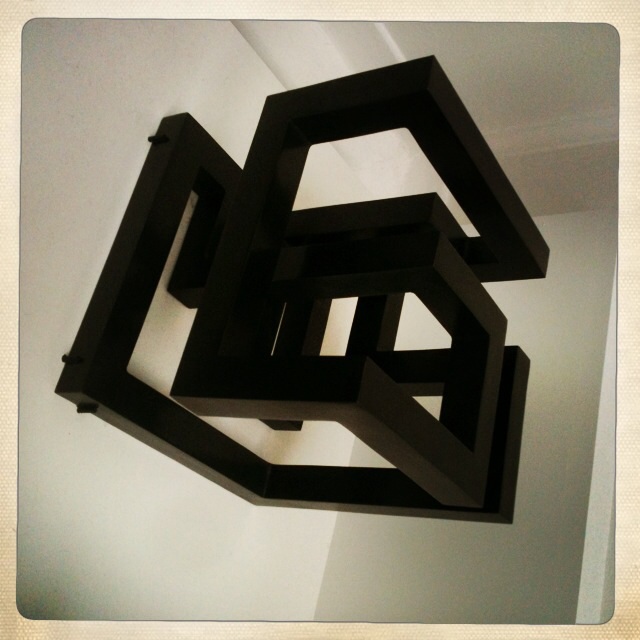


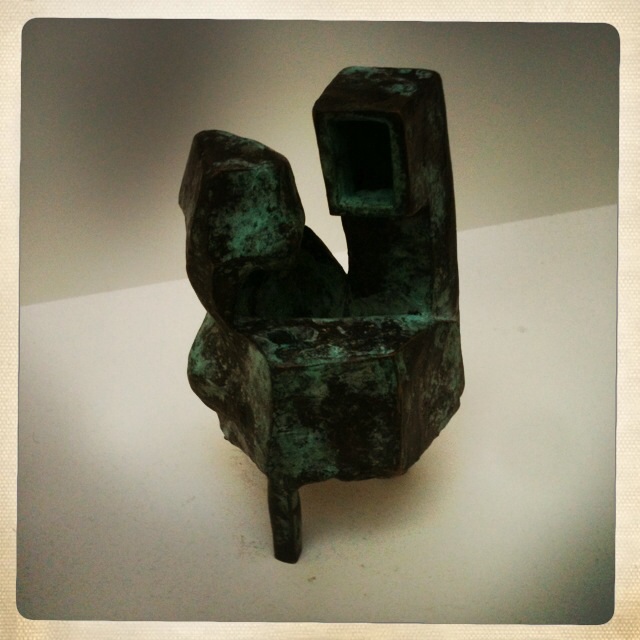
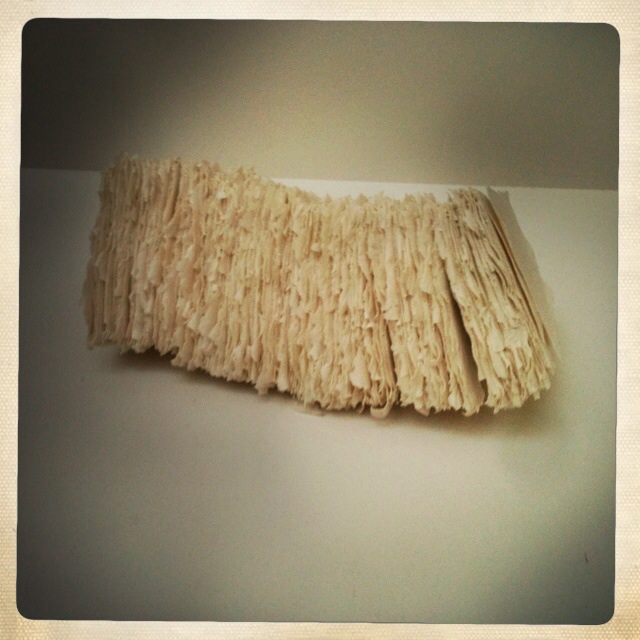
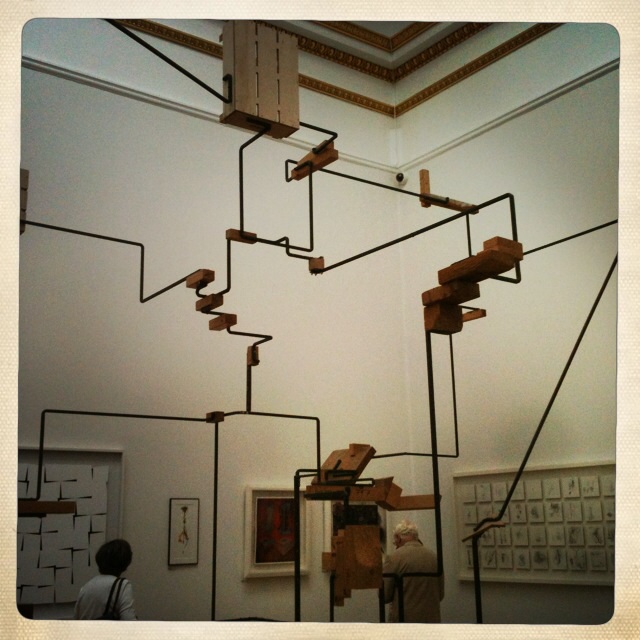

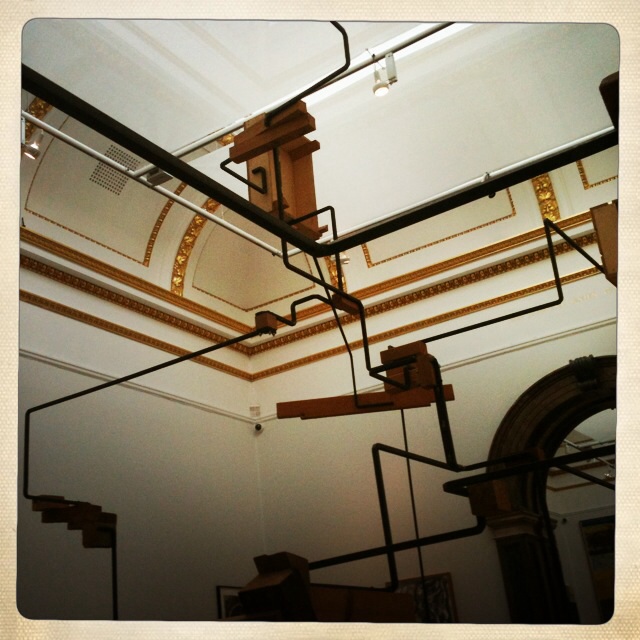



famous homes made into cubes


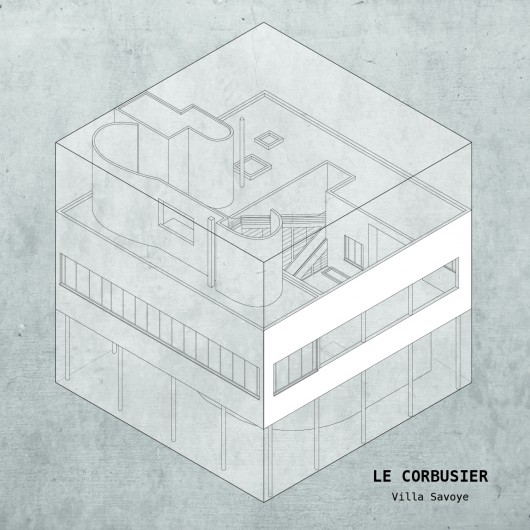
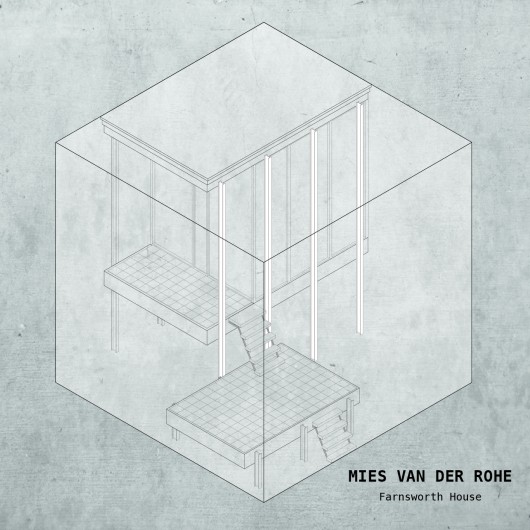

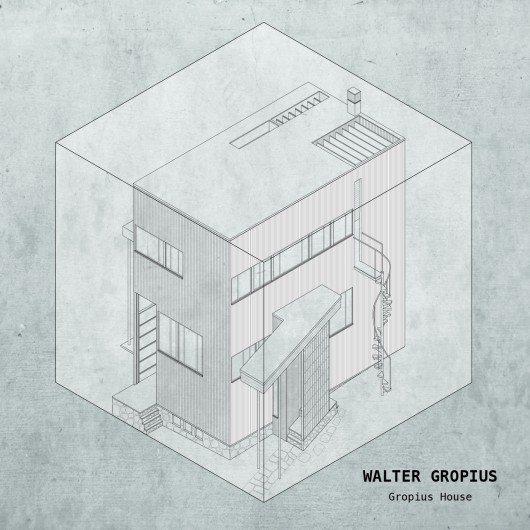
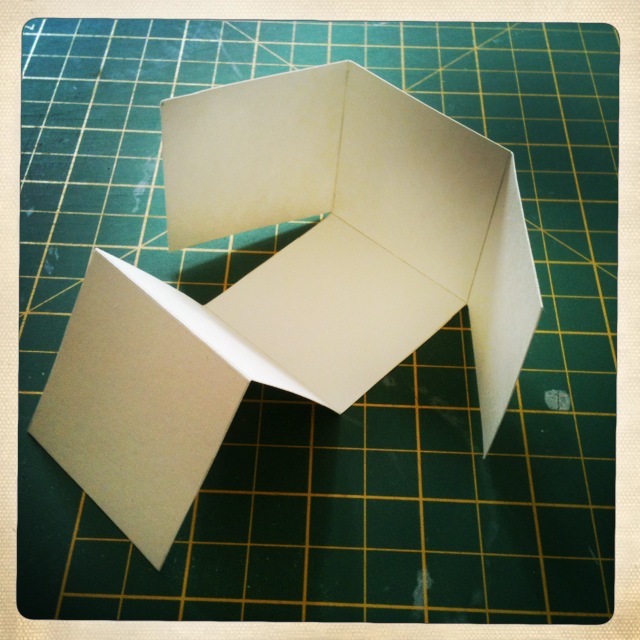
paper models
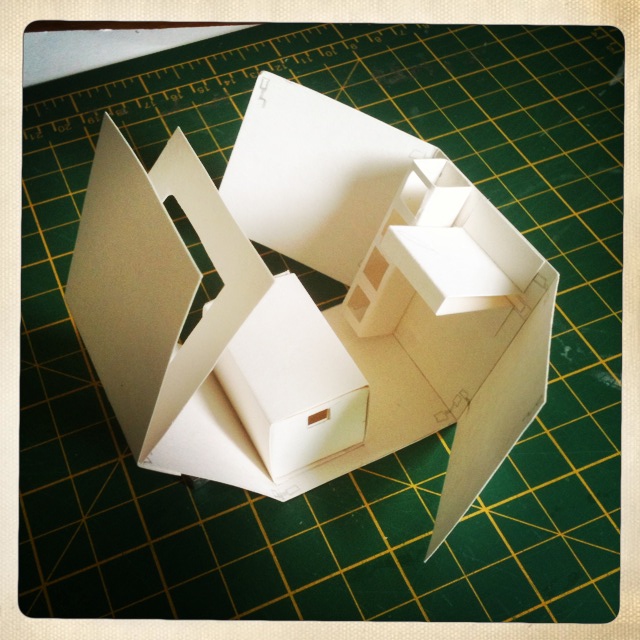
after in depth consideration, flitting back from one to the other, the design above is what will be put into action as i believe once the design is translated into wood their would be too much weight on the front corners when the doors are being opened. therefore the best way to place the roof is behind the seat not in front of the desk. still unsure what will happen to the roof as i suspect the hinges will not bend 360degrees and so then we get into having to have some kind of poles to support the weight of the roof. these could be highly unsightly, and i would prefer them to be hidden inside when the cube is completely folded up. if the cube is completely folded there should be no hint of what is to come inside until it is open. these in turn also excludes having a sun roof option as the hinges for that would also be visible on the outside. with the hines i have bought you will only see them once the cube doors open or the roof is lifted. i could possibly have the roof as a entirely separate piece which is lifted on at the end but ideally i would prefer it connected; it’ll al be decided by whether the roof needs its own support.
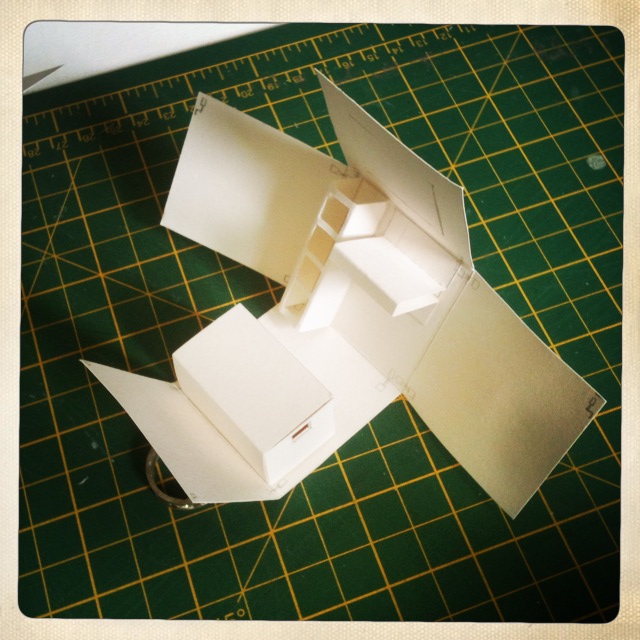
my new love
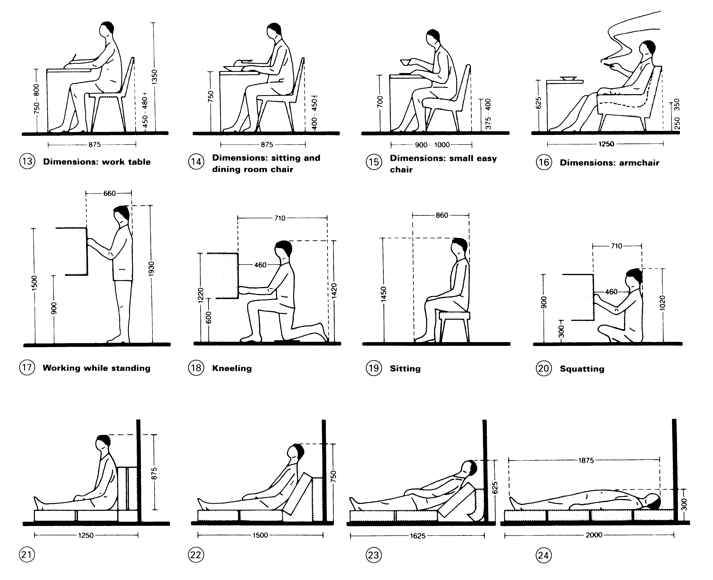
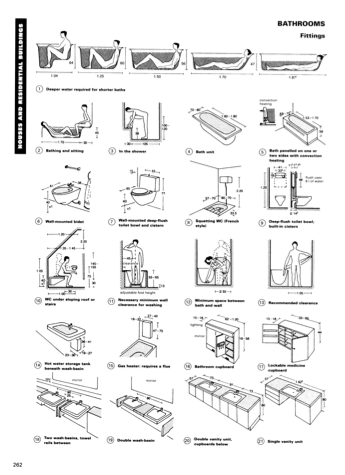
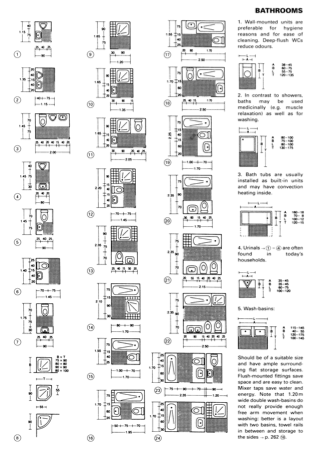
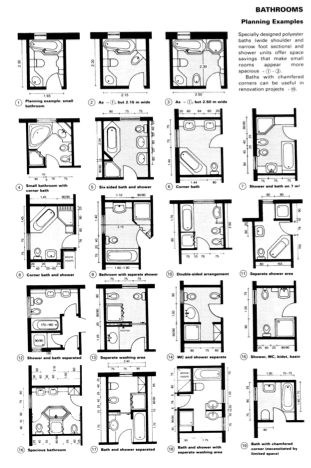
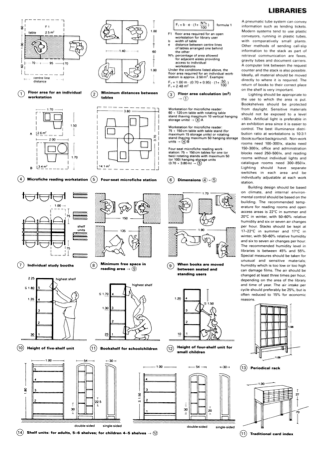
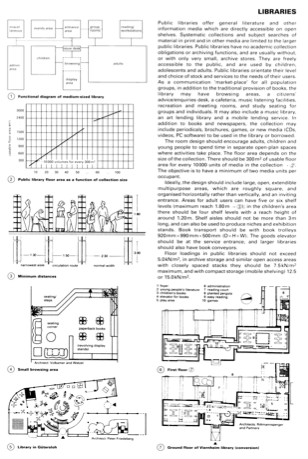
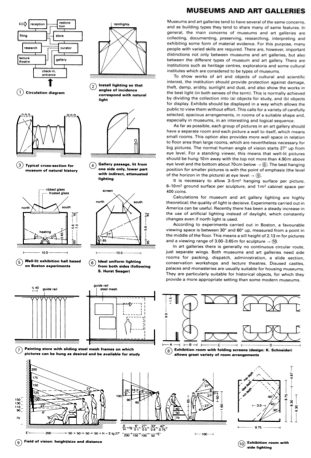
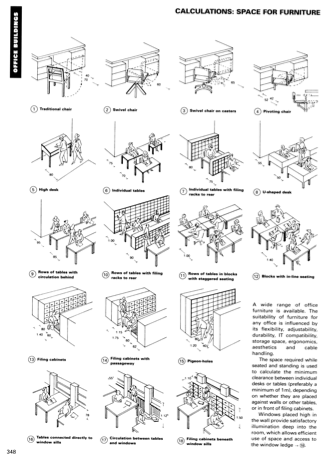
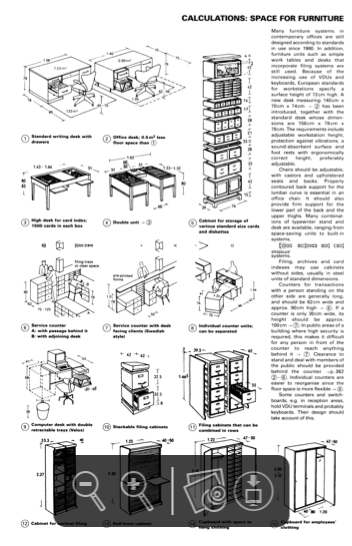
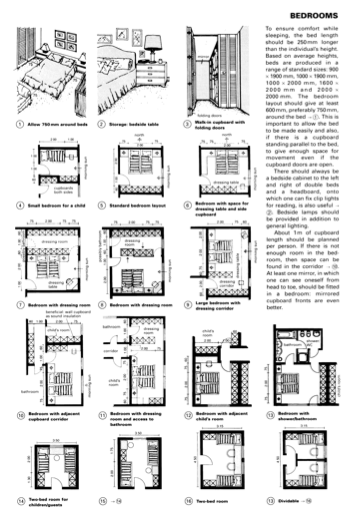
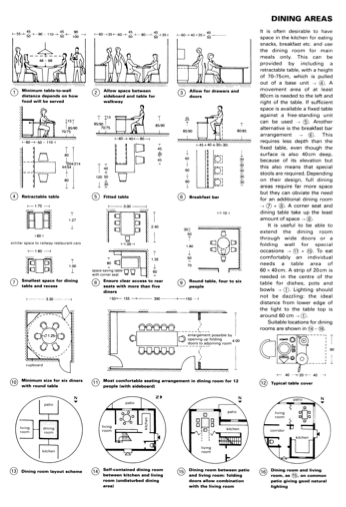
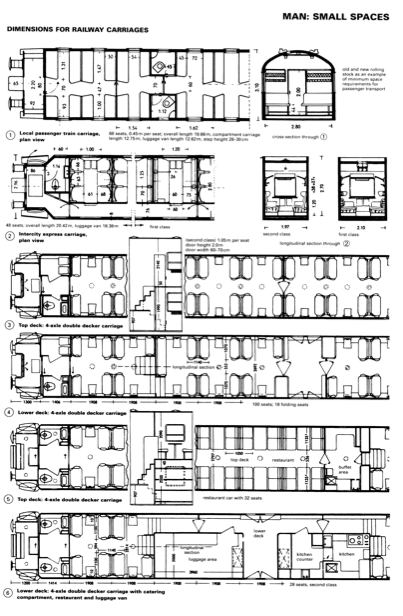
ernst and peter neufert
architect’s data
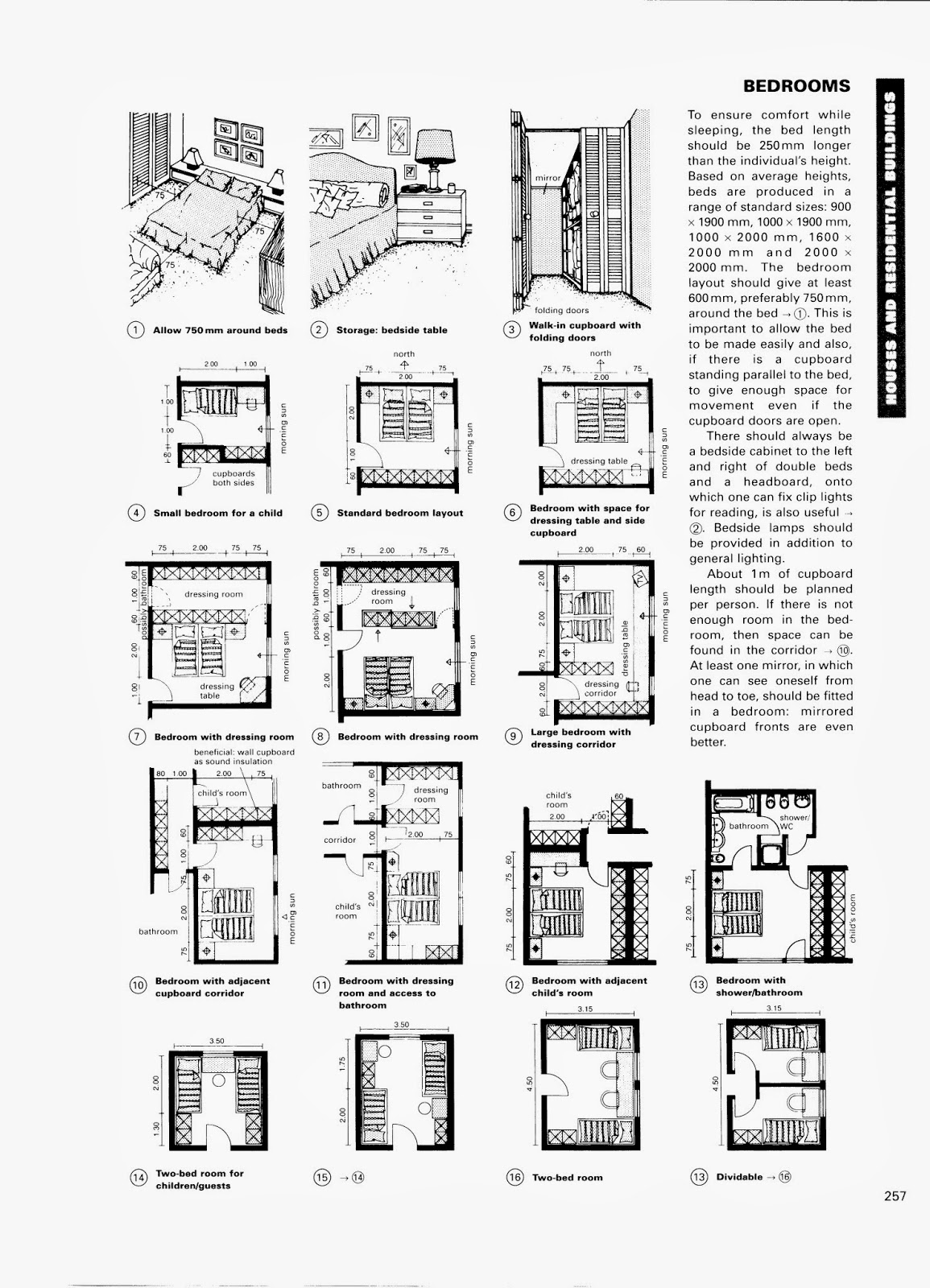
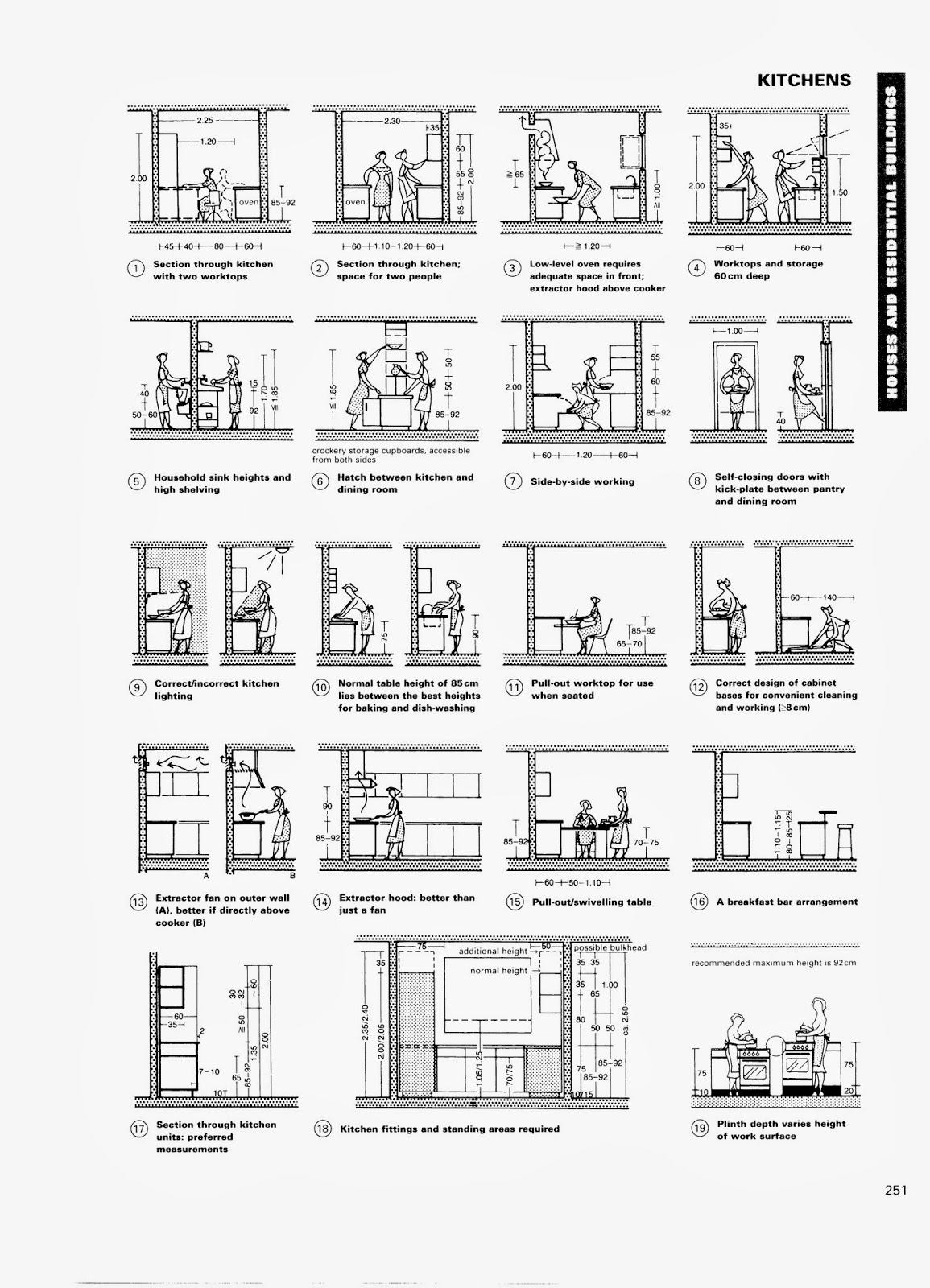
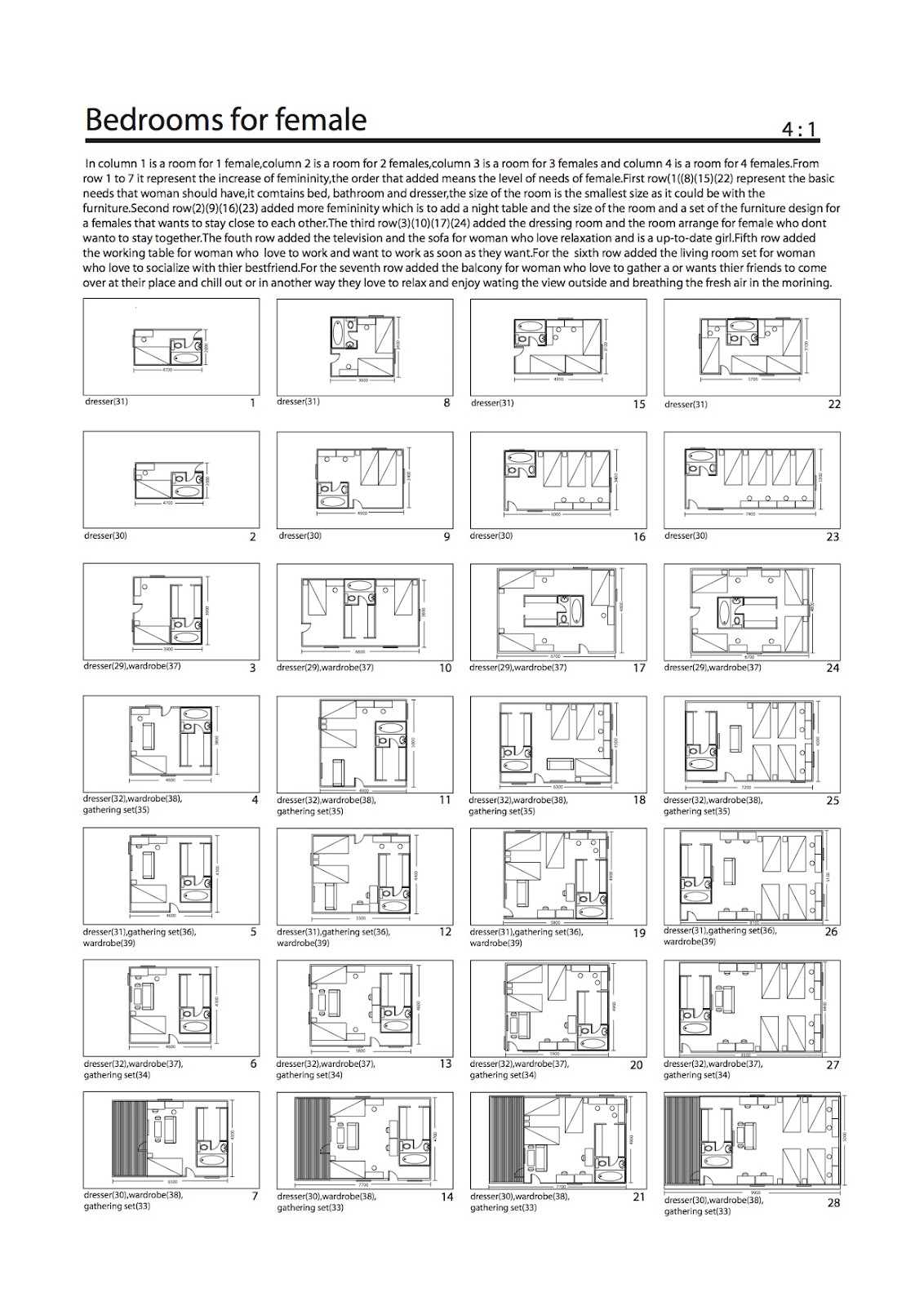
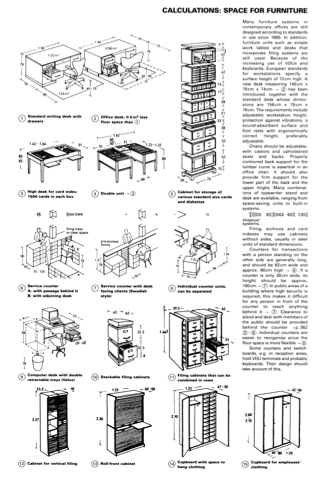
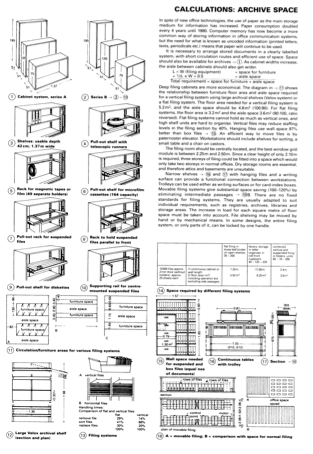
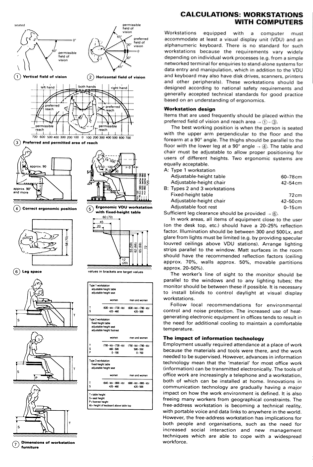
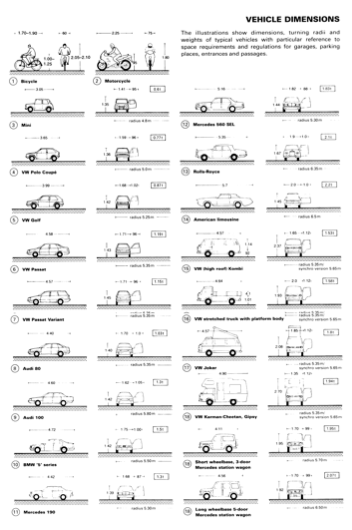
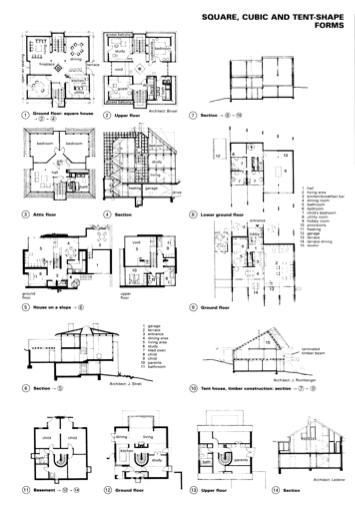
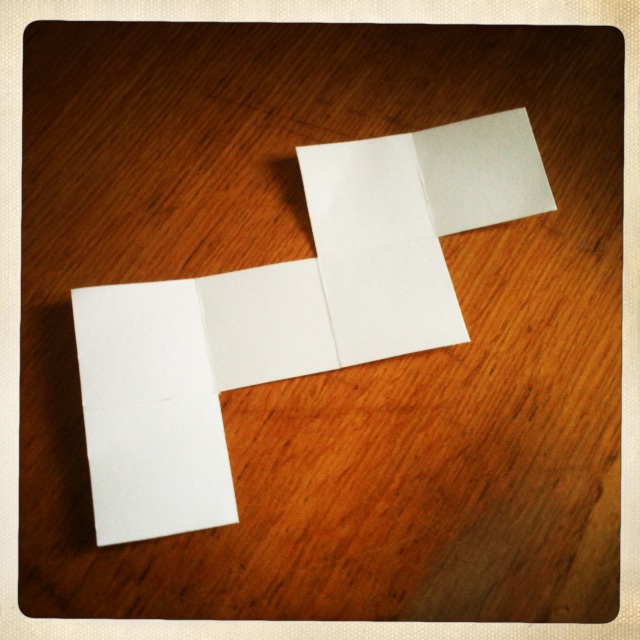
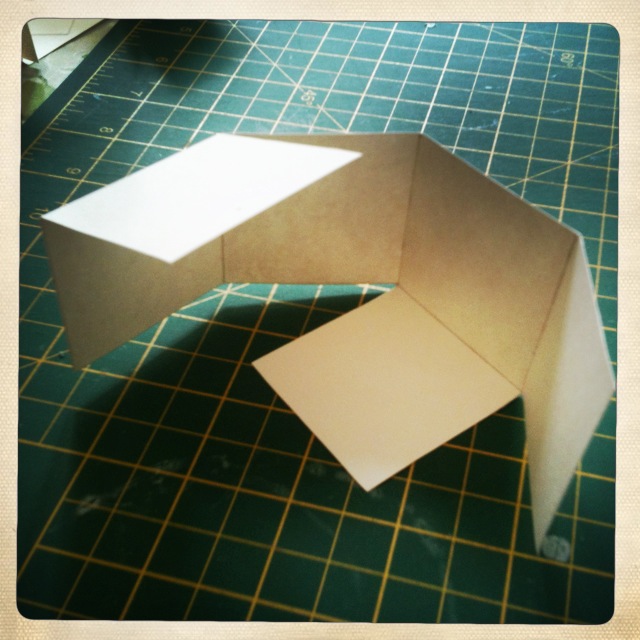
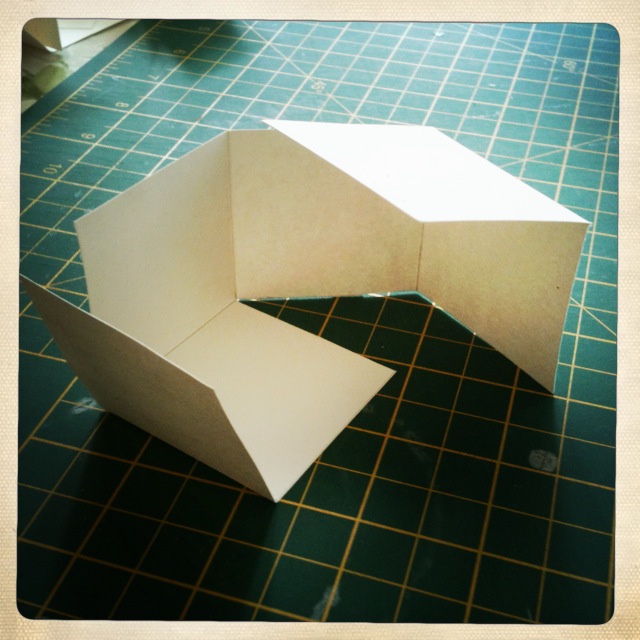
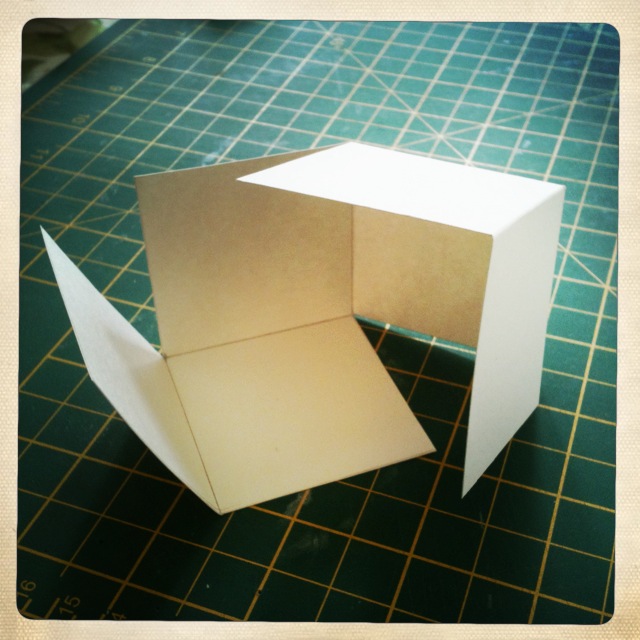
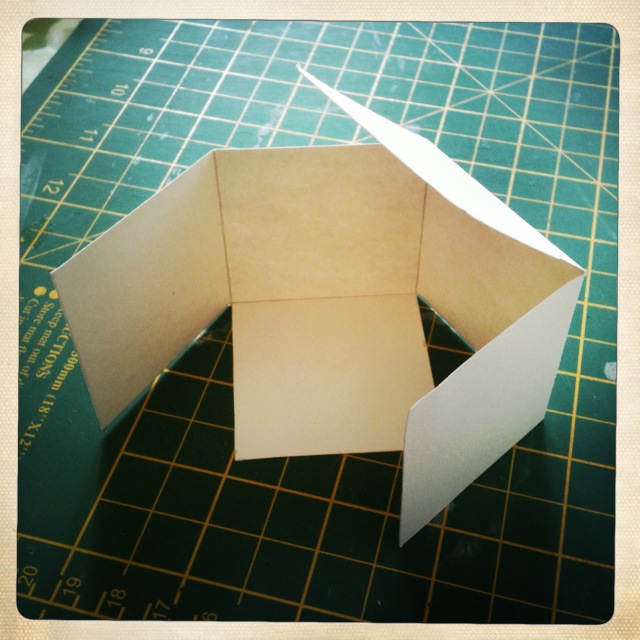
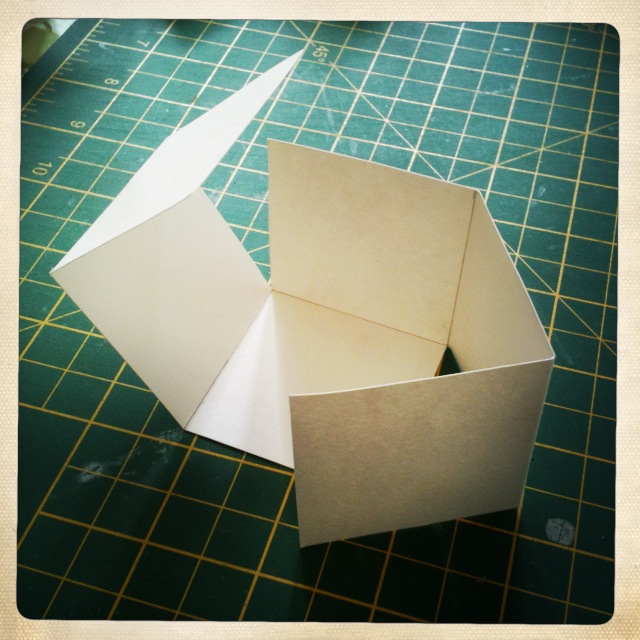
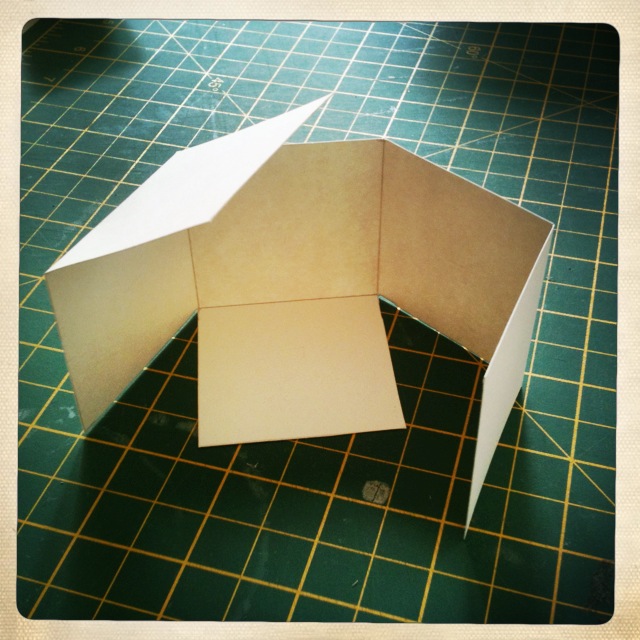
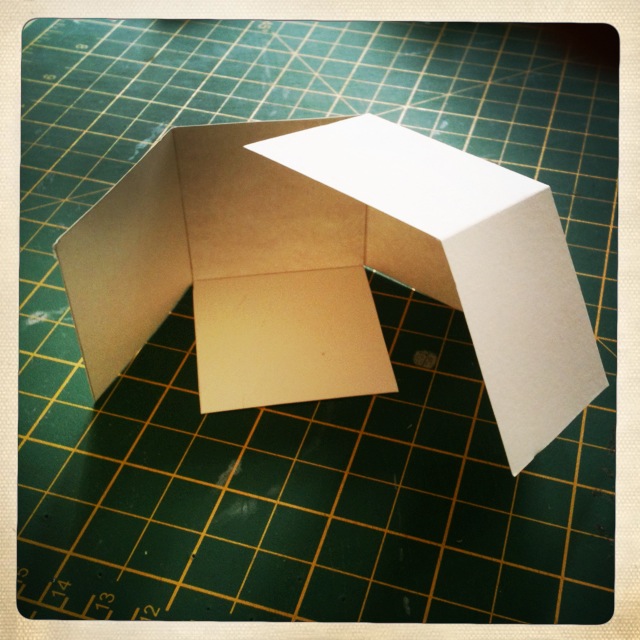
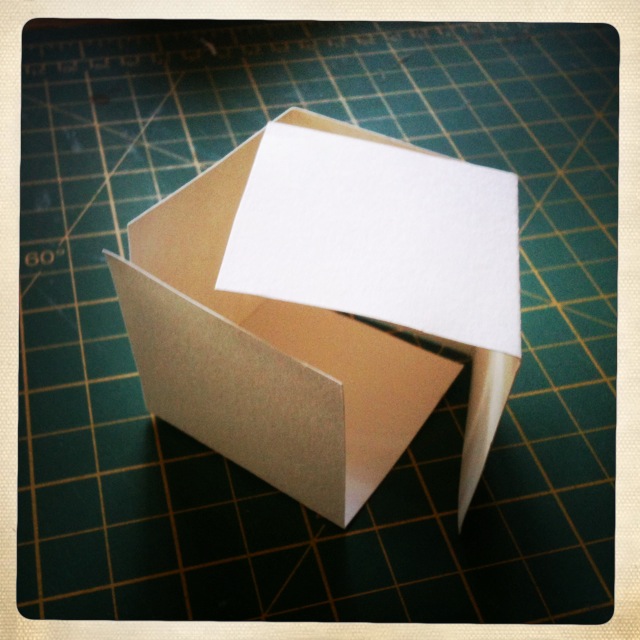
cube nets – flat










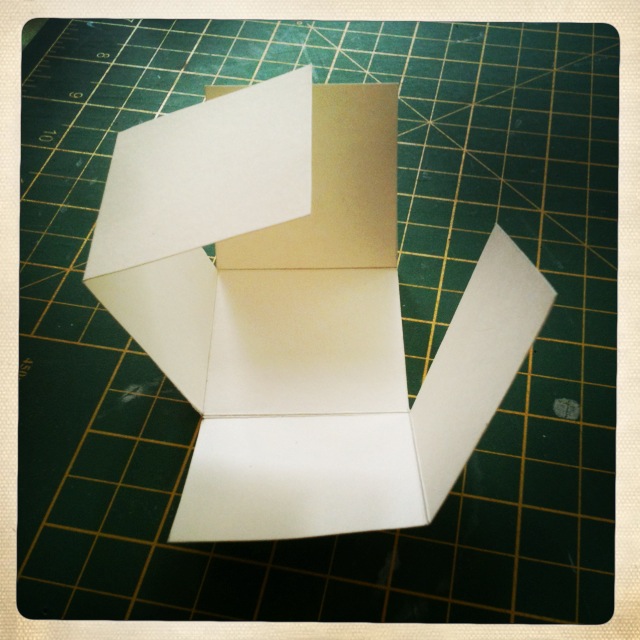
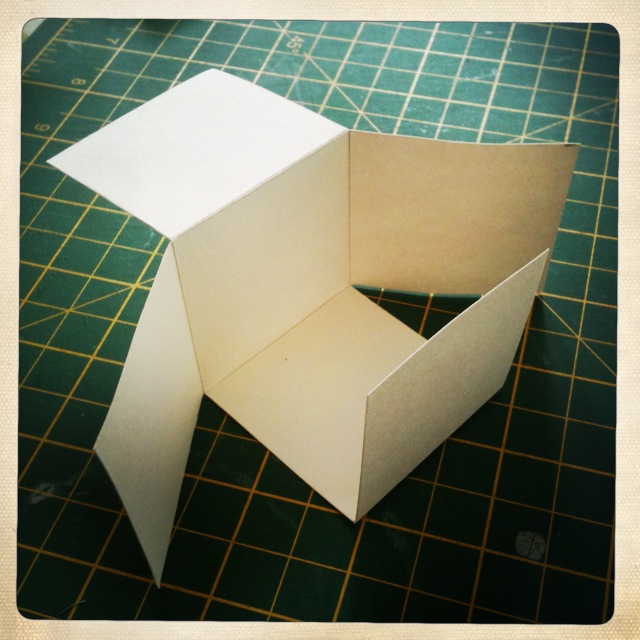
cube nets – folded

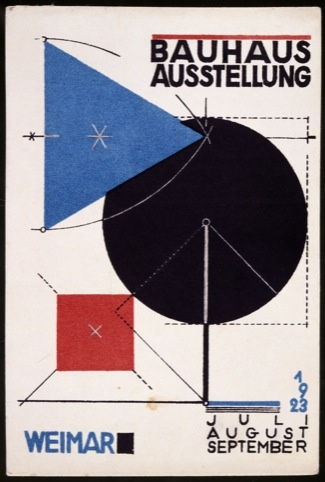
bauhaus designers
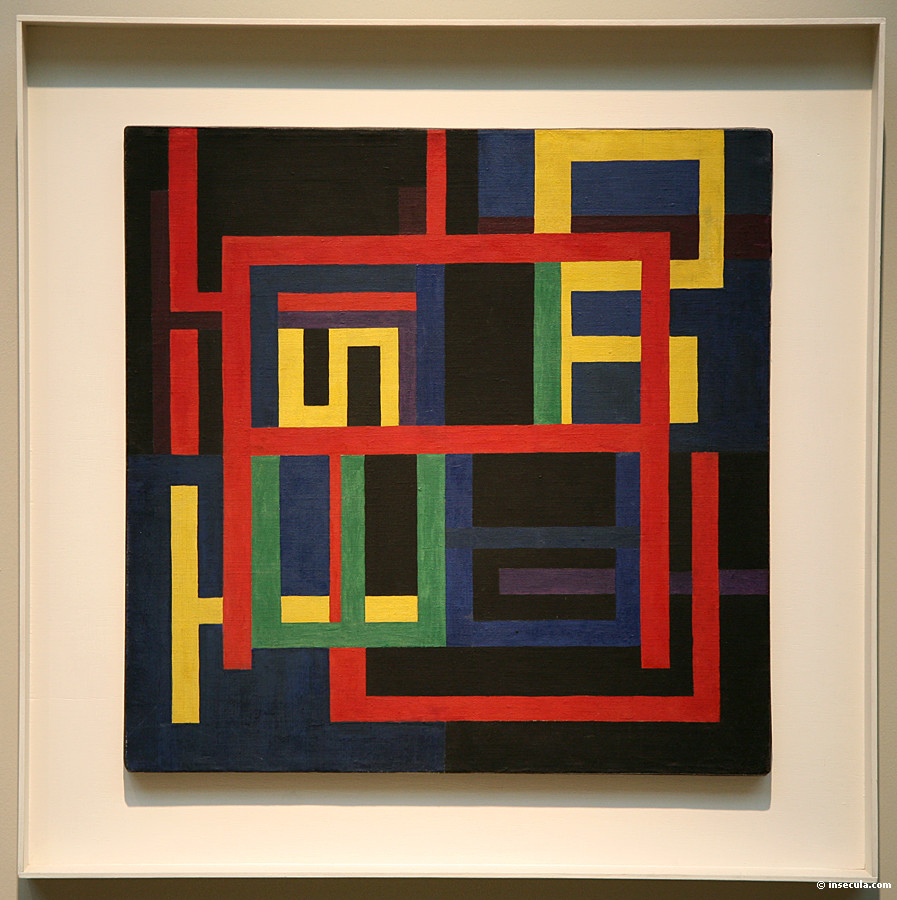
| FAMOUS BAUHAUS ARTISTS The list of professors and other staff members who taught art, design and handcrafts at the Staatliches Bauhaus in Weimar, Dessau or Berlin, include the following artists of note: – Josef Albers (1888-1976)
– Laszlo Moholy-Nagy (1895-1946)
– Joost Schmidt (1893-1948)
|

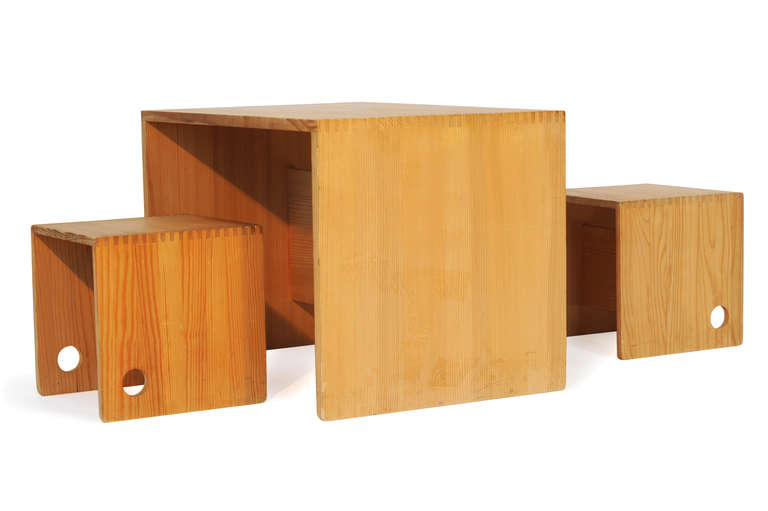
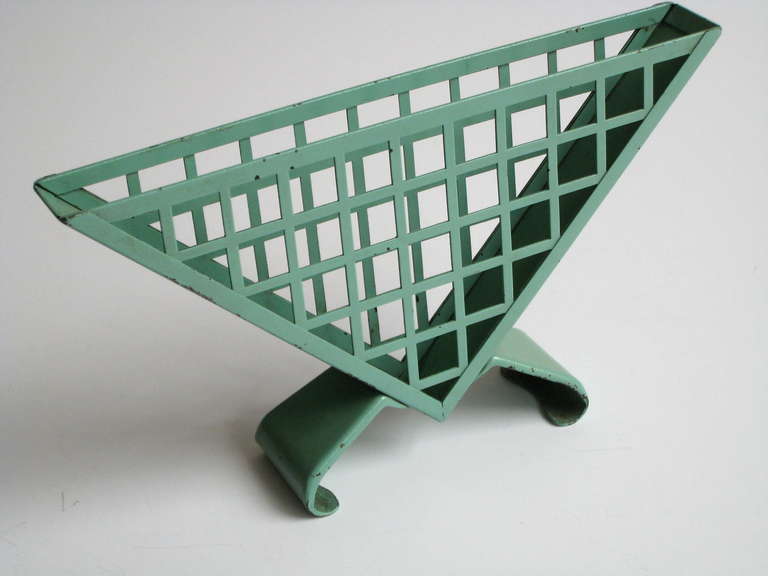


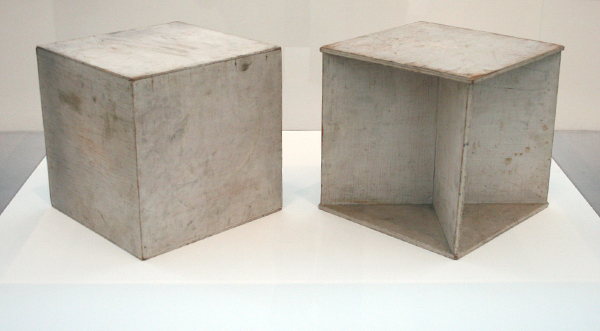



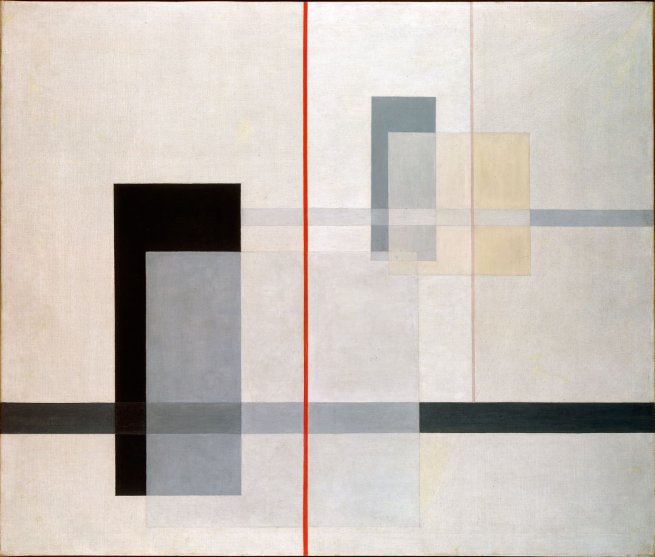

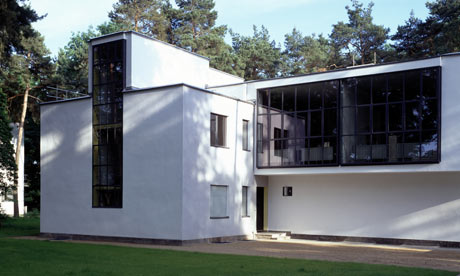
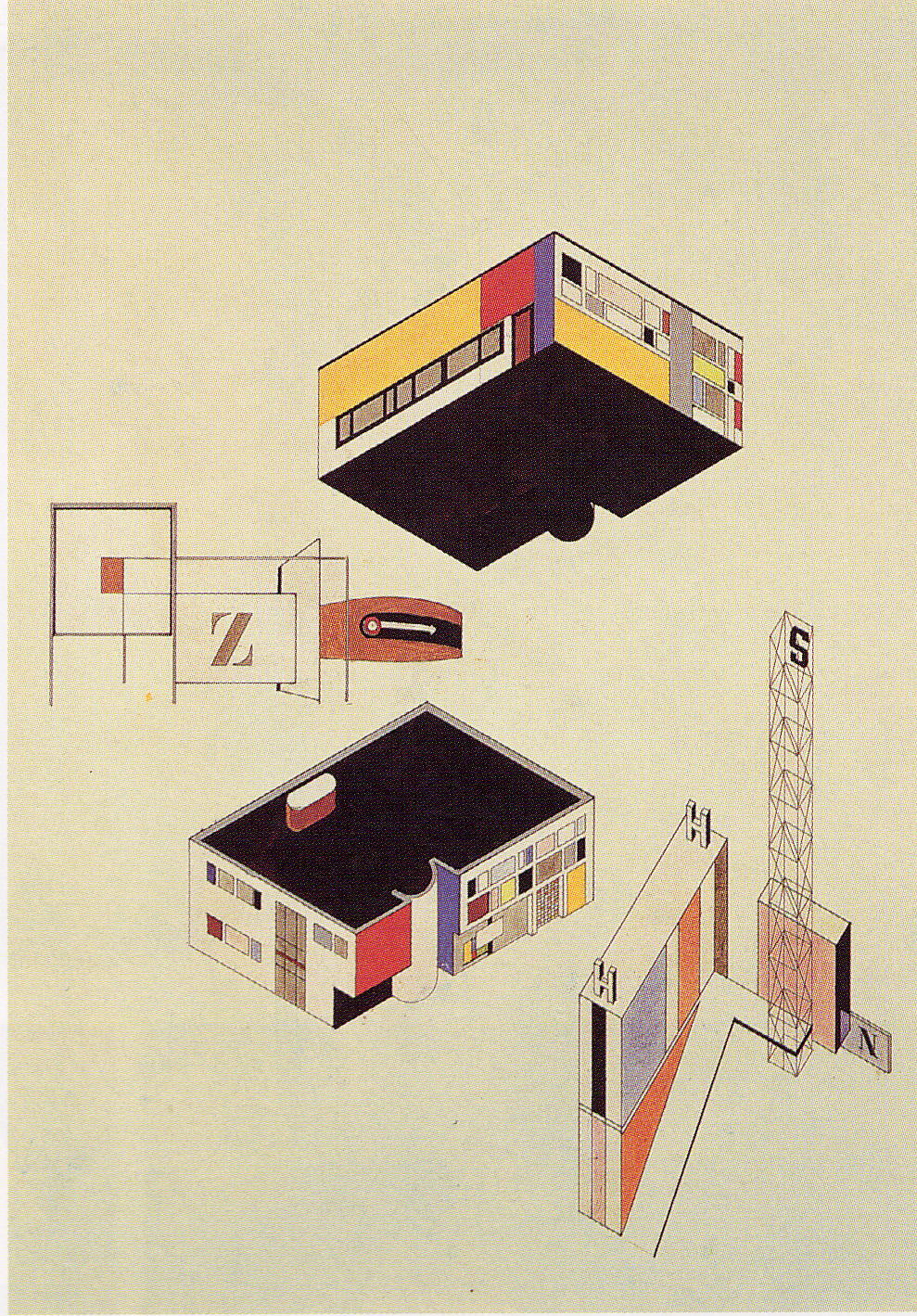


why does the bauhaus value a cube shape?
http://www.art.highlandschools.org.uk/links/movements/bauhaus/bauhaus.html
The Bauhaus was instrumental in developing a new style which reflected the values and processes of machine production. This style is often referred to as the “machine” or “industrial” aesthetic.
The Bauhaus was a German design school founded in 1919 by Walter Gropius. The name Bauhaus roughly translates as architecture or construction house. The school looked to the art world, where the Cubist artists – Picasso, Braque and Gris – were breaking down objects to their basic geometric shapes – cones, cubes, spheres, etc. Bauhaus designers started to view objects in the same way. They saw the reduction of objects to their essential components as a strategy for rapidly mass producing consumer goods. This was the Bauhaus solution for creating an uncluttered living environment in a technological age.
To allow Bauhaus designers to fabricate goods from basic units, they developed a clean, simple style using abstract, angular and geometric forms. These forms were inspired by modern machinery – wheels, pistons and other mechanical elements. This principle of applying industrial imagery to architecture and domestic design appeared severe in contrast to the curves and decoration of the Art Nouveau and Arts & Crafts movements. Bauhaus’ austere aesthetic symbolised and dominated avant-garde architecture and design and its partnership with technology.
Bauhaus encouraged the use of new materials, including tubular steel, concrete, glass and plywood. Designers allowed the structure and construction of their finished designs to dictate their outward appearance – to such an extent that they regarded their designs as “styleless”. This followed on from American architect Louis Sullivan’s ideas on form following function.
The teaching at Bauhaus was progressive and forward thinking. The school employed many leading European artists and architects – such as Marcel Breuer and Mies van der Rohe – and its purpose was to train designers to work in industry. At that time, Germany did not have the access to the raw goods other western countries had and was in dire need of a skilled and innovative workforce which could export high quality goods. The designers which Bauhaus produced were economically very important to Germany.
This reform in design education meant that Bauhaus students’ time was split between education in the principles of basic design and time spent in the craft workshops where they gained skills in working with a particular material.
The Bauhaus was closed by the Nazis in 1933. It is famous today for not only its aesthetic but also for its approach to design and how it is taught. Many Bauhaus designs are still in production today and typify the modern movement for many people. The influence of Bauhaus can be seen in contemporary architecture and design.
http://proceedings.eurosa.org/3/leitner2011.pdf
The aesthetic of the engineer for the Bauhaus follows the motto form follows function.
 amosdenton