
if only….
to dance
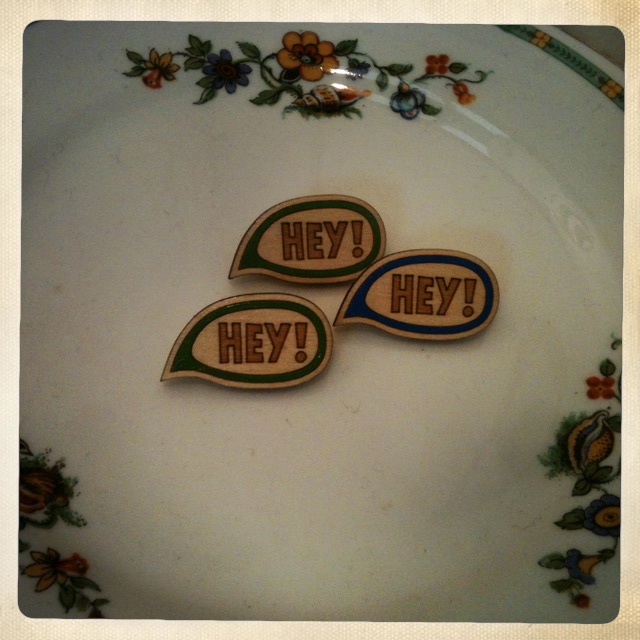
i may not be a trained dancer, but i love to dance, and these make me smile inside and out
BCTF 2014
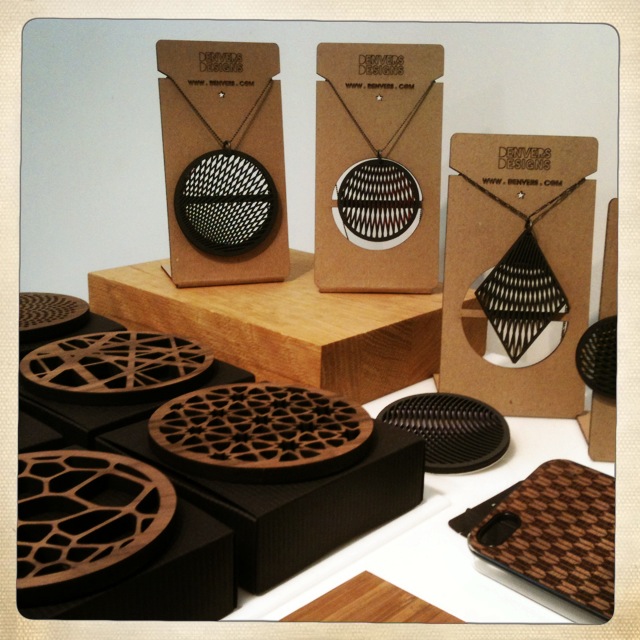
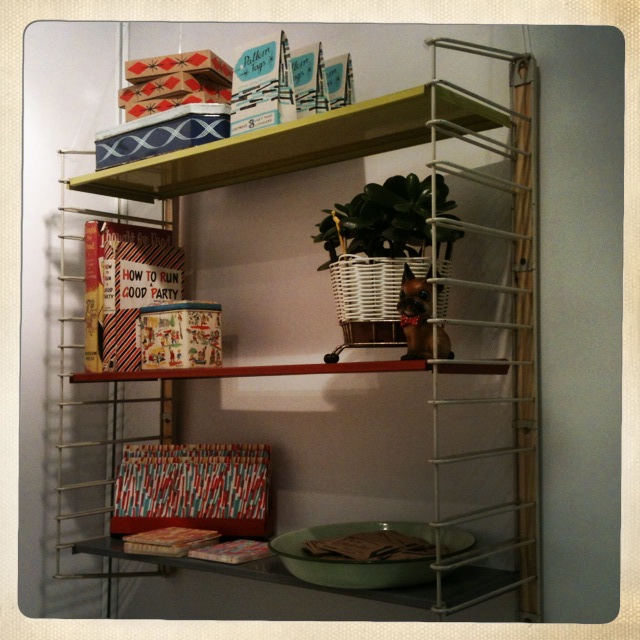

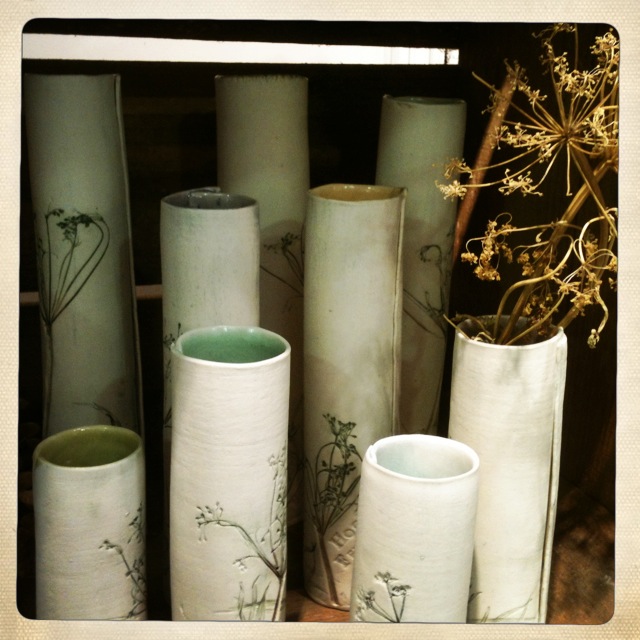


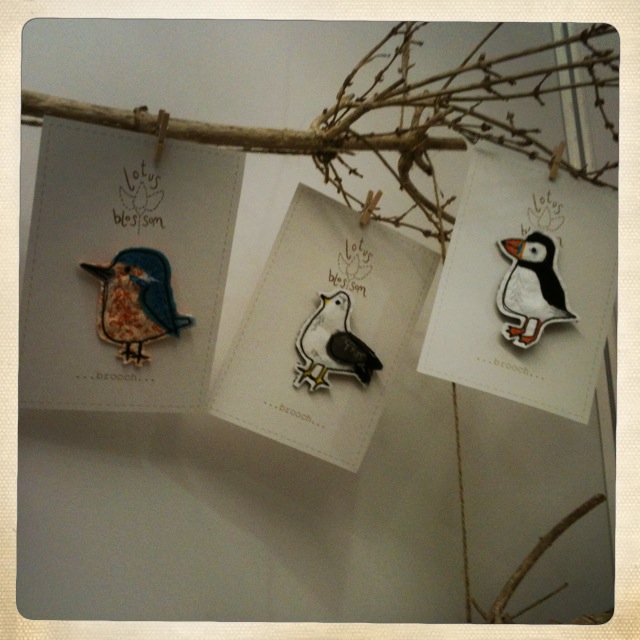
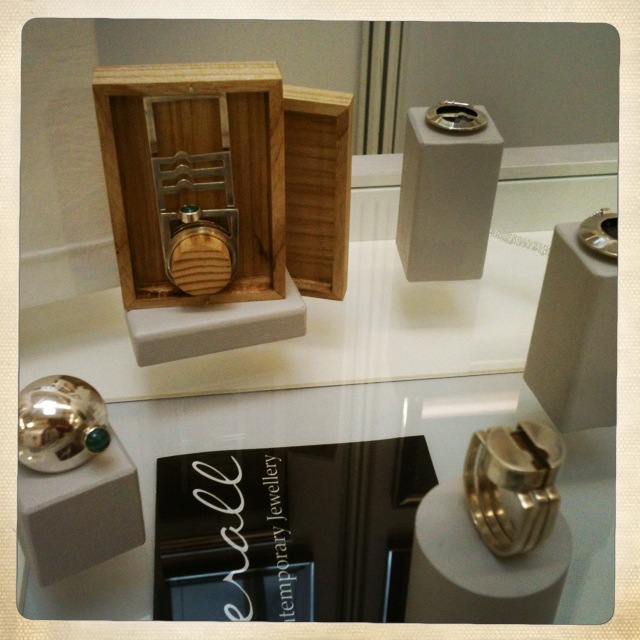
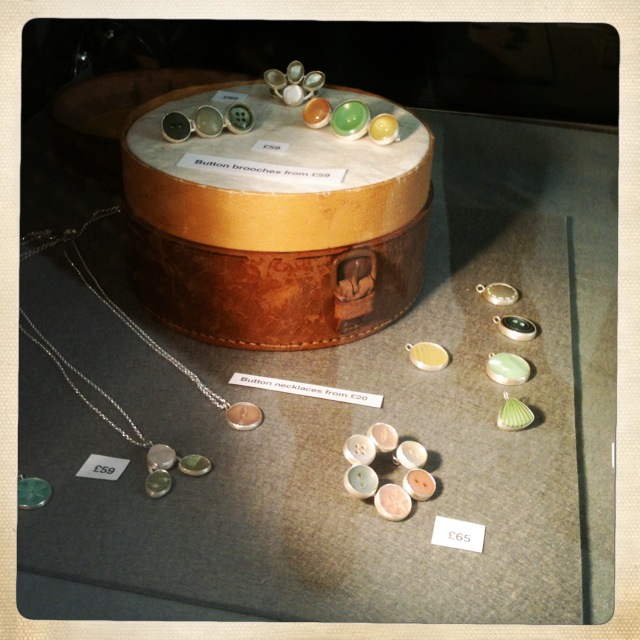
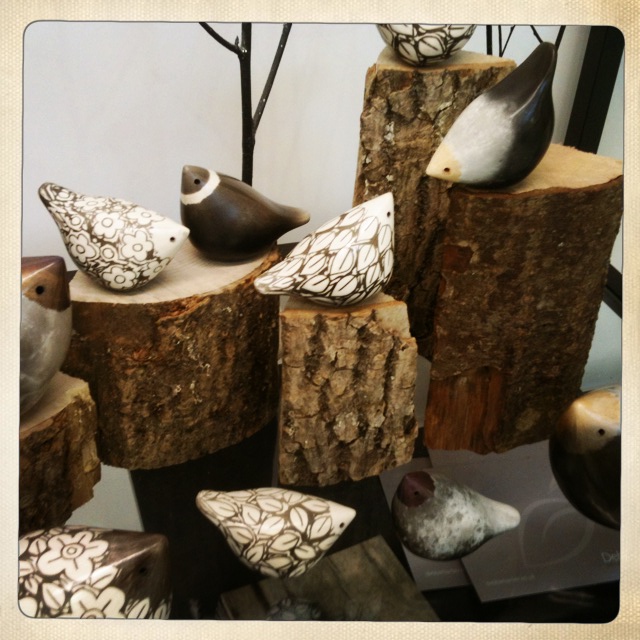
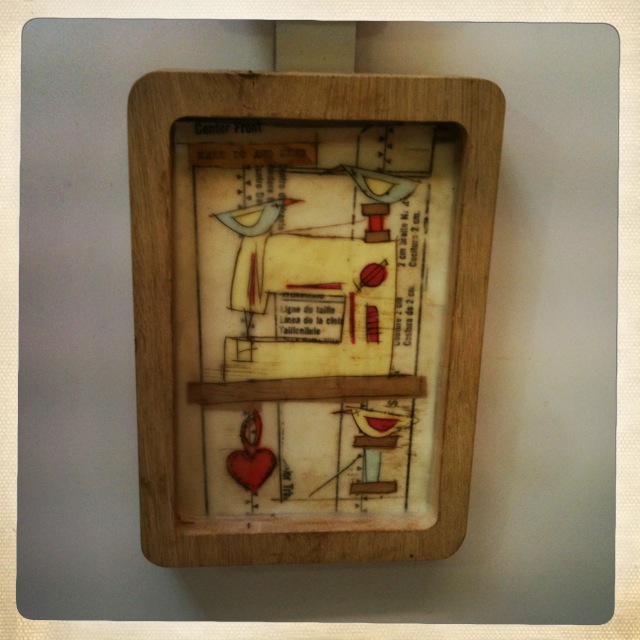
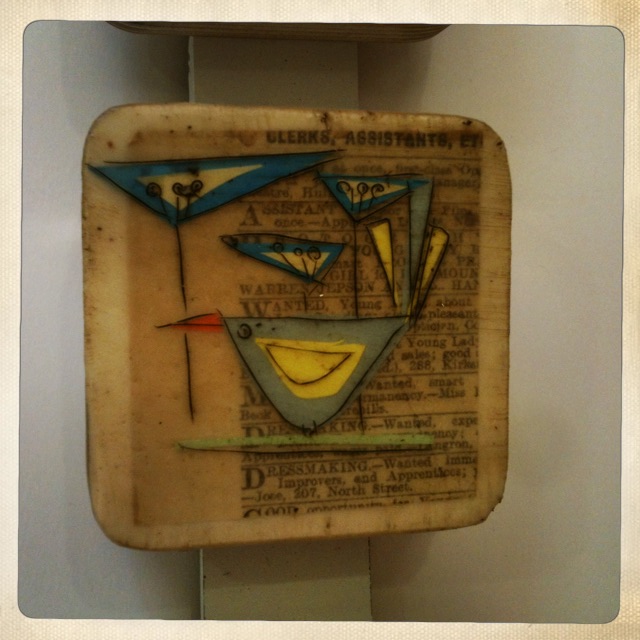


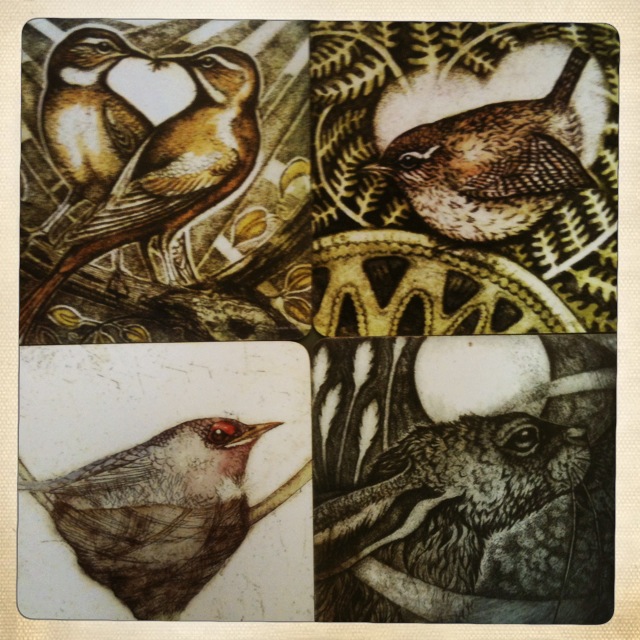


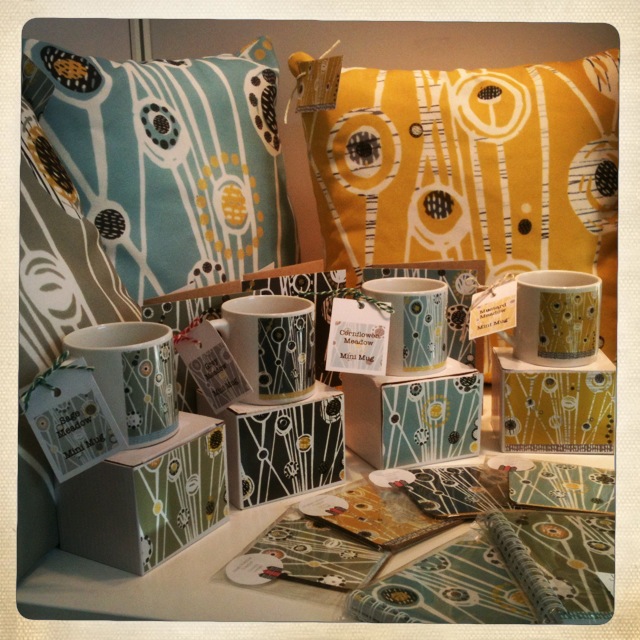
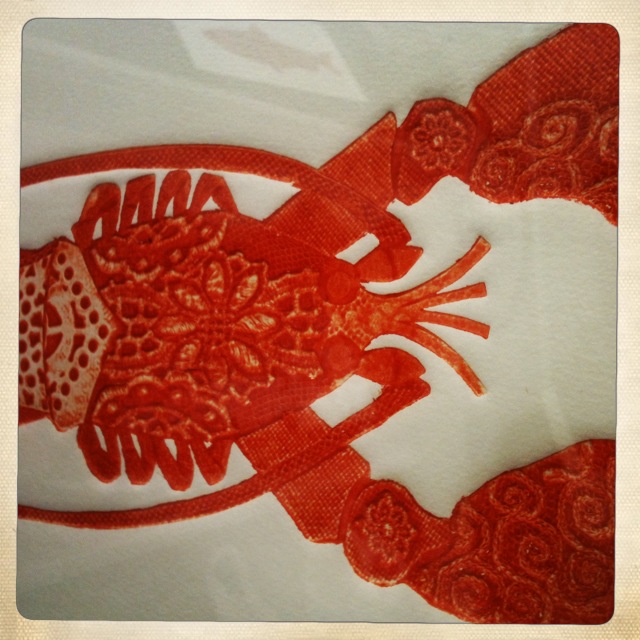


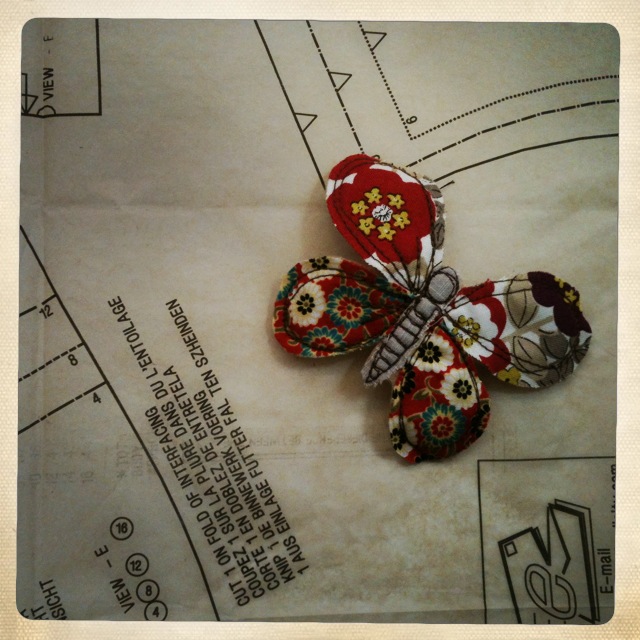
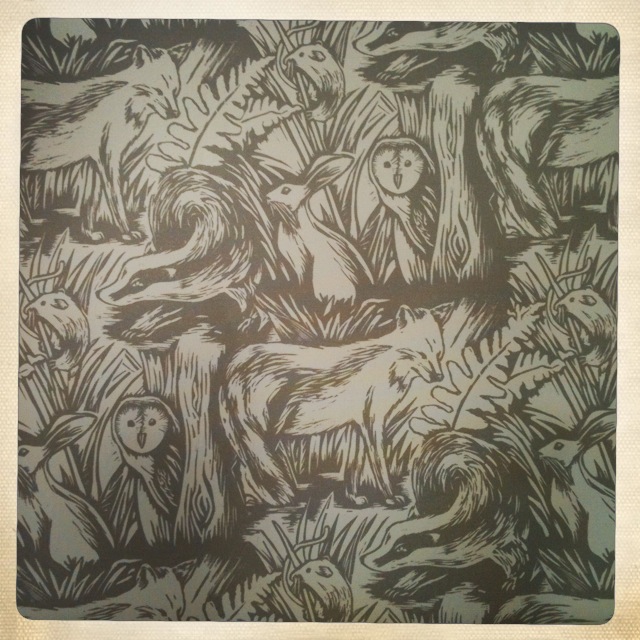
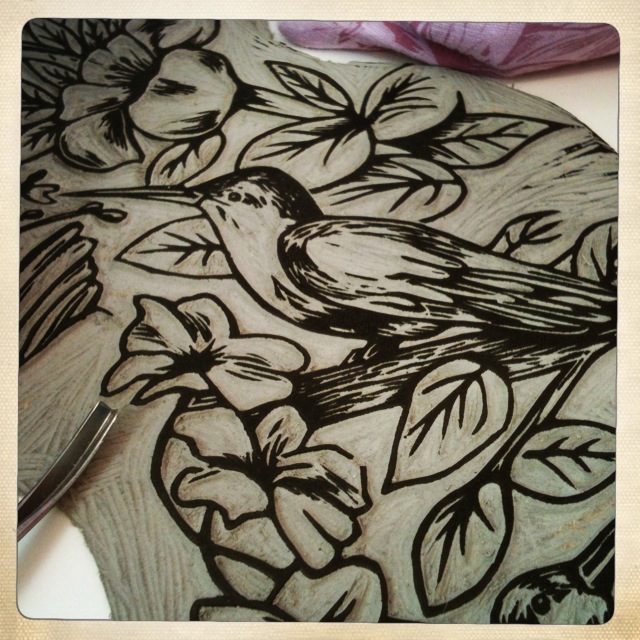


amanda cobbett
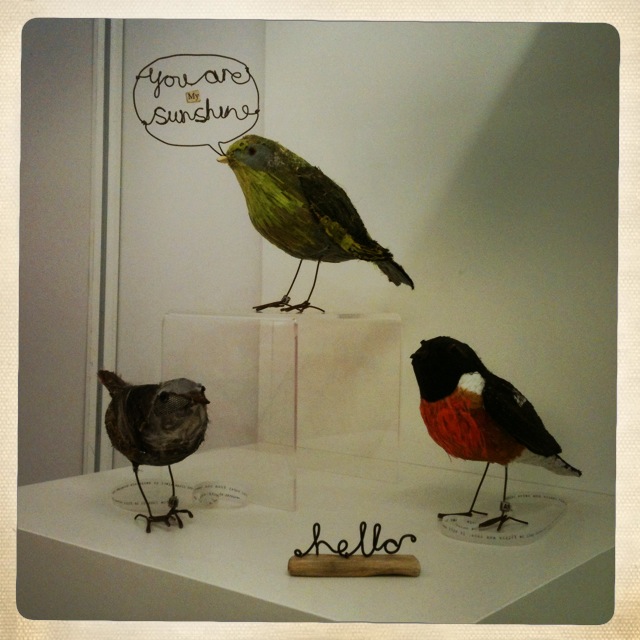
amanda cobbett
twiggd

petal anderson accessories

katie almond

katie almond

katie almond

katie almond
katie almond
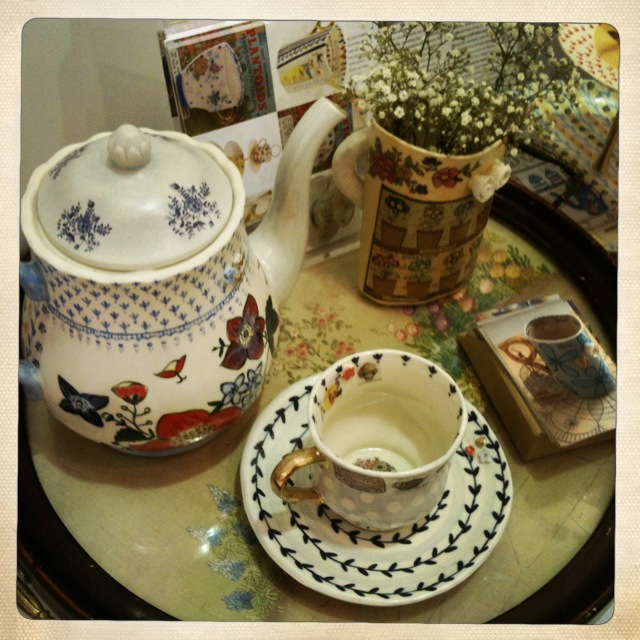
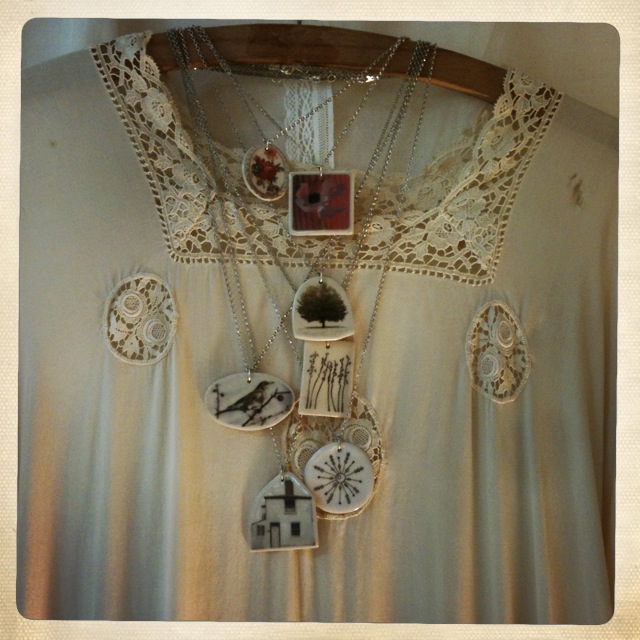
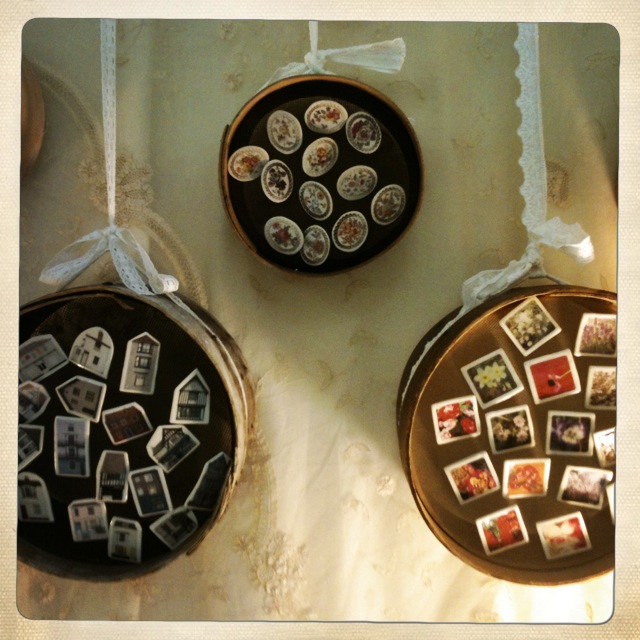
my British Craft Trade Fair stand 2014


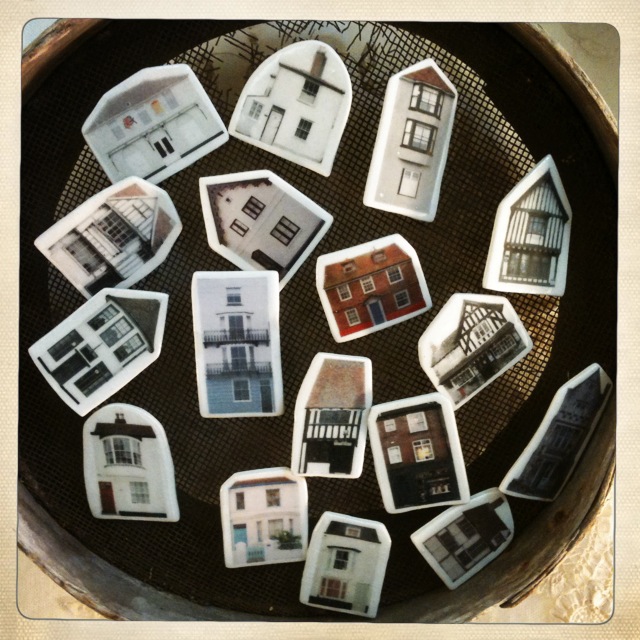
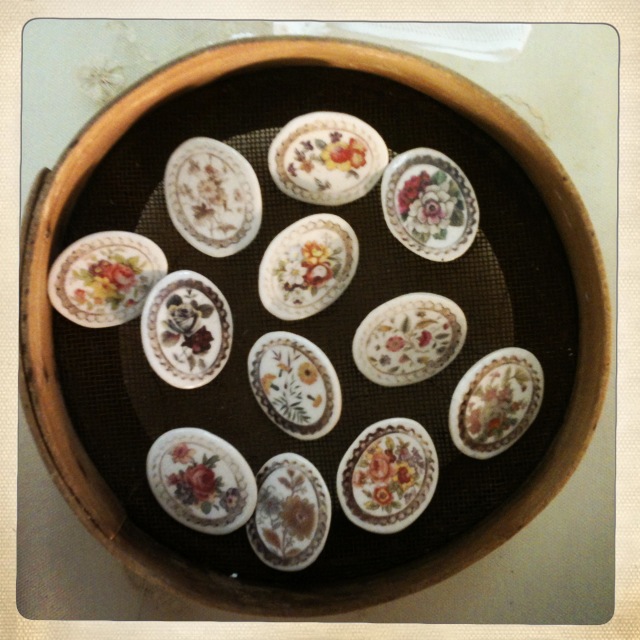

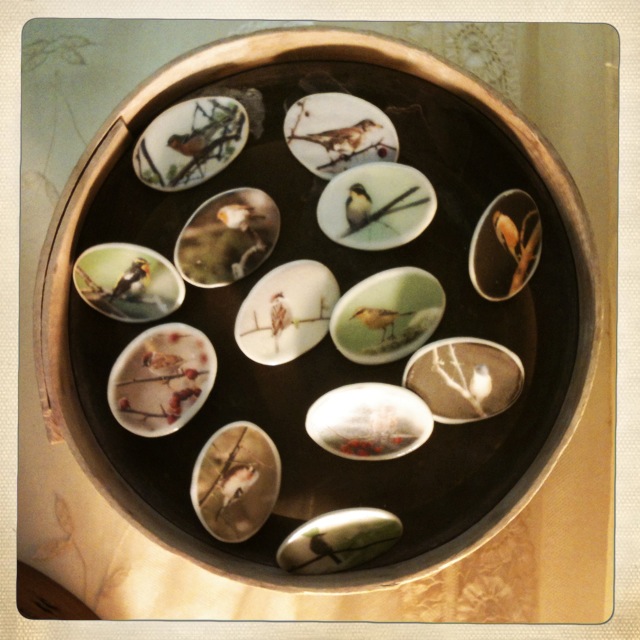
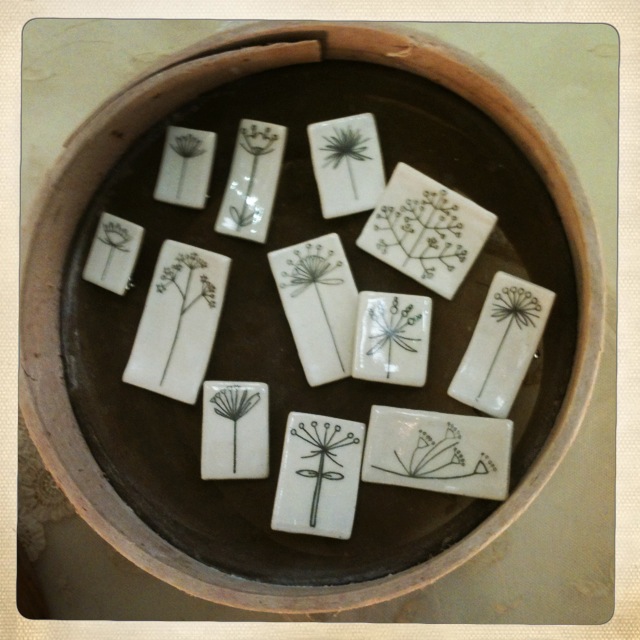




sourcing of materials
granite – paving slab bought as was, bought online
copper sheet – pre cut to size, bought online
solid wood – donation from a friend
hahnemule paper – print room margaret street
tracing paper – already had in my studio
wire mesh – came in one pre cut sheet, bought online
old pages – from an old gardening book i already had
sponge – came in 3 pieces, bought online
cardboard – good old amazon box
cork – use at work for printing
straws – use at work for 3D
mountcard – already had in my studio
aluminium sheet – came in one pre cut sheet, bought online
acetate – use at work
MDF – hardware store
glass sheet – gilberts glass, shirley (we use it for work)
skewers – supermarket
pipe cleaners – craft shop
perspex – came as 6 pieces, bought online
chipboard – came as part of packaging for aluminium sheet
veneer – precut to size, bought online
silk – already had as use at work
picture frame – charity shop find
knitted – local haberdashery shop
ceramic – already had in my studio
leather – already had as use at work
crochet – local haberdashery shop
beeswax – came as 6 pieces, bought online
decisions
i need to decide what it is i am trying to state with my practical work, i’m clear on where the research is going, but still finding it hard to summarise the practice.
the cubes are continuing, and whilst i am not quite hitting my personal target of one a day, i’m still hopeful i will get all 30 done by the deadline. i have 8 now i think (tracing paper, knitted, cardboard, granite, copper, wire mesh and ??), with a stack of materials waiting to make others.
the order has become clearer in my head, although i think that is something that will have to be personal for me as no one i asked agreed in any way.
the cubes came from the bauhaus ideas researched back in histories module. and i was searching for something involving getting my hands dirty. but i was not willing to be selective with the materials, particularly as my business practice is so specialist. i’m enjoying the challenge of working with the different materials but is that enough?
the cubes are all 10cm in an aim to find the “sweet spot” where something that is manageable whatever the materials is but still retains it’s inherent strength, which seems to be working effectively. some are fiddly but not unrealistic to achieve. there needs to be a certain amount of challenge even with the most basic, as not everyones basic is the same.
tutorial part 2 – 11.02.14
and now for a completely different angle –
following on from earlier tutorial we returned to the idea of instruction. instructions can vary from open ended almost vague, less prescriptive, free to interpretation to cumbersome, overcomplicated, generally confusing entities. could instructions become more vague as you go along – is this an element to focus on?or do things just become more intuitive? (book – the thinking hand Juhani Pallasmaa)
explore definition of visualising a cube
RiP ideas – create manual that goes from artificial construction to complete freedom – exploring through a cube what that could be
tracing paper————-> pile of objects tied with wire
let the instructions dictate the size. pick one standard size that becomes about how much is brain and how much is hand
order becomes about instructional manual
process becomes more interesting; how does the instruction relate
basically the Rip is going to work around the “instruction”. whilst creating my 30 cubes I will write the instructions, take photos, and hope they will be in the form that means people are able to ‘copy’. it is necessary to be quite specific – grade material, tools used, essential info in order to fully ascertain whether the instructions are effective. the instructions themselves will be inherently interesting and may become the most interesting element in the end.
stage 1 of the instructions will be viewed as simply making the cubes. stage 2 will then focus on surface and then stage 3 will focus in on colour.
the final set of 30 instructions will be a fine art concept , a design concept and a pedagogical concept all in one
need to add to each page ‘ any of these instructions are open to interpretation”
research language of instruction – look at how a designer, a sculptor, an architect, an art teacher would approach explaining the exact same task.
could move on to considering a memory that could be aded to the surface once creating these cubes has been conquered
finally, it is worth considering that the instructions in themselves will become a piece of art (may be nice to do some lino printing/letterpress to represent these)
finally, how can 30 instructions be a fine art concept?
consider semiotics – the study of signs and symbols and their use of interpretation.
language/vocabulary are key
this book will be a thing of beauty
tutorial part 1 – 11.02.14
first tutorial of the day results in the following points
– “how to” session
– how do people respond
– if pursuing the how to book idea it needs scaffolding behind it (e.g. reading & bibliography)
– consider haptics (refer back to session attended with the clayground collective)
– look at the teaching and learning around craft skills specifically
– reading – terrain i) educational aspect ii) ceramics disappearing from HE
– consider location for activity for RiP – flash shop/pop up shop/ church hall/party venue/TNAGW/leamington/walsall
most importantly i need to look at contemporary critique of linear teaching and to start linking my rationale and method
the final images – langton way (1983-1988)
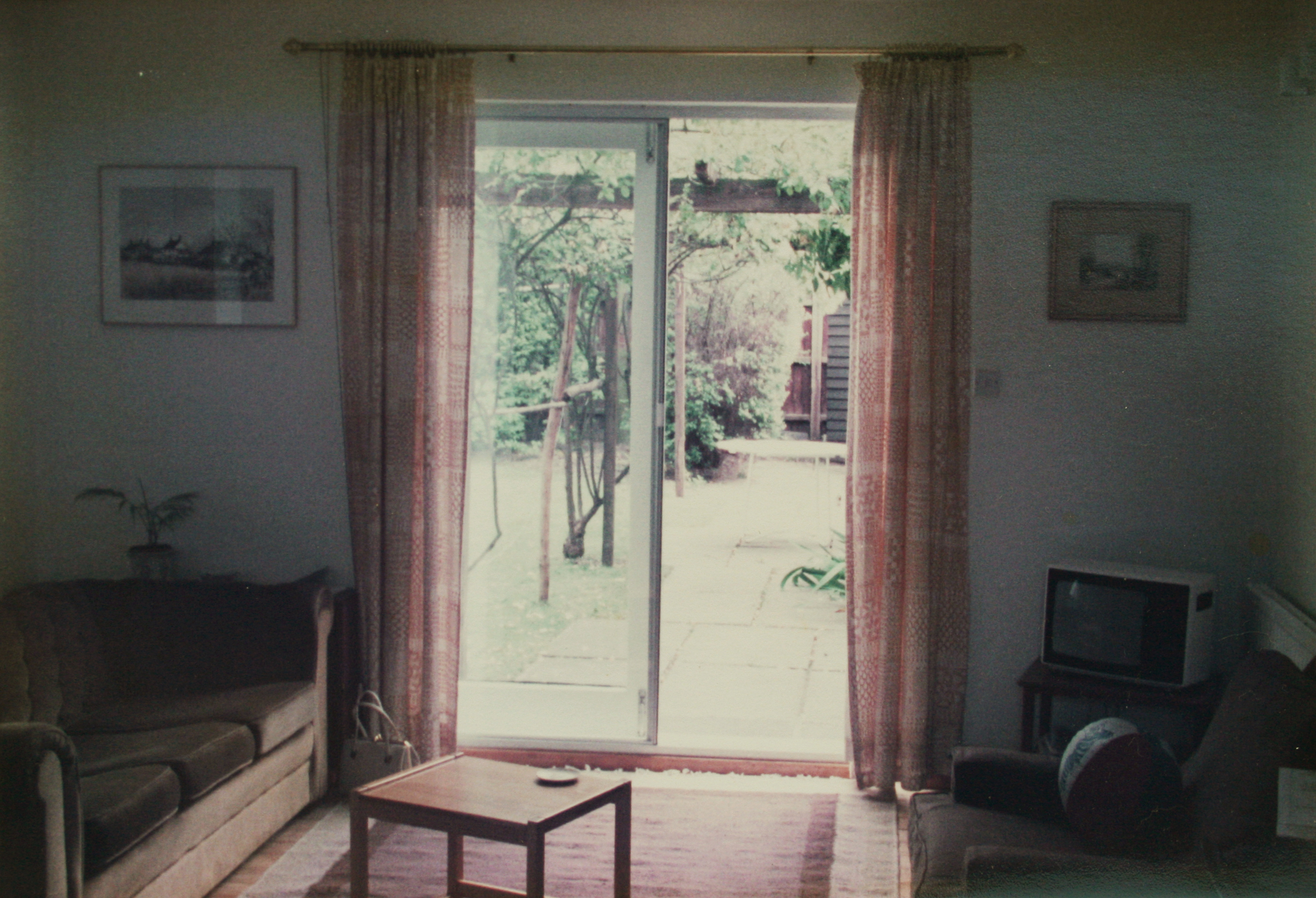
the final images – hastings (1986-2014)

 amosdenton