








narrative minimalism in ceramics
https://orlynezer.wordpress.com/2010/12/02/narative-minimalism-in-ceramics/


The unique contribution of ceramics to Minimalist art is demonstrated by Israeli ceramics artworks
Although Minimalism as an art movement prevailed for a brief period of time in the Sixties, it had a great influence on the art world. Forty years later Minimalism continues to appear in new forms in various media, including ceramics. In this article I will describe several Israeli ceramic artworks that express a contemporary version of Minimalism and I will try to illustrate the unique contribution of ceramics to this movement.
The Visual Minimum can be defined as a kind of perfection which an object acquires when it can no longer be improved by subtraction. It is the quality that an object has when each component, every detail, every connection has been reduced or compressed to the essential.
Minimalism, however, is a movement in art. Pure Minimalism existed for a brief period of time from 1960-1967. It appeared in the U.S. as a reaction to Abstract Expressionism (see works by Jackson Pollock) that focused on the artists gesture and personality. Minimalist sculpture moved away from figurative representation, rejected any symbolic interpretation and aspired to affect the viewer through its presence. Minimalist sculpture is integral to the space in which it is presented, and therefore it is referred to as site specific (See works by artists Sol Lewitt, Carl Andre and Donald Judd). The interest of the artists was in the “pure shape” and not in the contents. The demand was for material that would impose no limits on the final outcome; hence iron and wood were preferred. A demanding material such as clay, that imposes its physical and chemical attributes, had no place in pure Minimalism .The rigid rules of minimalism, which emphasized surface, shape and mass, were in sharp contrast with ceramic work that values hand-work and the search for unique color and texture.
Following pure Minimalism were the Post Minimalists, who were active in the late Sixties and through most of the Seventies. The principle of reduction that characterized Minimalism was expanded and deepened, and new materials and their use were explored (see works by artists Robert Morris, Eva Hesse, Richard Serra). Repetition and rigid geometry were abandoned in favor of personal touch and autobiographical expression. It is not surprising that at this the time ceramics found a voice in this sphere. John Mason is an example of a ceramic artist who made a sharp transition from Abstract Expressionism (he was part of the Peter Voulkos group) to Post-Minimalism. In the series “Hudson River” dated 1978 Mason used industrial bricks, identical objects in an array based on monotonous repetition. This concept was a breakthrough for ceramics moving away from the fundamental idea of pottery being centered, focused and a form of personal expression towards the construction of an arrangement where each element is of equal importance(de Waal, 2003, pp. 184).
When examining work made by ceramic artists such as Wouter Dam, Martin Smith and Geert Lap one is faced with the paradox of minimalist ceramics. While Pure Minimalism has criticized expressions of creativity and the artist’s virtuosity, ceramic artworks that are identified with Minimalism are a product of impeccable technical ability. The question that interests me and I am about to examine is what is in the clay that brings an added value to the world of Minimalism?
Clay, when compared to iron and wood, is inefficient in conveying indifference. Ceramic art, pure in form and exclusive of fingerprints, will still have the inherent depth of the material itself. If so, what contribution can clay have to an artwork that is founded on the ideology of the Minimalist restraint? The examination of ceramic works by artists associated with Post-Minimalism leads to a conclusion that ceramics, even without the intention of the artist, will always make reference to the human body (see the work of Felicity Ayleff shown in the exhibition “Sense and Perception” , 2001 Manchester Art Gallery).
Updated elements of Minimalist principles are expressed by several Israeli ceramic artists who have adopted the mannerisms of restraint and restrictions, while integrating narrative elements. Theorist Gilad Meltzer recognized the return to the principles of Minimalism and Post Minimalism of Israeli artists (see Exhibition catalog “Flat”, Bezalel Gallery Tel Aviv 2007) in the mid-nineties and named it Neo-Post-Minimalism, in which autobiographical elements and personal touch adds a new twist to narrative form.
In 2005 ceramic artist Ronit Zor presented an installation of monochromatic geometric shapes constructed from parallel flat slabs. Although the shapes are restrained, the surfaces have fingerprints made by the artist when building the piece and show the evidence of the material limitations which has a tendency to bend in the firing process. The uniformity of the color is broken by the richness inherent in the material. The shape of the objects reminds at the same time the industrial H beam and aqueducts (see Post-Minimal artists Robert Morris L beam installations). Although each segment was relatively small (25X8X8cm), the multiplicity of objects and the way they were arranged in the space creates a scale larger than the human body (340X280X72 cm). The clay in this work conveys the unique character of the material and its close ties with the people and culture of the region.
In the same exhibition, ceramic artist Marcelle Klein exhibited a white, monochromatic installation in a corner of the museum. The hand-made paperclay shelves were systematically arranged in layers and hung on the wall. The individual units cannot be defined as “restrained” or characterized by formal geometry. The restrained characterization of Minimalism is in the entire installation, where Klein hung the shelves in a measured and systematic manner. By installing the work in the corner, the artist bridges the gap between two and three dimensions. The sculpted sheets protruding from the flat walls create a third dimension. A corner installation, by nature, takes into account the architectural specifications of the room and significantly alters the organization of space. The clay broadens the interpretation of the work and adds organic resonance associated to geology and nature, i.e. adds the story of erosion.
Anat Barel is another artist that focuses on the reduction of shape. In 1995 Barel presented a series of objects called “Slice of Llight”. The elements were white, three-dimensional geometric structures pierced by a cut which was colored. Barel focuses on the shape and generally neutralizes the traces of her touch. Once again these geometric objects and the ceramic material lead one to consider the cultural context. One of the elements in “Slice of Light” is a thick sliced box (23X18X16 cm), the inside walls painted light blue. A fairly simple object, which demonstrates the special energy that clay can generate, different from other materials. In addition, the seemingly simple ceramic structure reminds one of the strong connections between pottery and architecture, namely houses from clay (adobe). Those houses hold information disguised by the meticulous working and polishing of the material that at the same time exposes the existence of the human touch.
In all the artworks that I have mentioned, the clay has added the narrative aspect due to its special character, nature and historical significance. The works examine issues of form and volume which retain a basic geometric shape with clean lines and precise surfaces, but at the same time add a discussion about the limitations of formality, the mediums materiality and its historical baggage. By doing so, they expose the artworks inability to refrain from the narrative.
Bibliography
De Waal, Edmund, 2003, , 20th Century Ceramics, Thames & Hudson world of art.
Del Vecchio, Mark, 2001, Postmodern Ceramics, Thames & Hudson, London.
Maiden Emma, Felicity Aylef, Catalog from the exhibition Sense and Perception, 2001, Manchester Art Gallery
Meltzer, Gilad, 2007, The face of things, from the exhibition catalog “Flat”, Bezalel Gallery, Tel Aviv.
Welch, Adam. Minimalism and Ceramics – The Sculptural Perplex of Brian Harper, Ceramics: Art and Perception Volume No 2006 . 63 pp. 53-57
John Hiigli contd
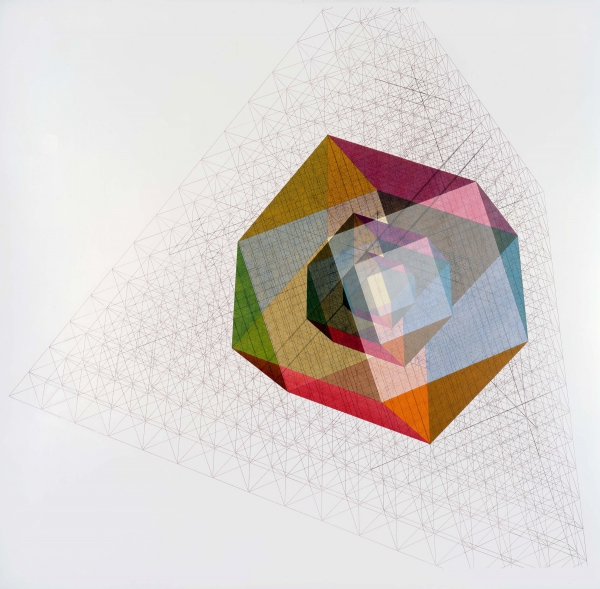
corbusier – shape of forms

Robert Morris
Box with the Sound of its own Making
Robert Morris constructed Box with the Sound of Its Own Making in January 1961 in New York City. The box consists of six pieces of nutwood that were joined to form an enclosed cube. The noises of carpentry that were produced during the some three hours of work with hammer and saw were recorded on tape. A small loudspeaker inside the box plays back those sounds, acoustically re-enacting the making of the object. In Morris’s artistic circle, the Box was also regarded as a type of musical performance. John Cage, for example, while visiting Morris’s studio, treated the work like a private concert, sitting down in front of the box and listening to the entire duration of the tape. Eluding any attempt at clear classification, Box with the Sound of Its Own making highlights the relationships between sculpture and music, visual and acoustic perception, and process and object.
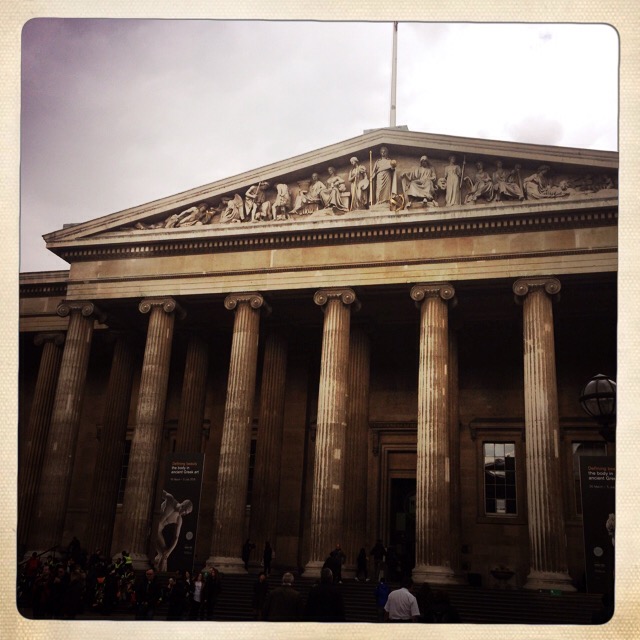
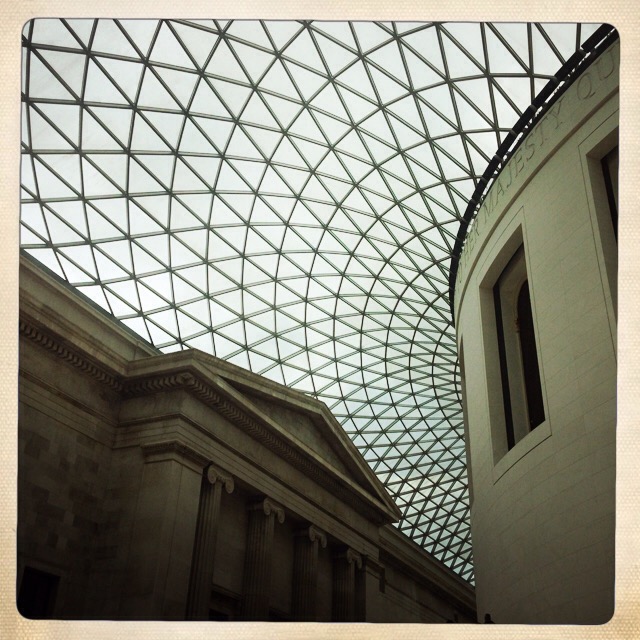
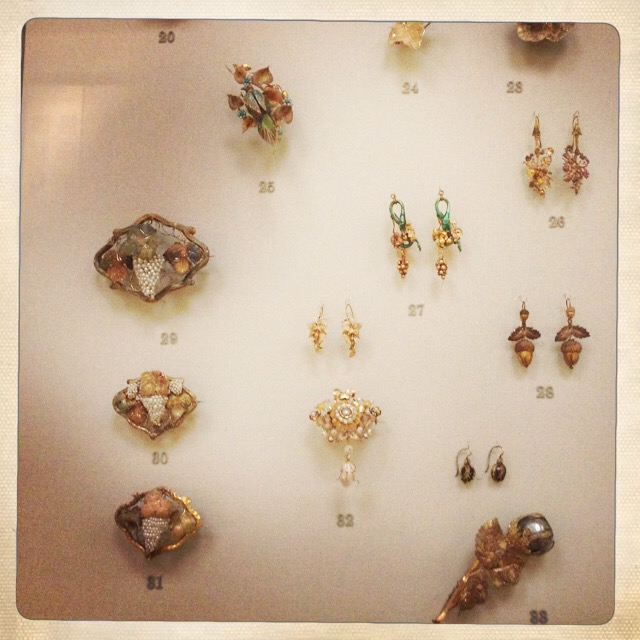
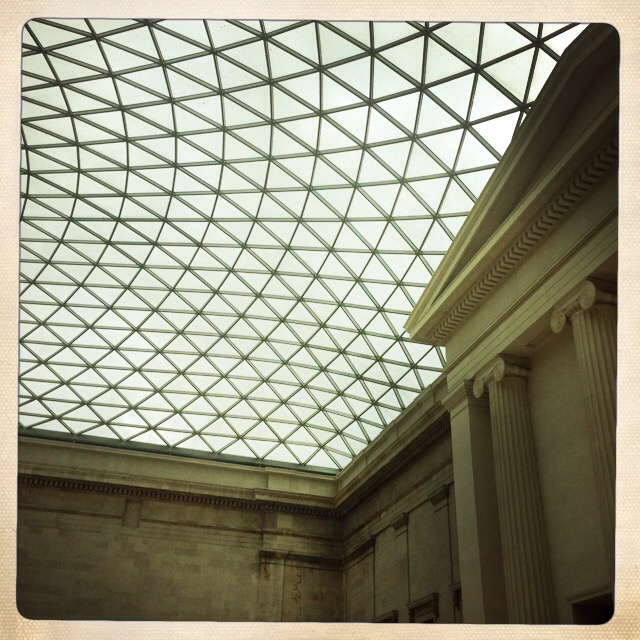
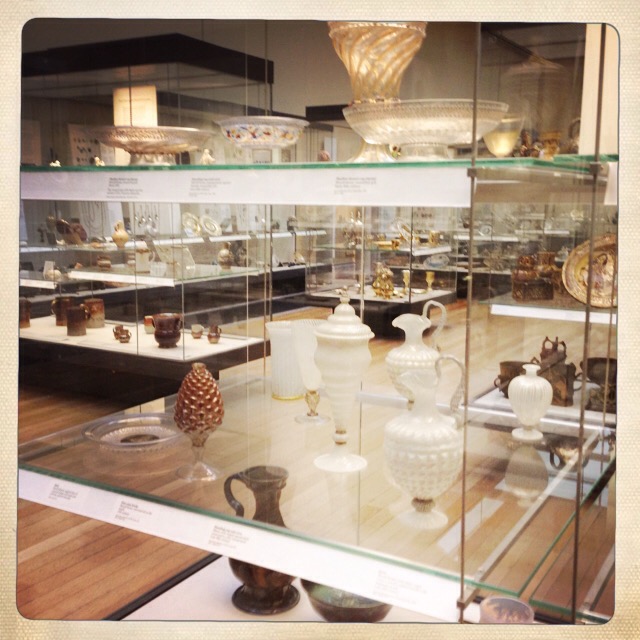
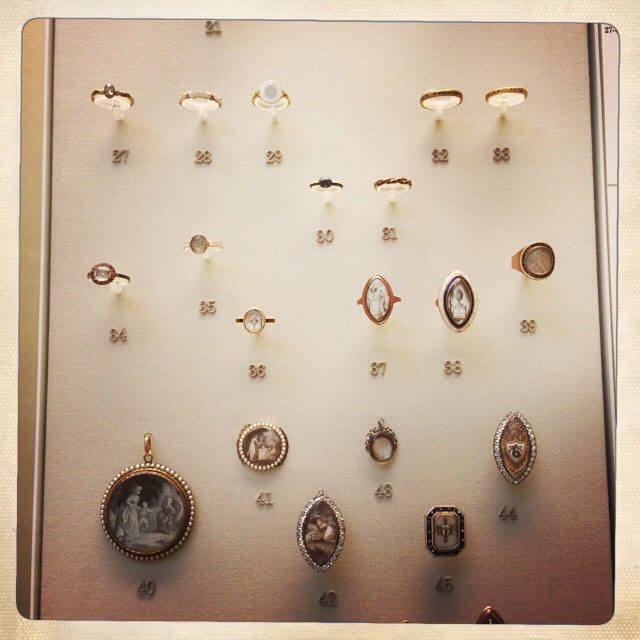
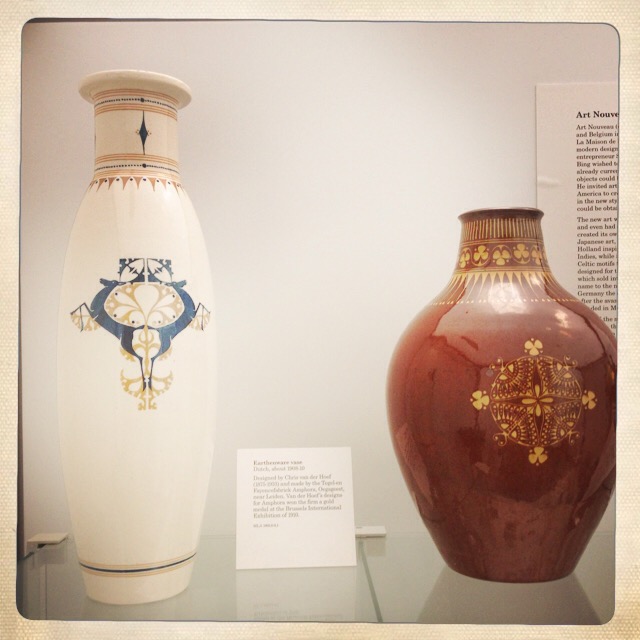
Contemporary Ceramics & British Museum













wildflower
just in case i should forget……….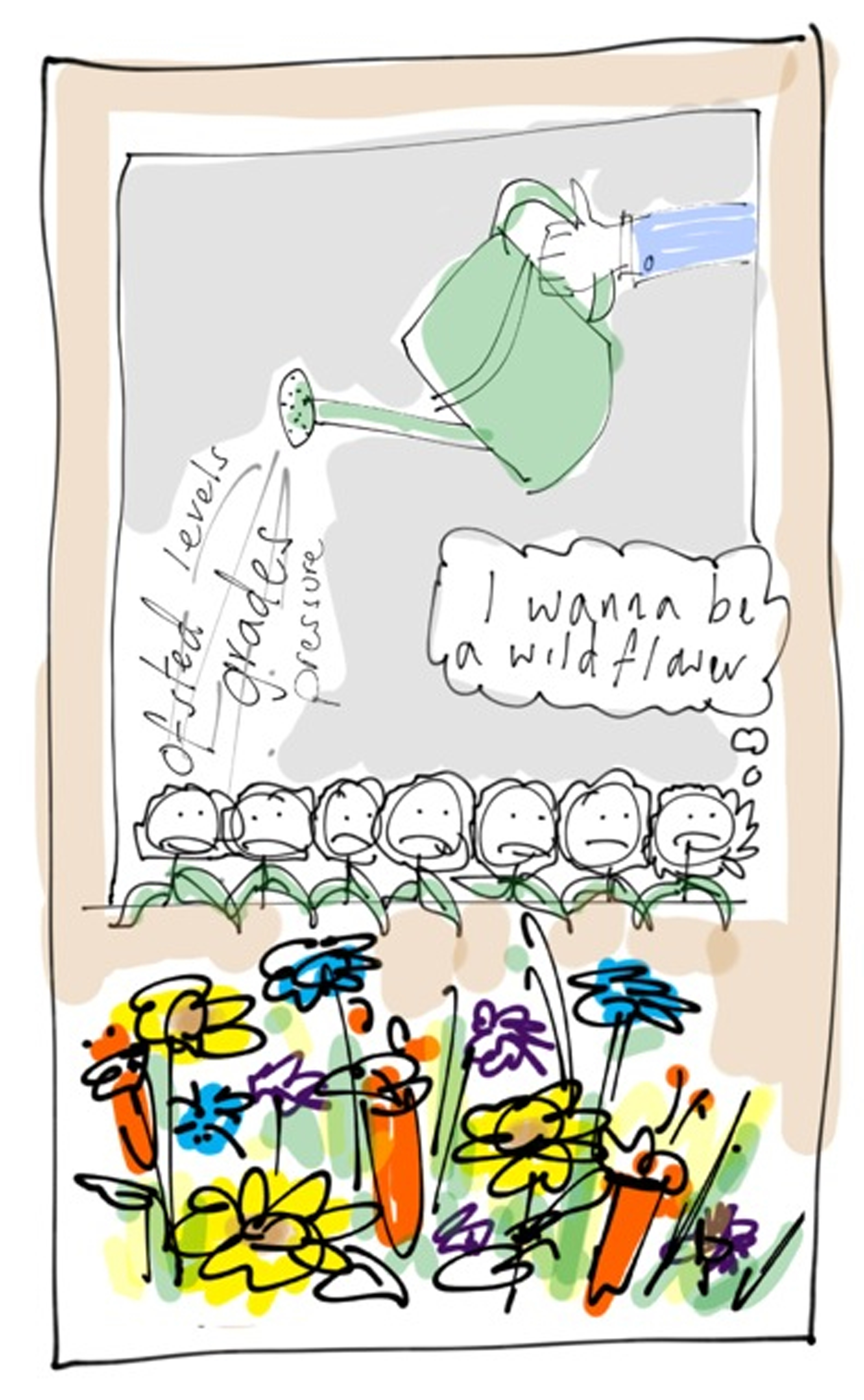
what i need to do …
possibly these can be applied to both my art practice and my teaching
- become the umbrella for the region to make the different phases interact
- become the connector of FE to primary
- become a school governor
- think bigger
- think bolder
- take risks
- do a whole day led by me for staff development
- initiate weekly ‘talk’ sessions
- don’t wait for the opportunity to come to me
- add ‘colour’ [to life, to my work]
- teach a bunch of lessons as a large group of staff
watch this space…………

grass roots symposium
in august last year i exhibited my work. at the time i had such an overwhelming response that i wanted to just absorb the amazing feelings it gave me. sadly, life took over and i forgot to record how i felt at that time.
so i vowed not to let this happen again.
today i attended the ‘from the grass roots’ symposium: Emerging strategies for Art & Design Education Symposium at margaret street bcu. the idea was to consider four key questions
• What are the challenges and opportunities art educators in the region are facing at grassroots level?
• How can curriculum structures effectively support the inclusion of contemporary and digital art practices?
• How can we effectively assess & celebrate young people’s learning in a way that has meaning for them?
• What would a joined up approach to Art & Design education in Birmingham look like?
we split into groups and worked through various processes to try to answer the questions. my group considered the last question. we decided it came down to time; time to connect with people within our schools, across other schools, across other learning levels, to connect the dots in every which way possible. we need joined up thinking. my table included artists, a BA tutor, a BA student, a NQT trainer, a support worker for an excluded unit amongst others. it was funny how we all came to the same thoughts and conclusions. lots to think about.
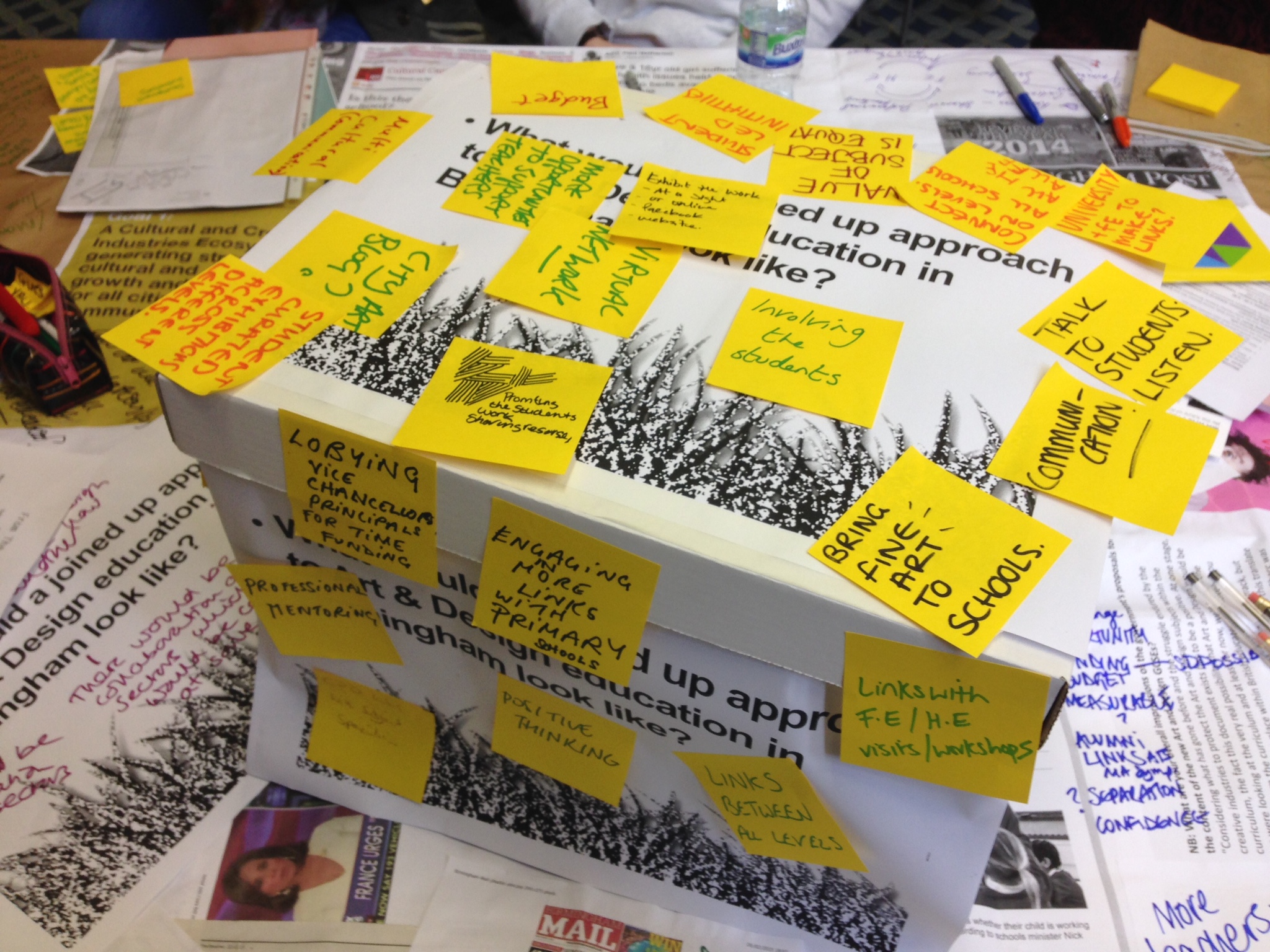
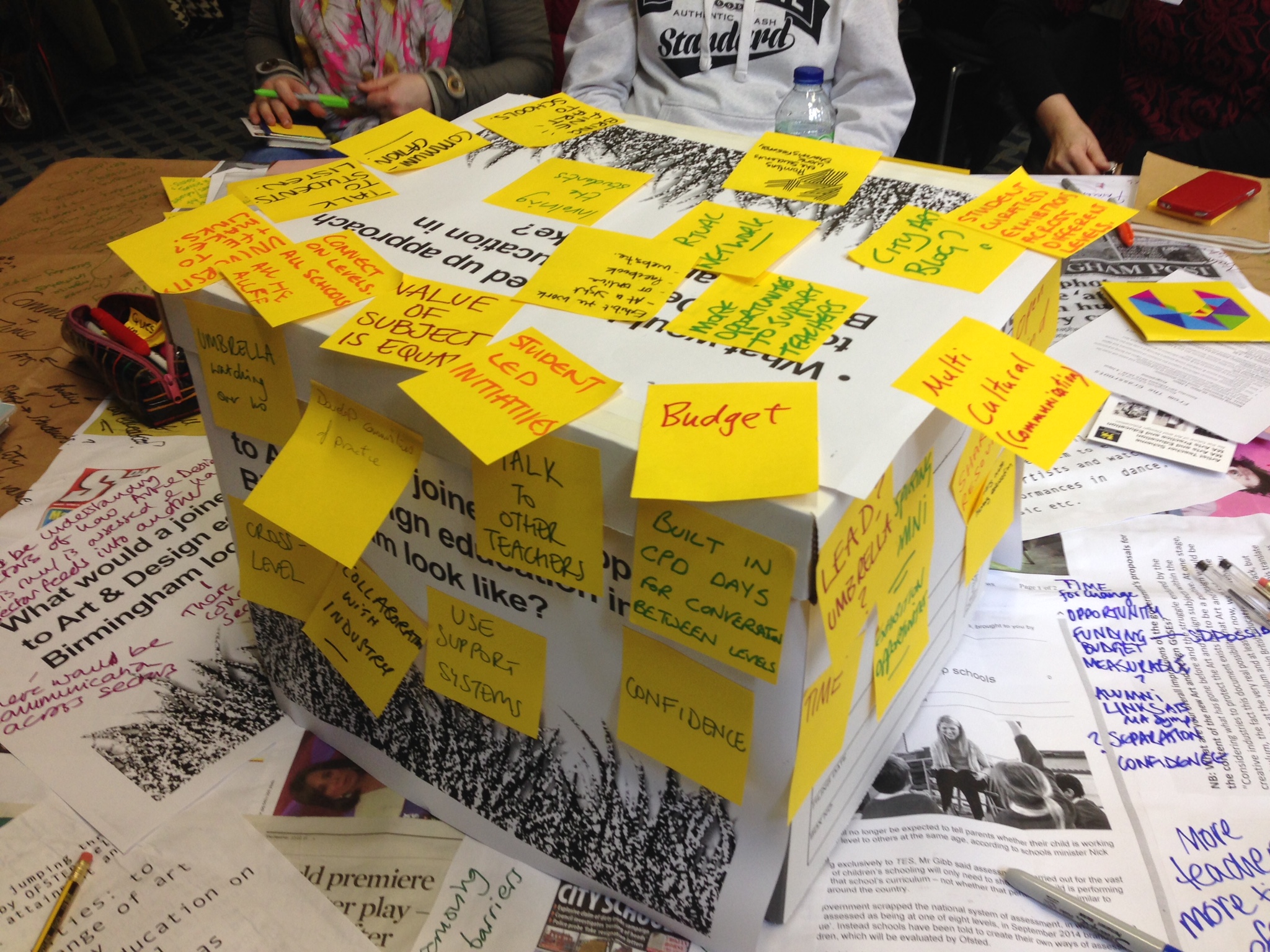
in the afternoon there were 10 minute presentations from 7 different people, including me. the audience had to pick who they wanted to listen to. i was billed as ‘installing a classroom inside a classroom. exploring a different kind of learning space.’
this is not quite how i see my cube, but i understand why carol felt this is what i should talk about this aspect. i had a prepared script and photos, but overall it didn’t quite go to plan. not actually a problem, i think nerves prevented me from speaking eloquently, but there you go.
anyway, the point is about what happened the rest of the afternoon.
to say i feel inspired is an understatement; the speakers we had were fascinating.
first up was chris francis from st peters school in bournemouth
http://st-peters.bournemouth.sch.uk/photo/
an illustrator by trade who is now a senior leader within a secondary school responsible for art and photography, chris simply talked us through his approach to the classroom. to say that he rethinks the space constantly undervalues the impact he has. the way he speaks about his students is which such high regard and fascination it was impressive. chris writes a blog about the projects they work on, about the mischief they create, the classroom that is constantly adapting and the impact its having on all of them. some of the projects done include ‘photographing a lie’, create a portrait of a stranger, take your own life as your inspiration. he says to not borrow ideas easily as this compromises opportunities to discover by accident; to experiment for ourselves. he instills creating gaps for students to think deeply, play and practice, struggle and persist, and observe.
utterly brilliant teacher. we should all strive to follow his example. i will be following his blog avidly from now on.
the other speakers were very interesting, also giving me food for thought, but i believe this will keep me thinking for days and days.
ever so slightly stuck
i’m stuck in this weird limbo land whereby i think i know what i want to do for my final show, but i don’t have the studio space to create it. i’ll have to wait until i can access the studio for the show, but i run the risk of it not working, again. it seems like such a waste to not use my time now to get this made. i can plan and plan but for what end?
i have a tutorial in a couple of weeks with a visiting artist but i’m not convinced it will achieve much as i’m pretty set on what i want to achieve.
It needs to have the social interaction/practice. it needs to reflect the cube in some way. it needs to represent a classroom in some way.
i’m happy to just carry on working through my sketchbook but i doubt that will result in any major change. maybe a maquette is the way forward.
i guess there is still some narrowing down of idea and resolution of what materials to work with that needs sorting.
i need to carry on thinking i guess.
 amosdenton