
by breathing hard enough you will make the world ripple
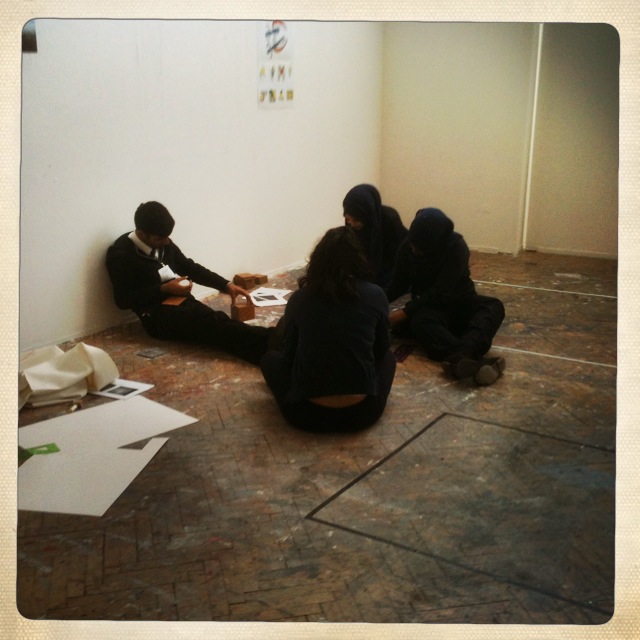
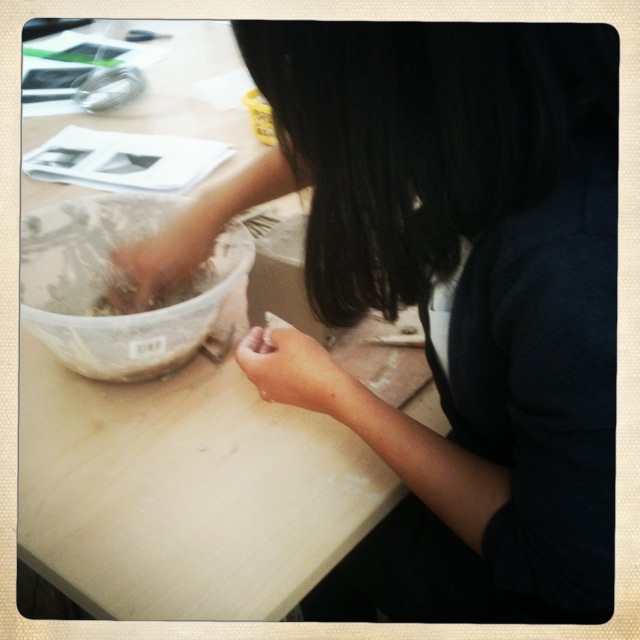
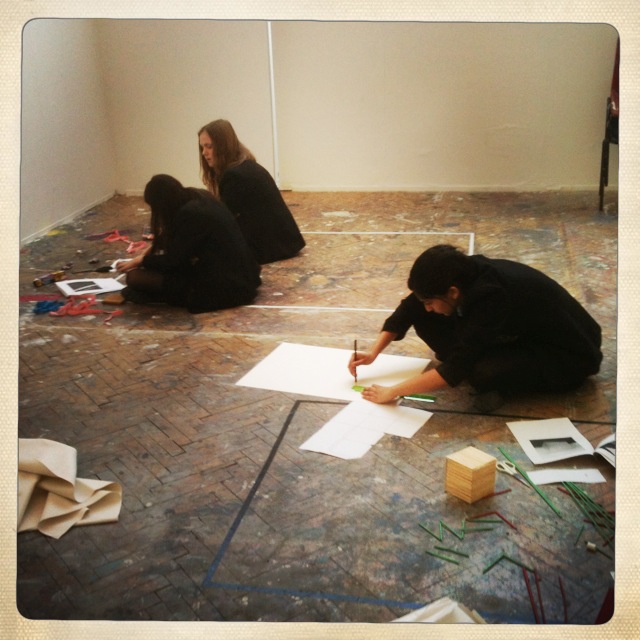
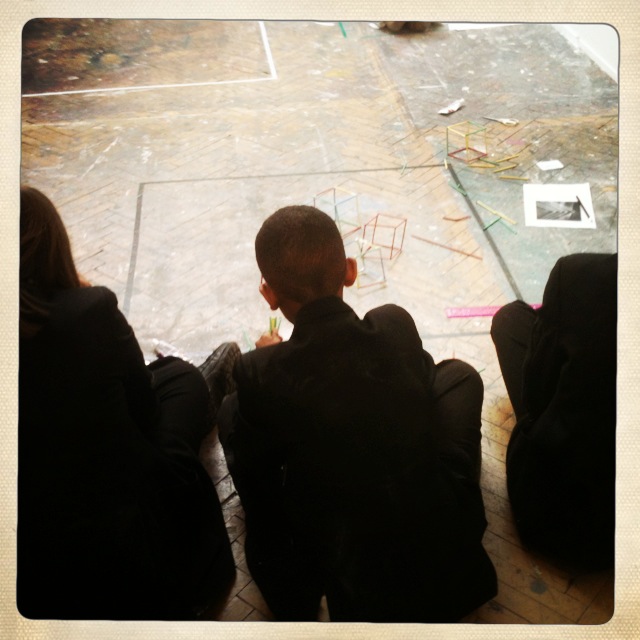
schools workshops 2014
in conjunction with BCU


AP2 life lies
by making the dream a reality, you will feel fulfilled
by doing something you love, you will become happy
by telling a story, you will become interesting
by looking through the window, you will see the view
by looking at old photos, you will remember the moment
you will have more than one brilliant idea
by breathing hard enough, you will make the world ripple
end of year show
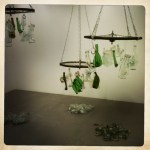
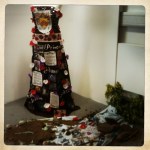
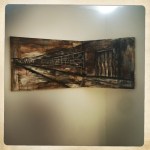
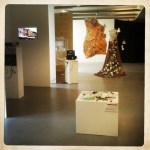

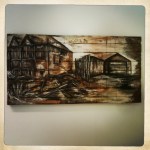
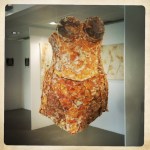
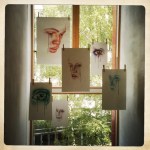
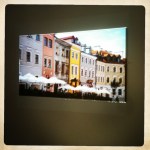
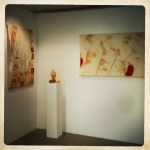

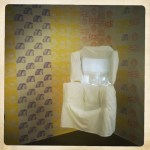
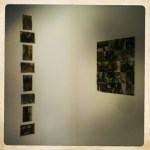
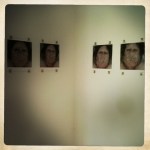
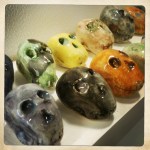
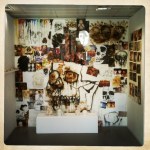
group crit

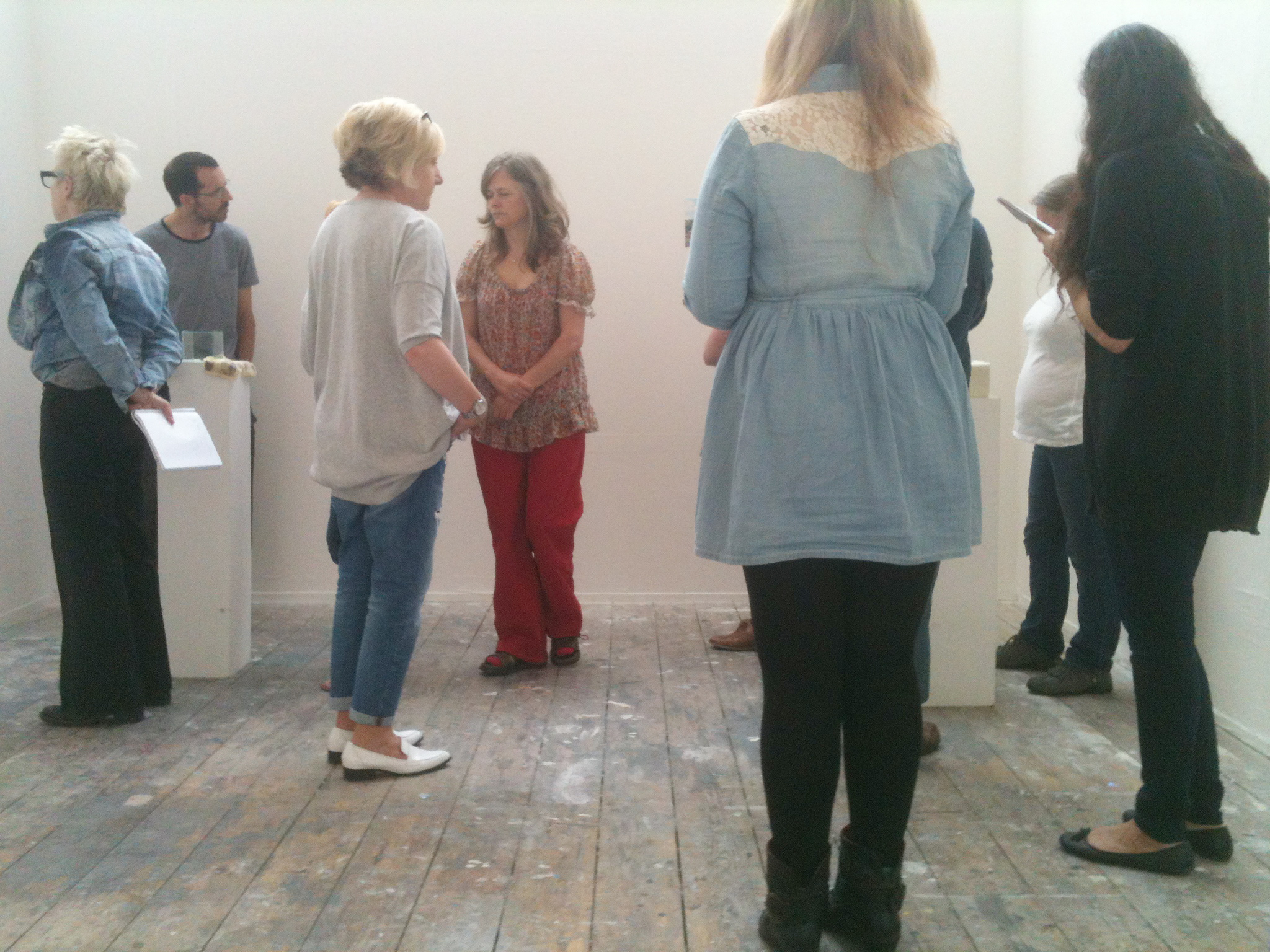



 comments made by the group from observation of my work:
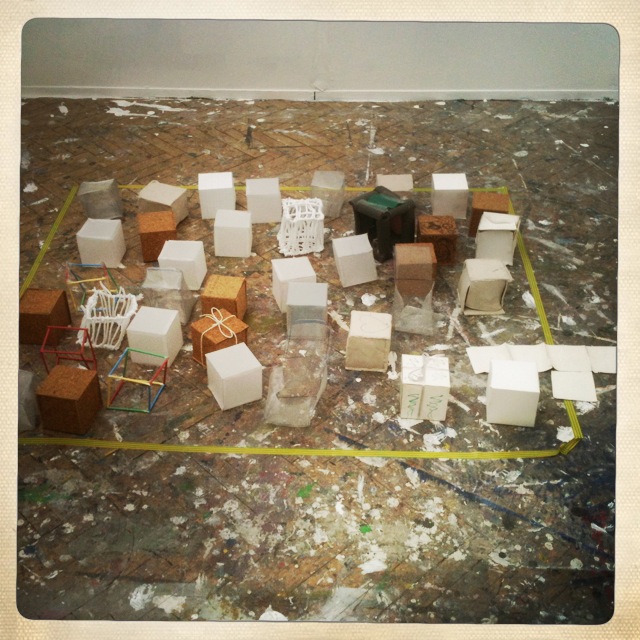
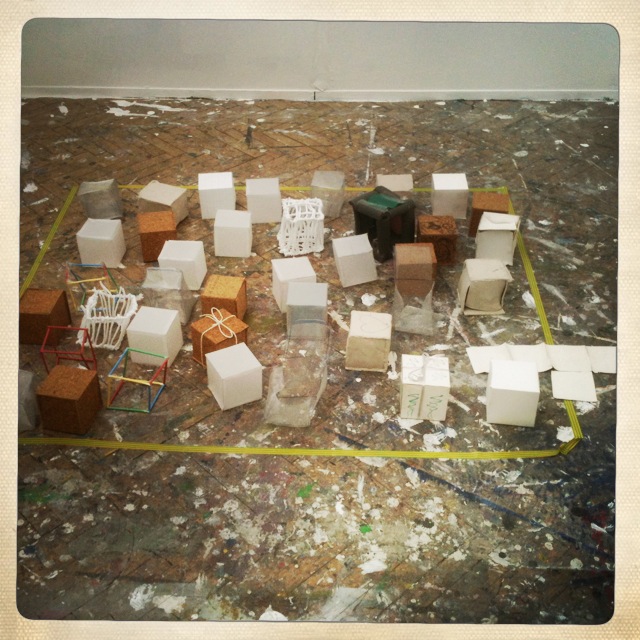
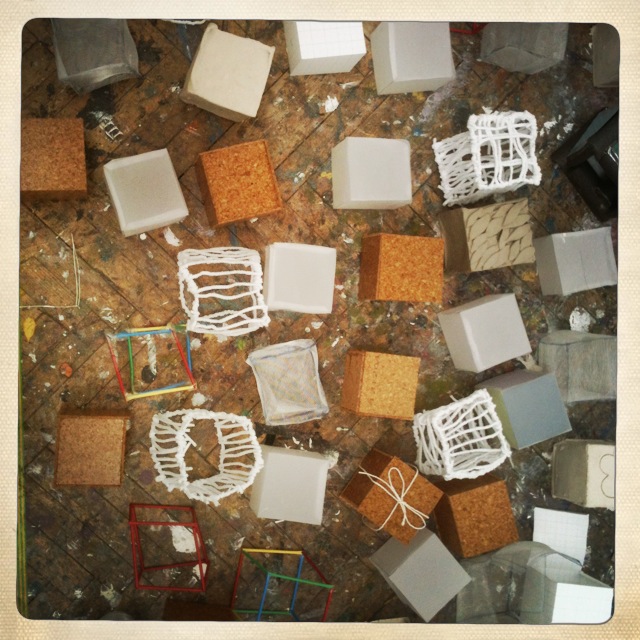
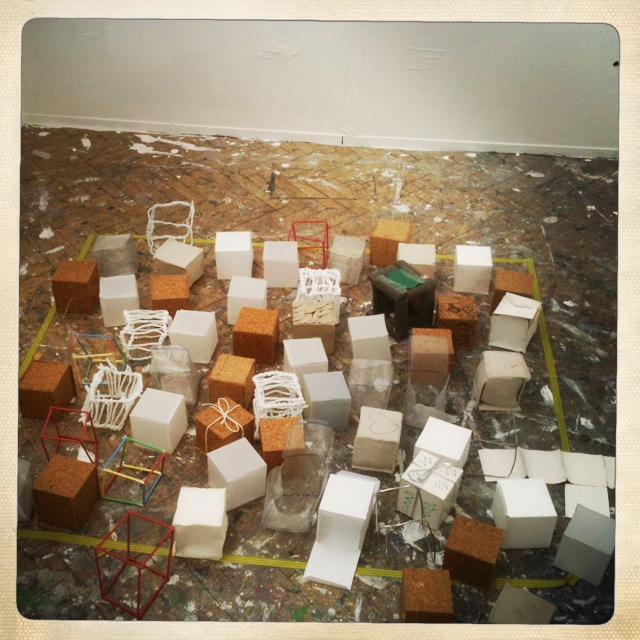
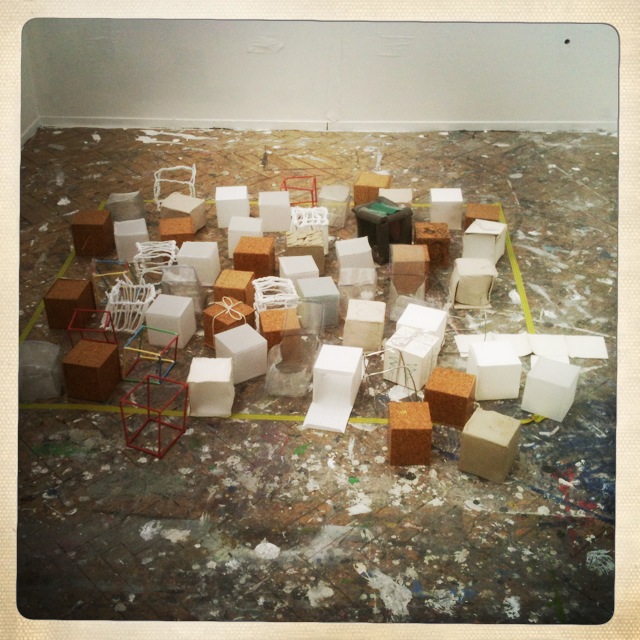
all different cubes in all different environments
materiality
glass cube = curious
groups is variety?
glass changes/cpatures a view
copper on plinth more limited than copper in flowers
jospeh beuys – narrative thru material
glass cube – going on tour, to places important to me
glass cube – reflects back/disappears/enclosure
window frame – all photos
forlorn
why glass separate? two pieces, similar language
are photos the final? with cubes as props?
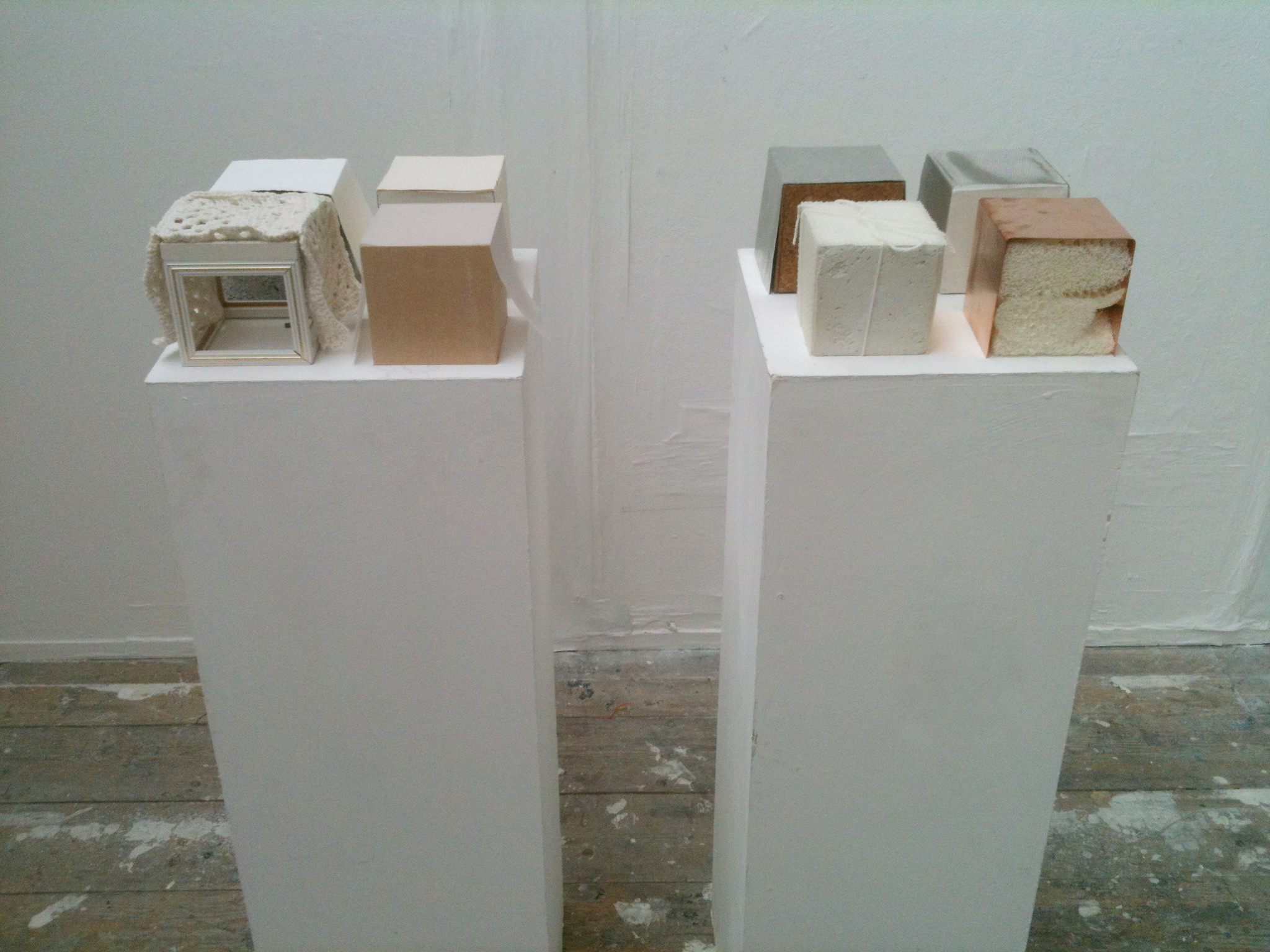
plinths – one is archiving the other
4 + 4 – grouped so that textures speak to each other
why not on floor – force viewer to get on floor
visceral objects
made to become safe
more interesting on floor – could be freer, contrived on plinths
communication between objects keeps returning
limiting
documentation
screaming to say something then say sssshhhhhh
glass not wearing clothes – draped looks taken apart
work if less of them? or more space between them? difficult to see groups
interesting textures
just glass and one other
photos do same as covering
what is an object trying to say
emitting/admitting
contrived relation
autobiography of cube, of the cubes story
photos all external spaces
size of images? why is one focussed in on? if smaller such as postcard then evokes travel
what is next in the story? (sequence)
up close photo of glass cub most intriguing, object disappears almost – frame
strength
asking you to look in – domestic
photo spacing so viewed together, like stop motion. size of photos evokes cataloguing. what if really tiny (business card size?) what of photos square? make lots more – fill whole wall of photos
glass is an illusion
less is more
if just one it says something
why cubes this size? intentional? – hnadable/human
reliable about a cube, strong form
granite cobbes – cobblestones – history
units – could carry on indefinitely
but not the glass one – absent but present
pieces of materials on the wall
JG – look at object orientated philosophy
london town







struggles
i have been avoiding the blog with intention after getting what i consider to be an awful mark. i still finding it hard to accept and move on, but my hand is being forced in that i have the group seminar next week, then the following two weeks are my research.
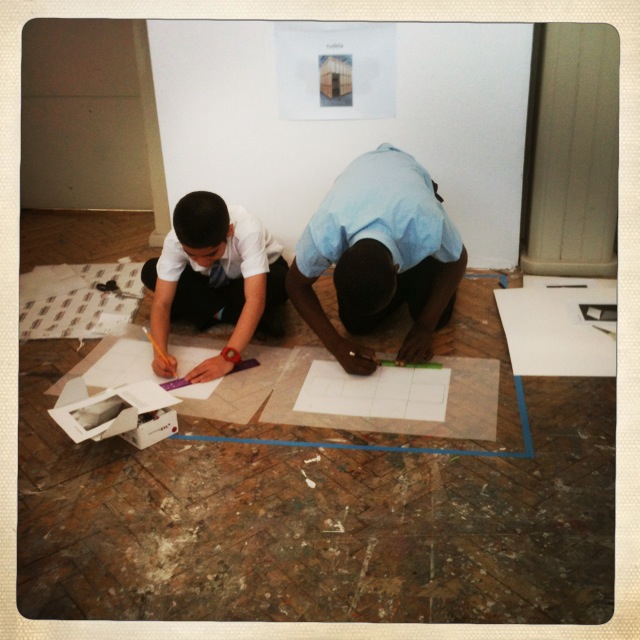
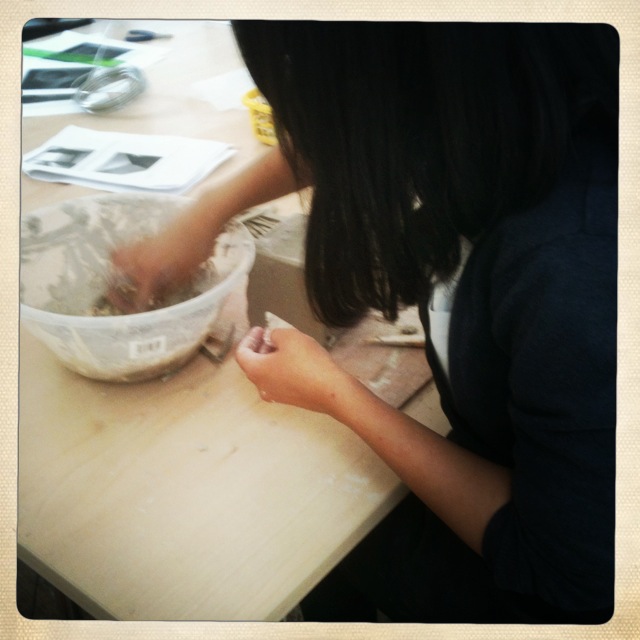
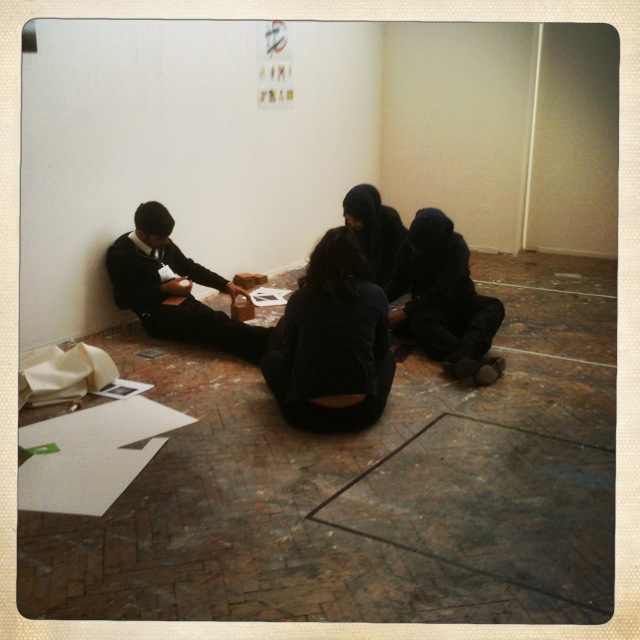
the research is to be a series of workshops with birmingham schools, which is an event put on by BCU every year, its just that this time i will be basing it around my theme of “how to make a cube”. again, this is something i have lost all motivation with and so it’s not ready at all.
i’ve spoken to hubby and friends, and they reassure me that everything is well but i’m still not convinced, although the anger seems to have subsided.
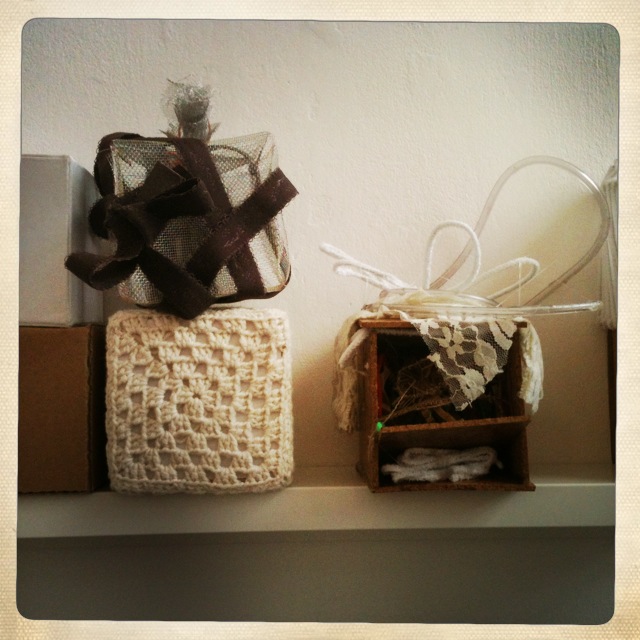
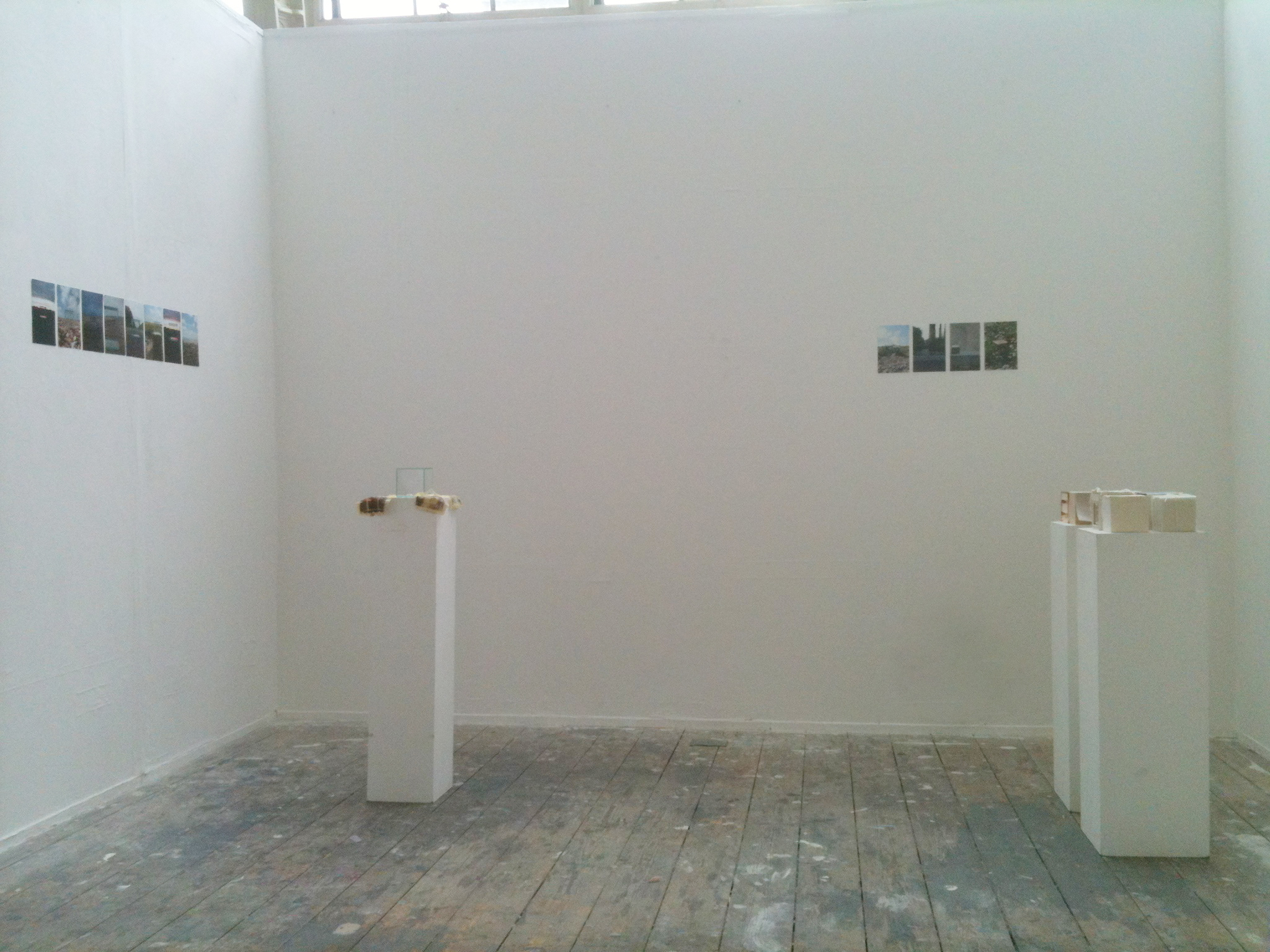
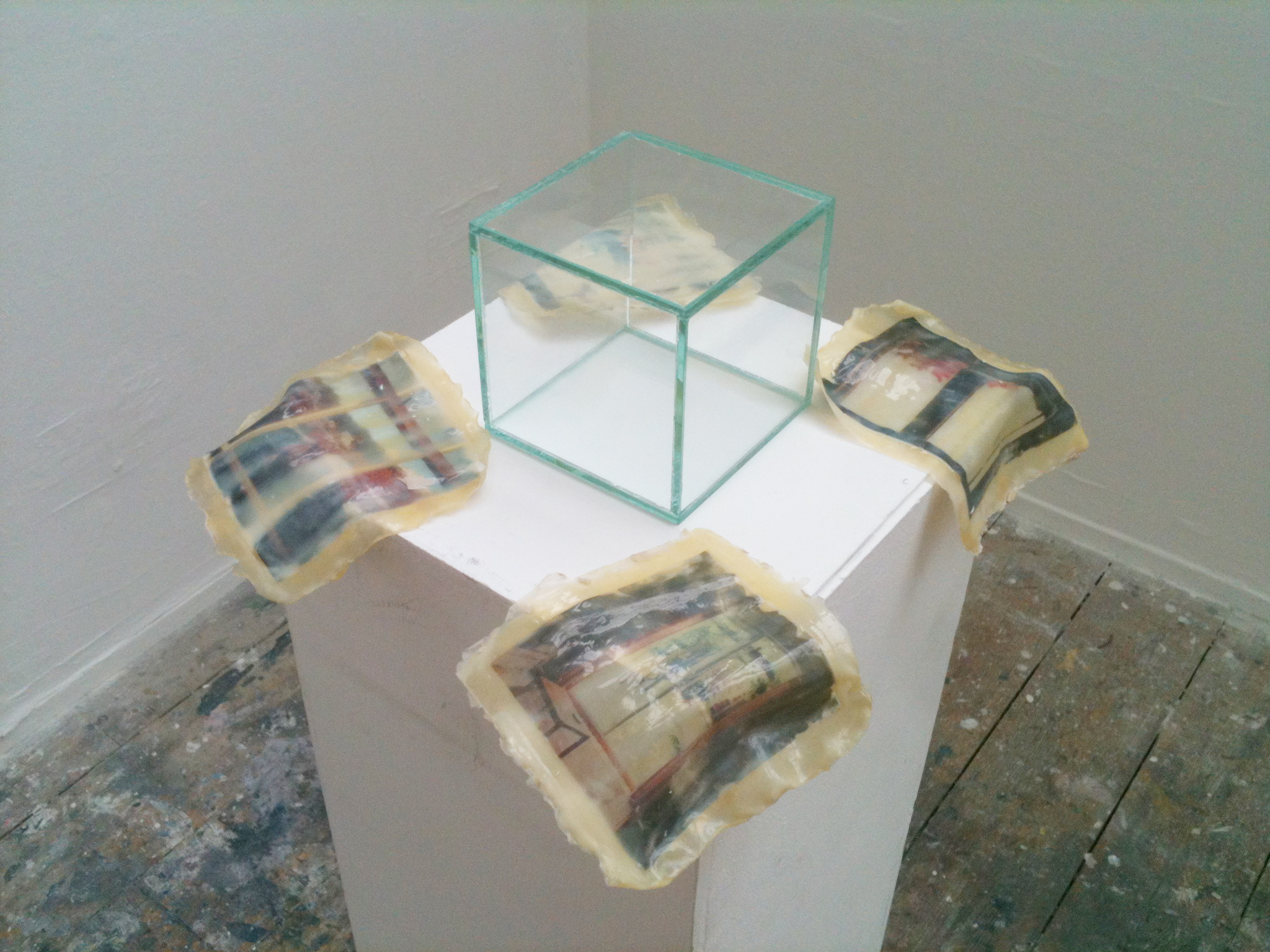
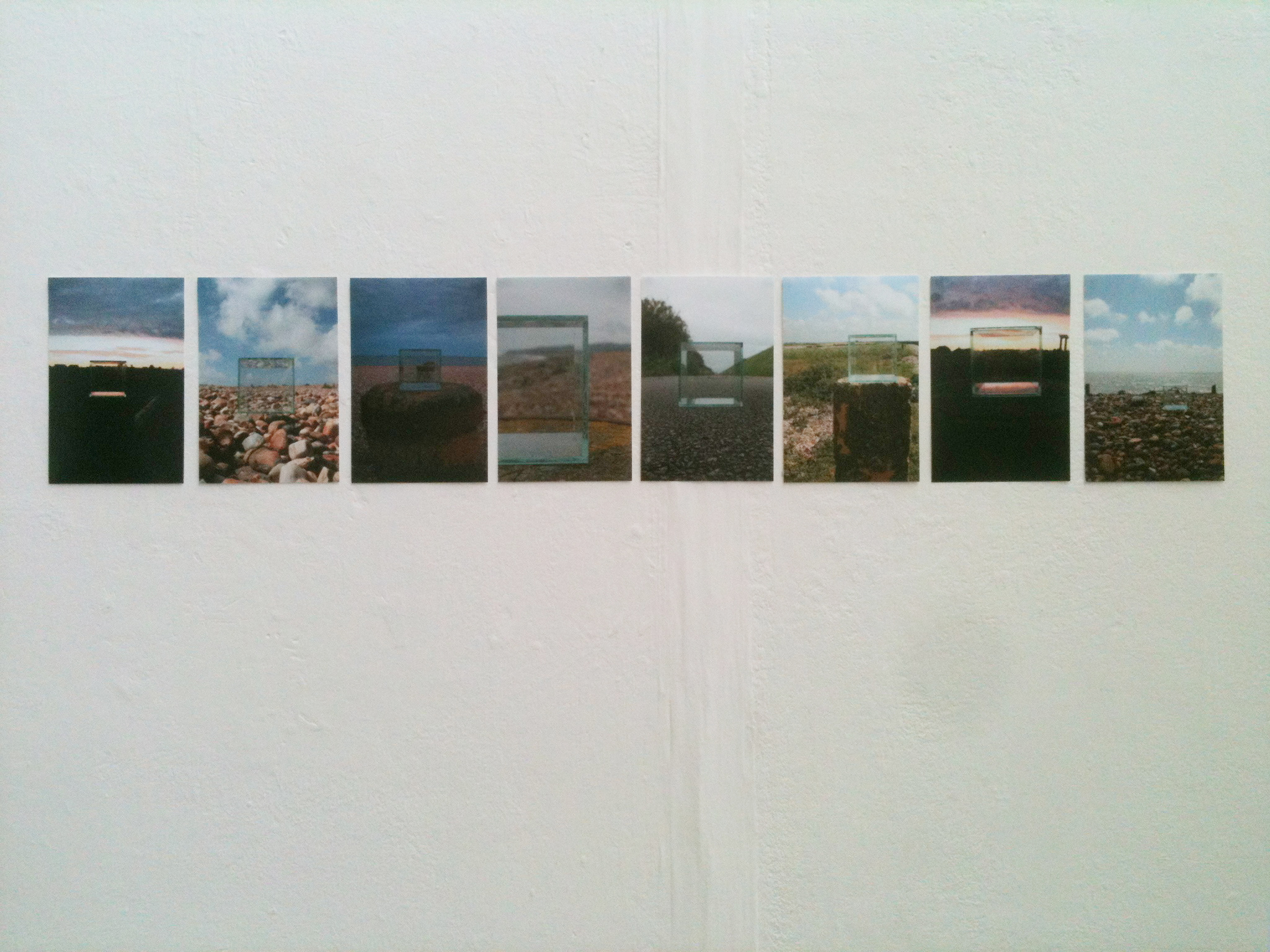
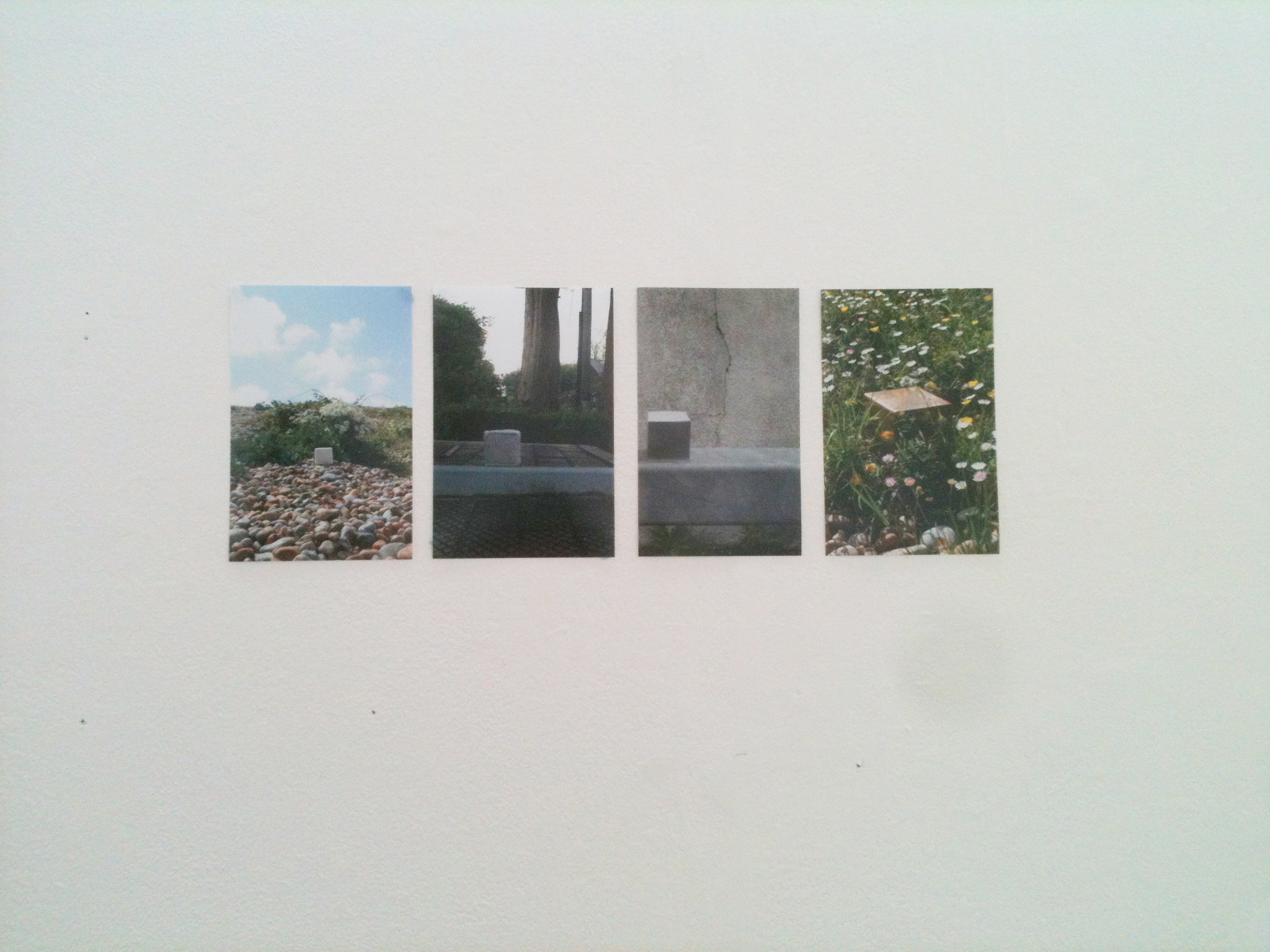
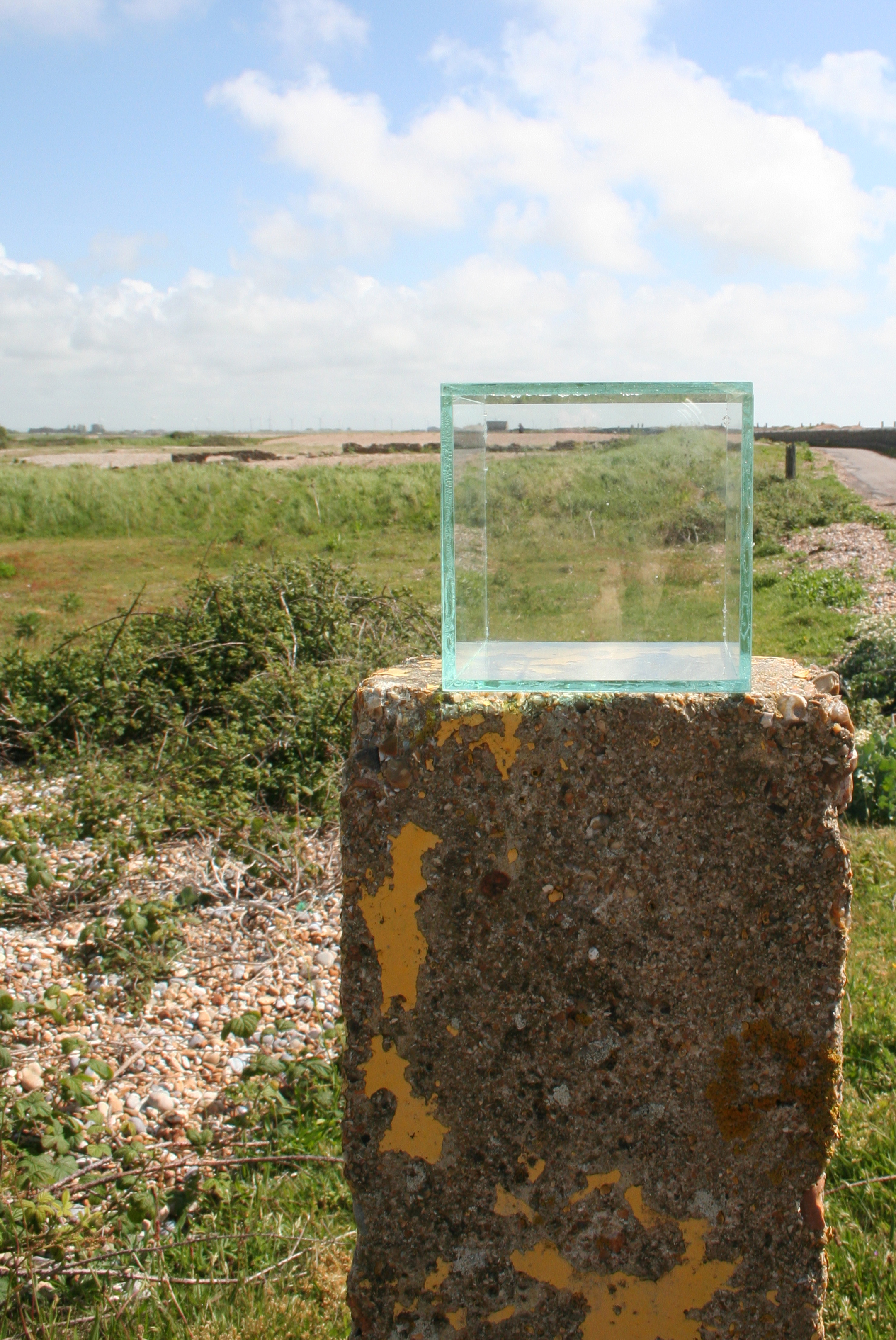
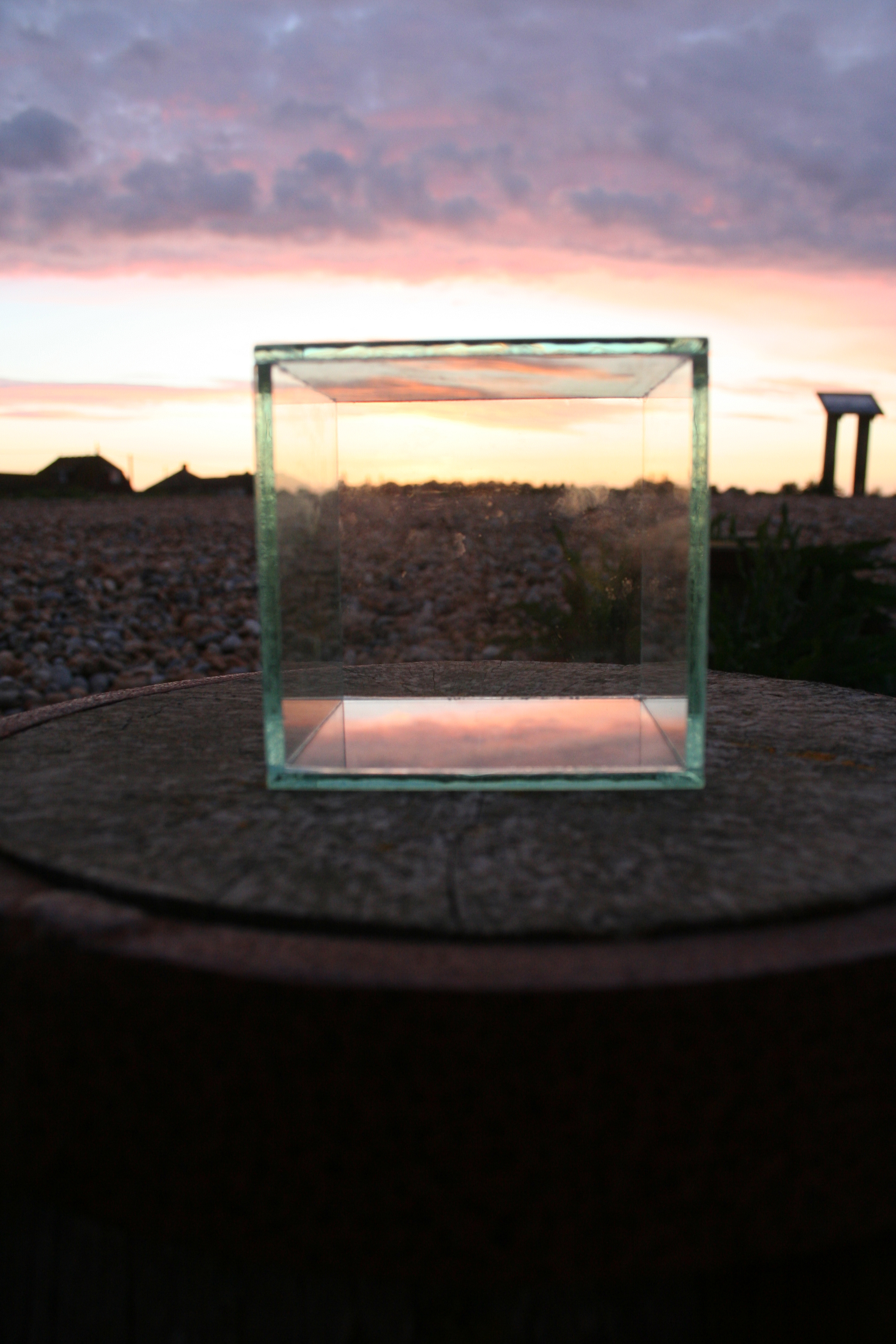
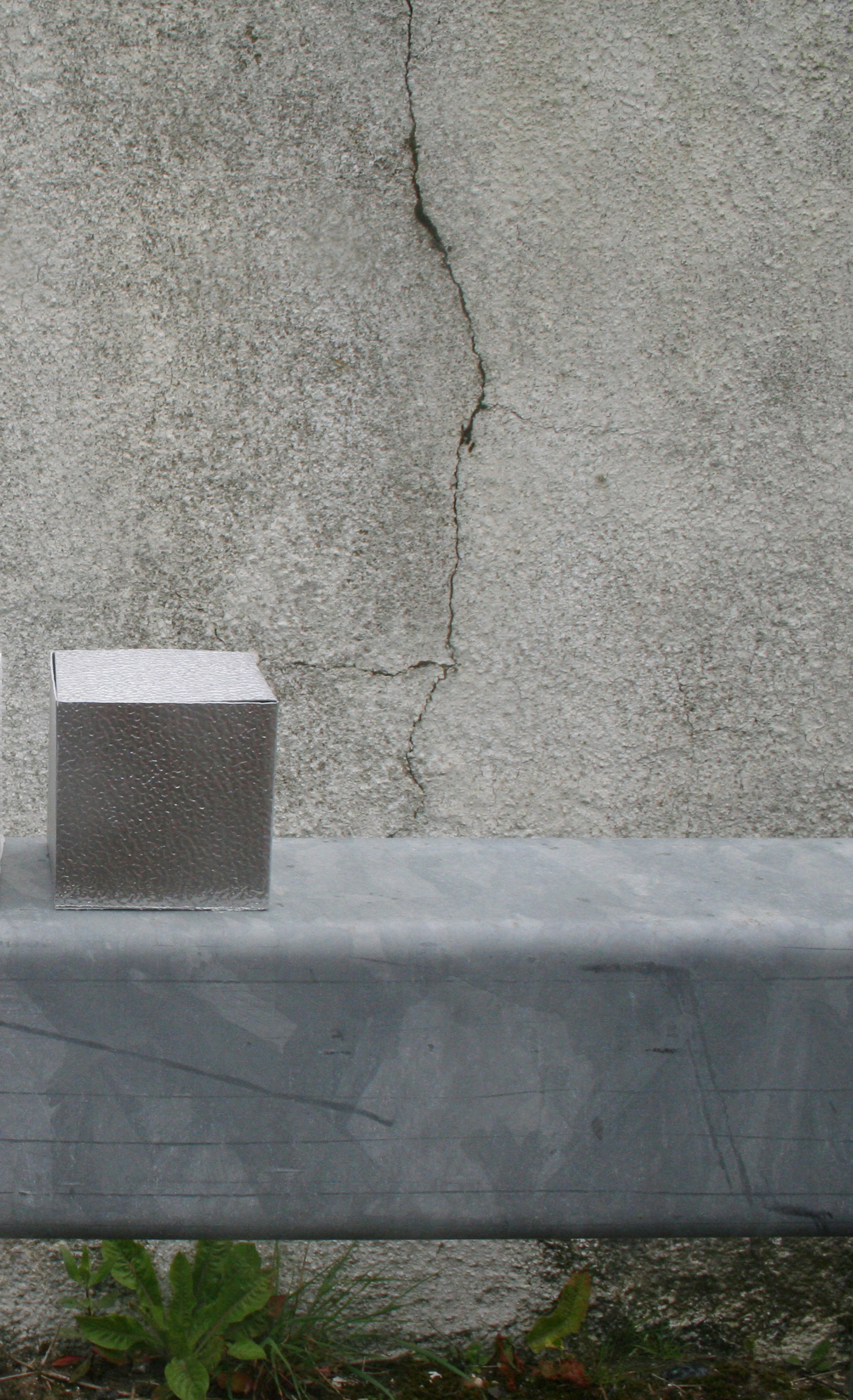
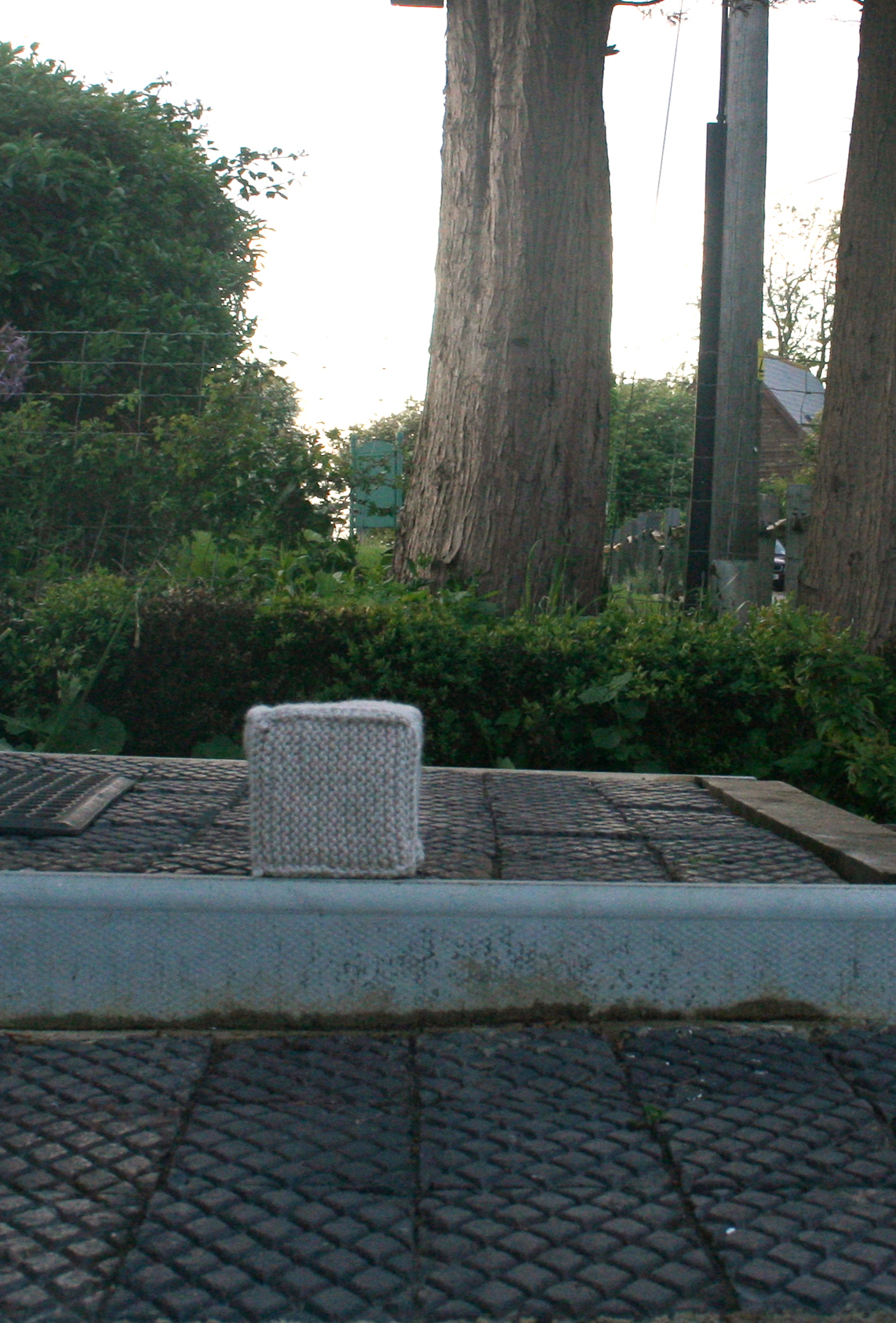
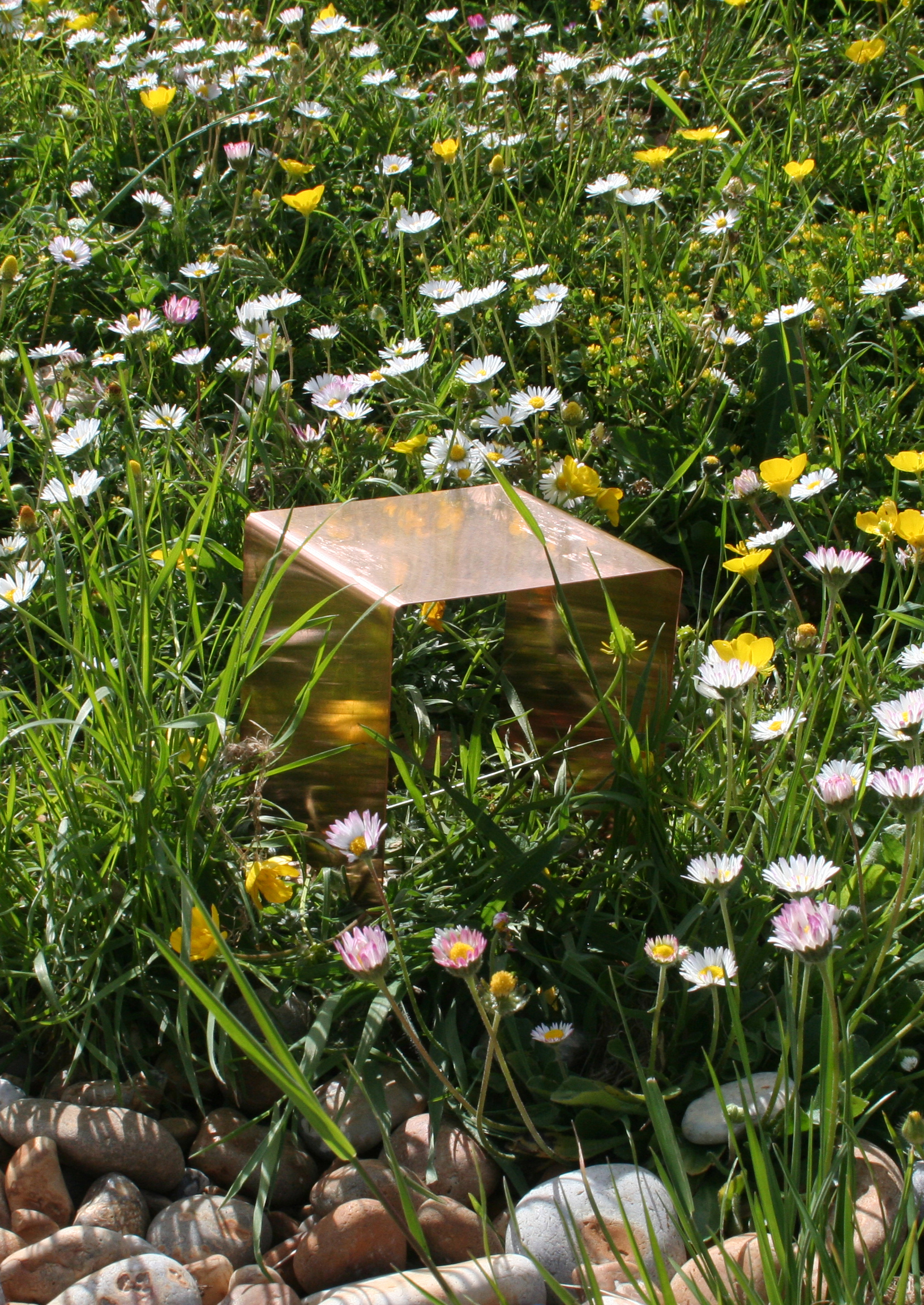
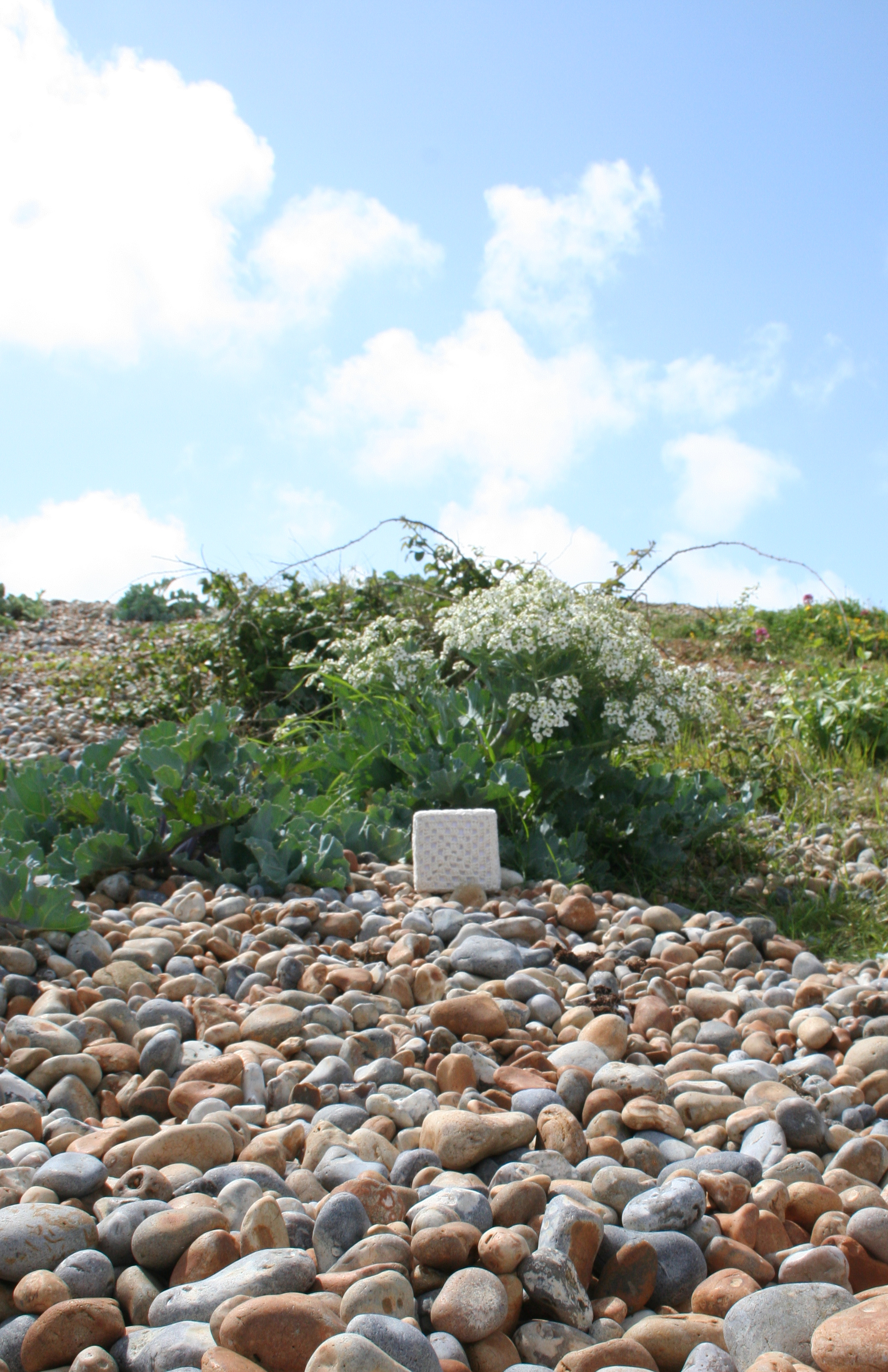
for the group seminar i am going to display, on shelf/shelves, a series of cubes that are a mix of two materials, a series of photos of the cubes out on location, and ideally the glass cube will be mounted on a stand so people can walk around it. my friend said “just play”.
the thing is that i was actually looking forward to it, but now i really couldn’t give a damn, and will probably get highly annoyed by the whole experience.
i don’t know whether to go back to the life lies, or whether to include text; my poetry or others; or to just jack it all in.
i know self doubt is meant to feed creativity but it is just blocking mine! also, i’ve realised that by giving my students ideas constantly on how to improve their work it means that by the time i get to mine, there’s no creativity left ‘in the tank’. maybe it would be better if i wasn’t doing the job i do, so that i could put all my focus in on this but equally i’m finding the whole deadline and criteria incredibly stifling.
off to see the summer exhibition on fri so hoping that will help.
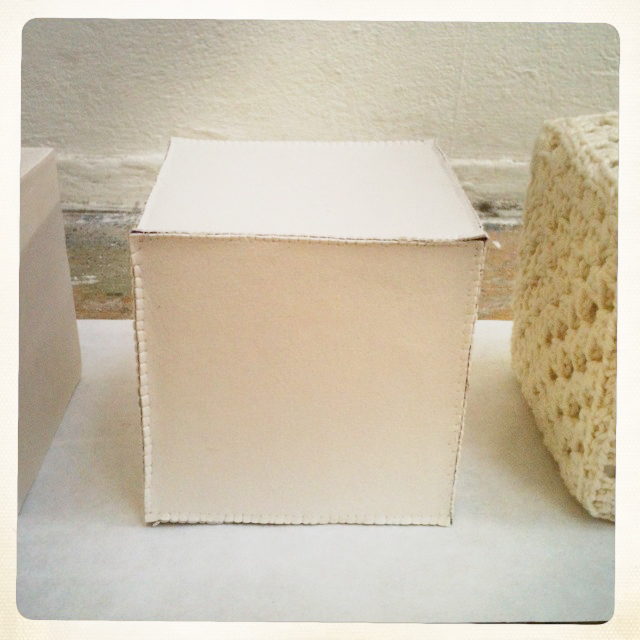
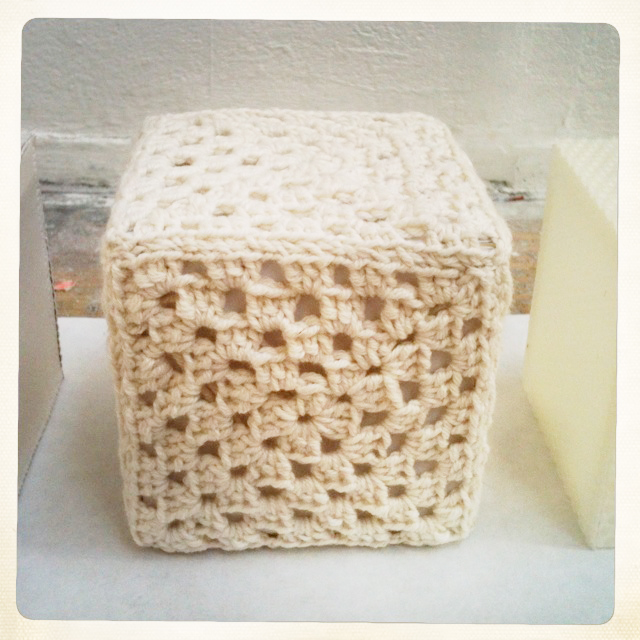
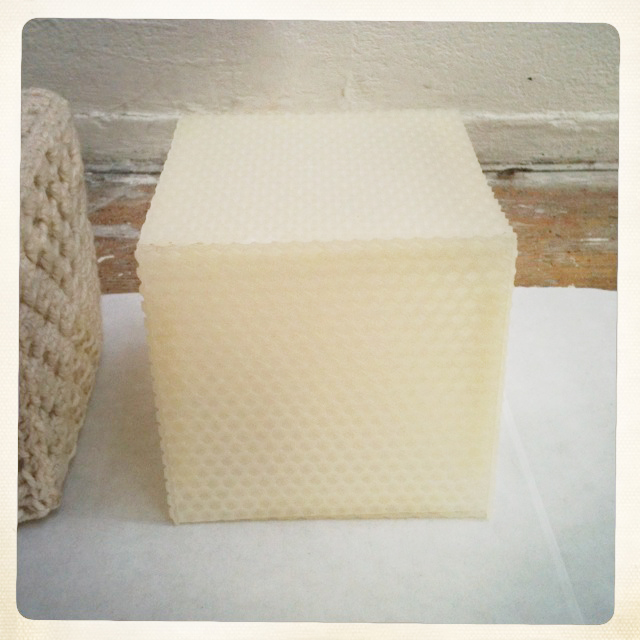
anyway here are the photos i’ll be using for my group seminar:-
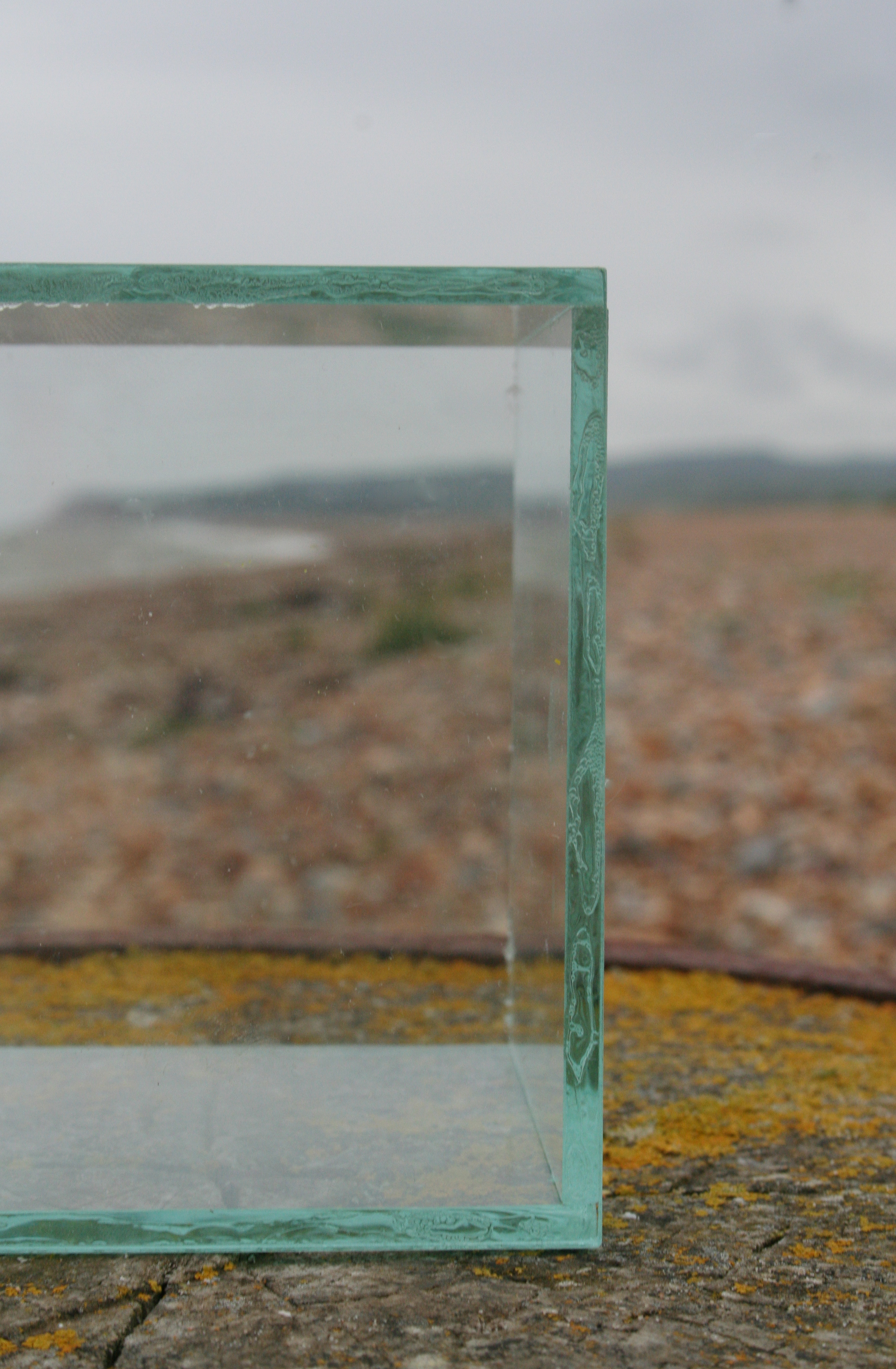
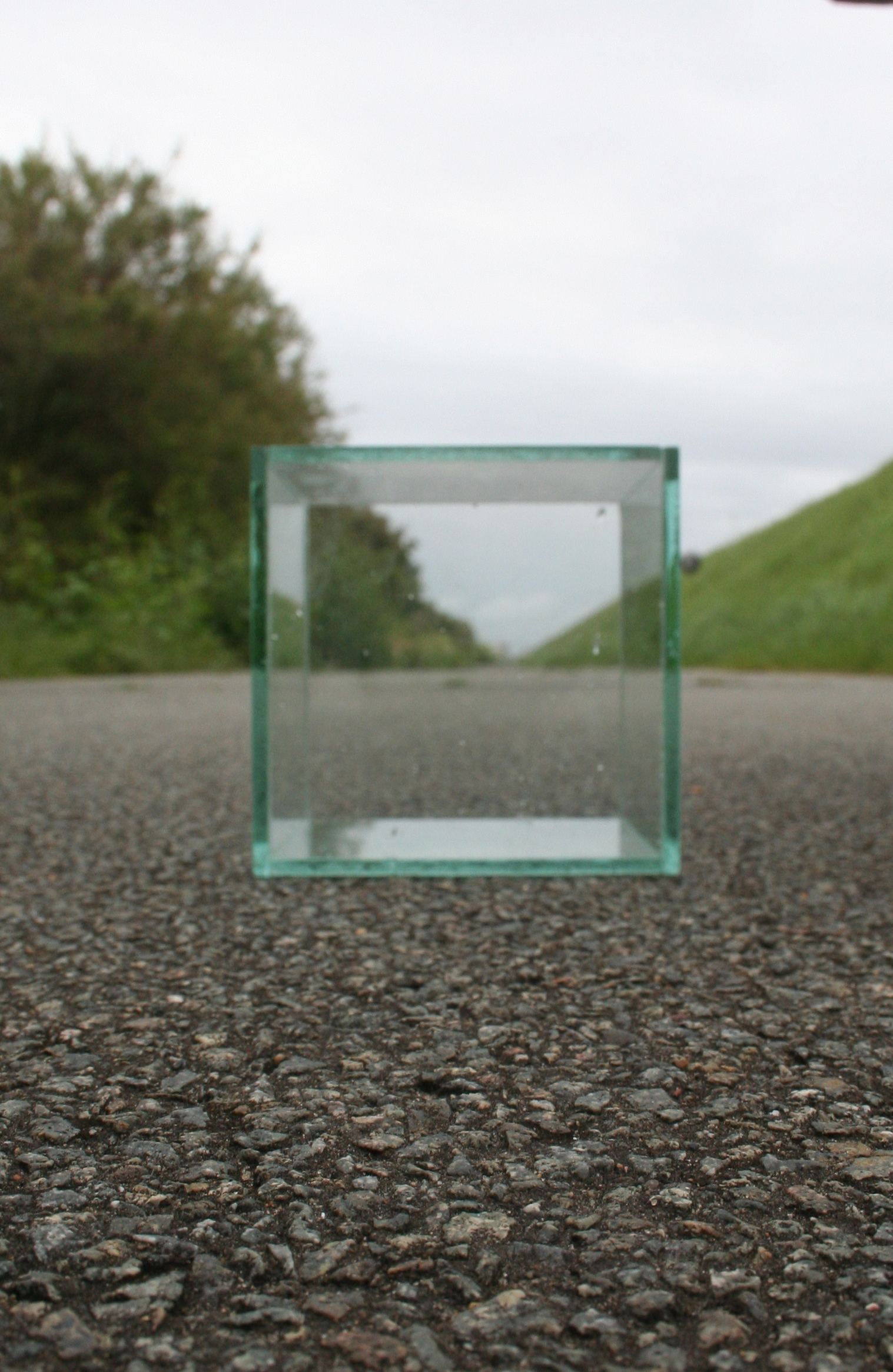

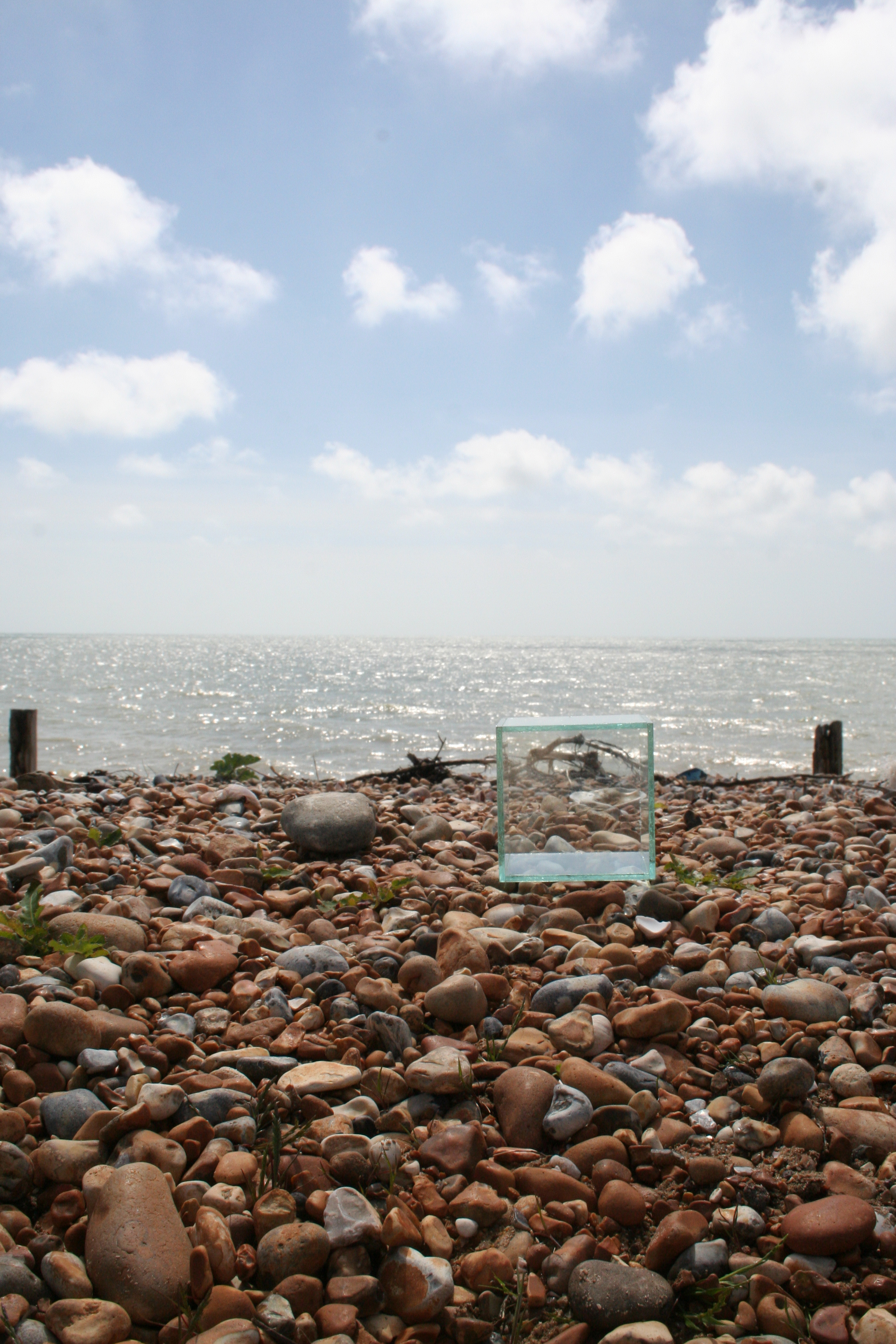
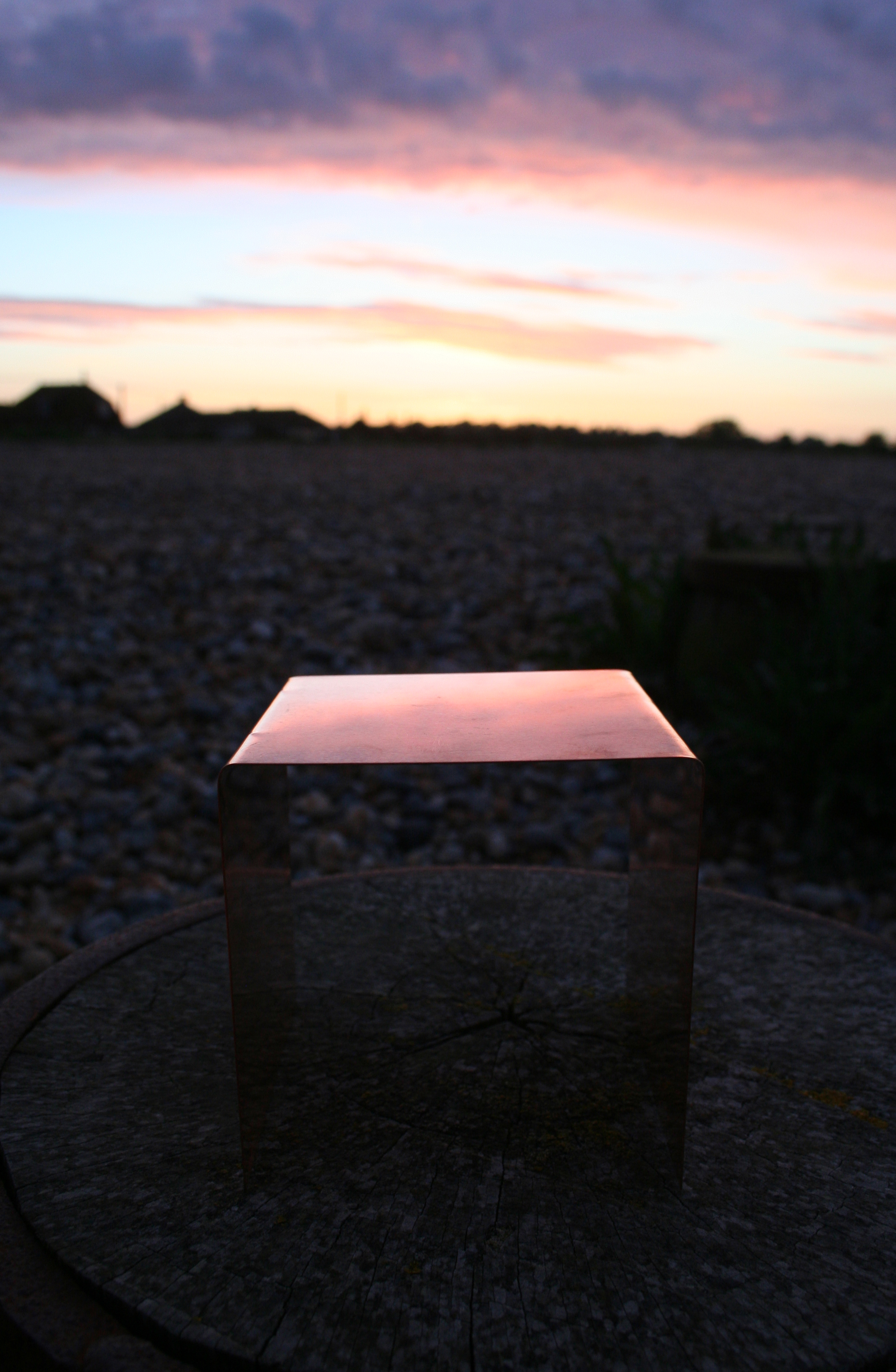
and the winners are……..
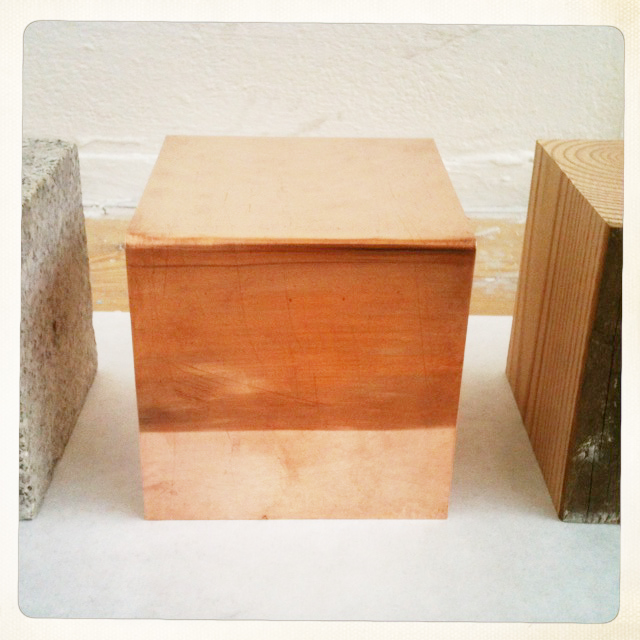
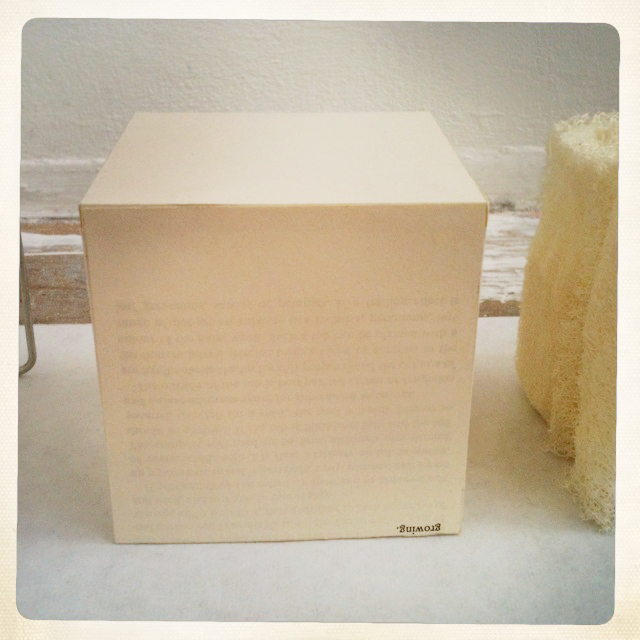
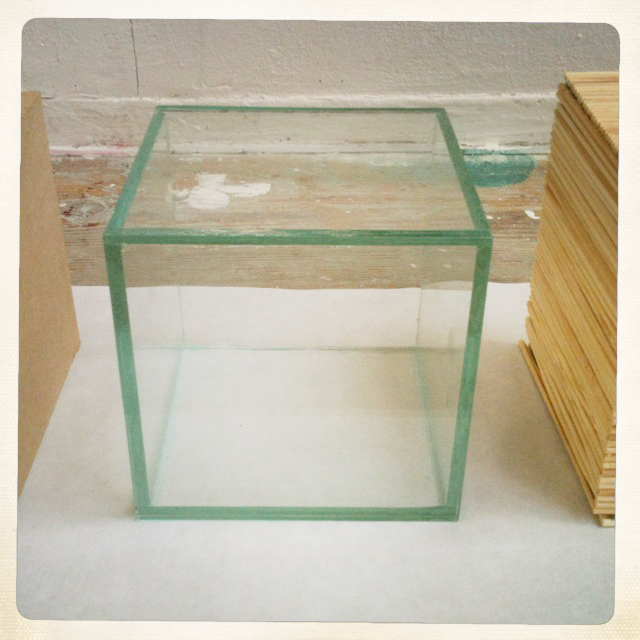
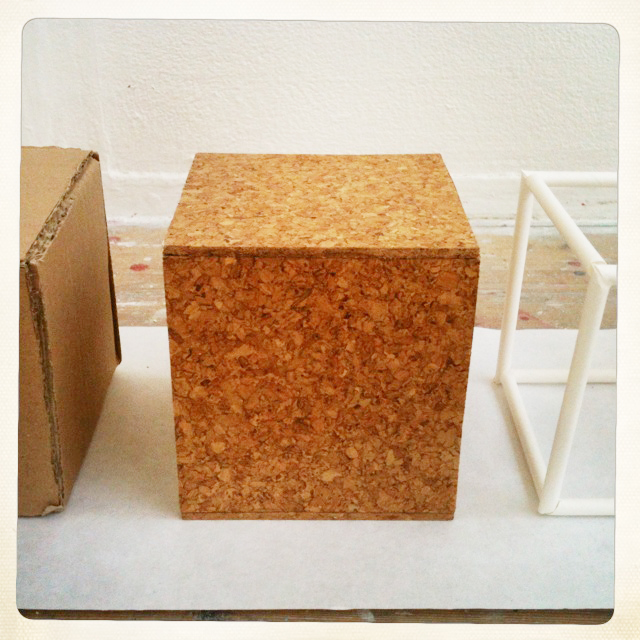
the only ones i’m interested in taking forward

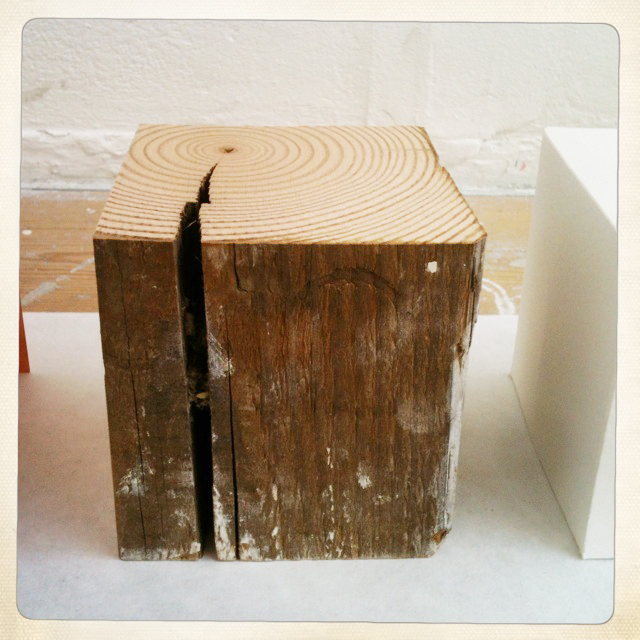
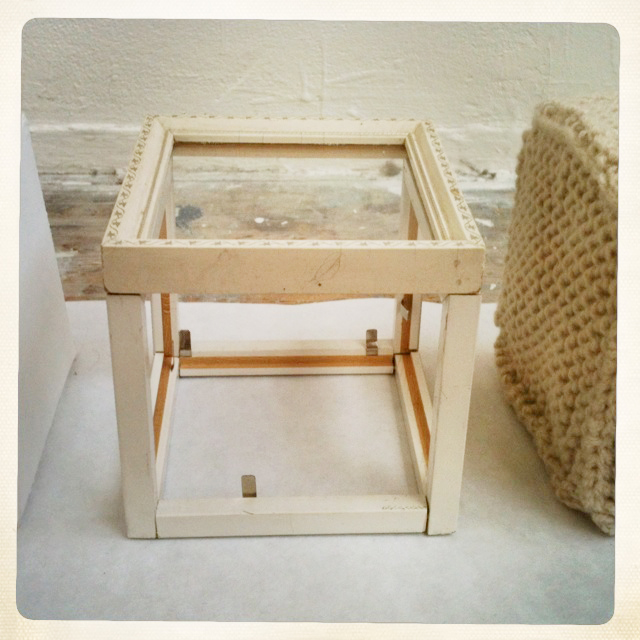
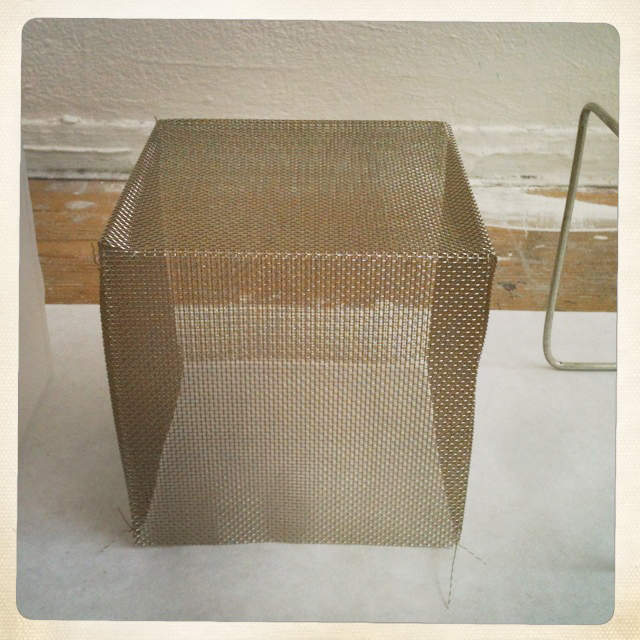


critical evaluation
Overall, the main ideas began with the thought of how a space can make you feel after I upsized my shed from a 6x8ft to a 14x10ft. I had found my little shed increasingly stifling in terms of creative flow, and so took on a series of extra projects in order to buy a new more suitable space, still within my garden.
I have a ceramics jewellery business that has been growing for almost 5 years and had established itself to a certain level, but my ideas to push it further were getting thinner and thinner, and I strongly believed it to be due to not having a creative space to feel comfortable in. If it was a physical restriction I do not feel this was the only issue, as the new shed was soon filled with bigger furniture and a bigger kiln. But my little shed suddenly felt oppressive, and I could not seem to get past this.
Combine this with the coincidental purchase by my father of a railway carriage holiday home, I then began to question what space do people need to live in, to feel comfortable in; what if we all were only given a railway carriage, everyone in the entire world, no matter how rich, or where they lived, could only have a railway carriage, what would people do with them, would it be restrictive or liberating?
So what with this all floating around in my head I began to notice spaces and how they felt, or any reference other people made to how a space feels, or can influence a mood.
As part of the histories module I got to indulge my love of the Bauhaus and managed to focus in on this for the essay submitted. As a result of the reading for this module and essay I found that the values of the Bauhaus reflected what I was feeling in regards to their core values in particular. Their high regard for the essence of materials, and the simplistic use of them connected with how I was reacting and as a result I decided that the best way for me to move forward was to return to basics, to work with materials in their simplest form and to go through the basic learning processes that the Bauhaus students were taught, whether it was drawing straight lines over and over, or manipulating materials without any clever machinery, using just their intrinsic qualities in order to manipulate them. Of course the main forms that are associated with the Bauhaus are the circle, square and triangle. For whatever reason I focussed in on the square. My brain only works in a three-dimensional sense, which I’m starting to realise is quite unusual, and so from a square the natural progression was to a cube.
Put it all together and you get a materials exploration in a cube form.
I had tried to put some greater meaning into all this, as it seemed very self indulgent to just make a bunch of cubes, and so became absorbed with images of places that held great meaning to me, and from this there was an exploration into the time spent at these sites; and then this developed into a series of scaled up cubes, which at certain points – reflecting the time spent at a location –would have an image added to the surface to represent this. This in turn then began to influence the order of the materials as naturally there are certain surfaces which are easier to add images onto than others, and so then the order of the materials began to take shape, but with no greater reason than that.
However, the addition of the images remained very disconnected to the physical entities of the cubes, although it could be argued that the connection went back to the original context of how a space made me feel. Eventually it came back down to simply working with the materials, and allowing that self indulgence in order to accept the need to return to basics to remain untainted by other ideas.
After working with 3D materials for years it is based on knowledge acquired that there would be a certain size that could be worked with which would not be too small to be awkward with materials such as metal or stone, but equally was not too large to make more fragile materials too flimsy, and so a 10cm cube was picked with intention.
(not sure if this is relevant but the RiP is ever present in my mind and around the time of the addition of images to the cube form I had decided to focus in on writing an instructional book as I feel that three dimensional design is particularly being targeted in a negative way throughout art institutions with only a few ceramics only based course remaining in existence. So working with a 10cm cube is also quite a good size in a tactile sense that it is not too delicate or cumbersome for someone to explore the materials for the first time).
This then allowed for a “sweet spot” of size to be established.
After this it then became a process of just working through each material, of which the list kept getting longer!
Whilst this appears on the surface to be a very simple body of work, it has none the less tested me, which is what I was after. I needed to take things back to basics and to work with materials I had lost touch with over the years. For the main part I have enjoyed being able to indulge in the straightforwardness of creating the cube form in all the different materials. Certainly overall, I am definitely happy with the group as a whole. There are weaker ones and stronger ones; ones that surprised me in their success and ones that disappointed me with their lack of finesse. But together they work. There are subgroups within which are much more appealing to me and will probably be what I take forward.
My favourite one is the leather. Granted it was one of the later ones done and so my refinements had reached their peak, but still it was an unexpected set of thoughts that led me to be able to create the most successful one. I had become quite fed up with having to glue things together, and had begun to be drawn in more by the ones that could be secured by their own intrinsic qualities, but I was still enjoying the sewing side of it all, and surprised myself with the neatness of the stitching in particular. The success of it, in my opinion, is to do with the fact that it is hollow inside. With the crochet, knitted and silk ones, which I would group together with the leather in terms of type of material, all had to have quite extensive frameworks in order to best show their forms, be it sponge or card. But the leather one could almost hold its own, there is card on the inside but this only added to the finished quality, unlike with the silk that seemed almost ruined by it.
The worst one, and most disappointing one in terms of the vision I had in my head is the bent rod one. Originally I had bought Mild Steel Square Bar 8mm x 1000mm and had hoped that there was a piece of equipment available at the Margaret Street workshops that would allow me to manipulate it in a continuous line. Unfortunately, I couldn’t have been more wrong, and ended up buying their steel rod that they have for armature making, which turned out to be too bendy to maintain a straight profile, but equally too strong for me to manipulate by hand and so the end result is this wonky entity with no rigidity and randomly bent corners. Don’t like it at all. It may still be cut from the final selection.
I love the quality of the beeswax sheet, and I am pleased with the idea to use the rolled up sheet on the inside to form the connecting pieces, but it’s the texture of the surface and the way the light comes through it that makes it interesting.
The knitted one makes me smile (feel free to squeeze it) but I prefer the neatness of the crochet so if I could find a way to get the perfectly flat sides without using such a solid framework it would be the most effective result.
Hands up, I confess I didn’t make the granite one, its just a paving slab, but seemed too fortuitous to miss that opportunity!
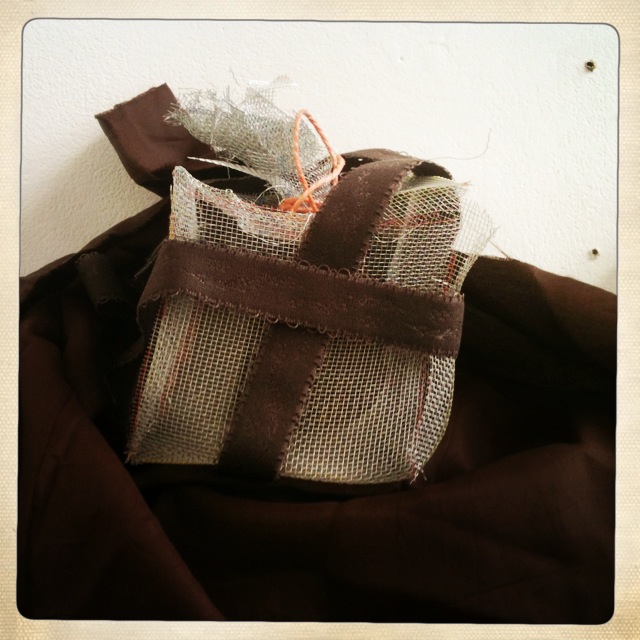
Again, I like the way you can see through the wire mesh one, and would certainly like to explore this in terms of different grades and types of metal mesh. I like the way it is tied simply by the off cuts, and whilst it is quite fragile it has a solidity to it that contradicts this.
The one made from picture frames was also a coincidental find, and whilst it measures 10.4cm I felt it was ok to work with this. There was also an element to this that it reminded me of picture frames my mum had when I was a child, which would have had the type of images in that I was previously including, and so although it is not a ‘raw material’ I feel it has a place in the group. The original glass is still in there to ensure people realise it is a proper frame. I have the back too which could be added to make a base, but I wasn’t convinced it added anything.
The Perspex one annoyed me. I always use a particular superglue in my ceramic jewellery, yet I let myself get lured into buying a different one, a runnier one, which has then ruined the overall finish. I have full intention of remaking this one if only to prove a point to myself.
I’ve enjoyed working with metal again, something which I had spent quite a few years focused on prior to moving onto ceramics. The aluminium sheet works well, I like the texture, and the way it holds itself together. This could be developed into being properly soldered, which is perfectly within my capabilities, but wasn’t an angle I wanted to include at this point as if I were to roll out this instruction manual it needs to be aimed at all skill levels, and without grand tools or techniques being involved. The copper one was the easiest to make, bought cut to size and folded using a hand press at marked spots, but the effect is still what I was after.
The sponge one and the pipecleaner one were just a bit of a jolly, but the sponge one works, and the pipecleaner one could be managed by any skill level. The sponge one can’t really go any further, and is just an exercise in glueing, but adds variety to the group as a whole. The pipecleaner one could be developed by using a variety of weaving techniques and so still has legs in terms of a group instructional lesson.
The solid wood one looks good purely due to the natural qualities of that piece of wood, and so again has a limited shelf life. In contrast the MDF one is incredibly boring as the wood is boring. Ugh.
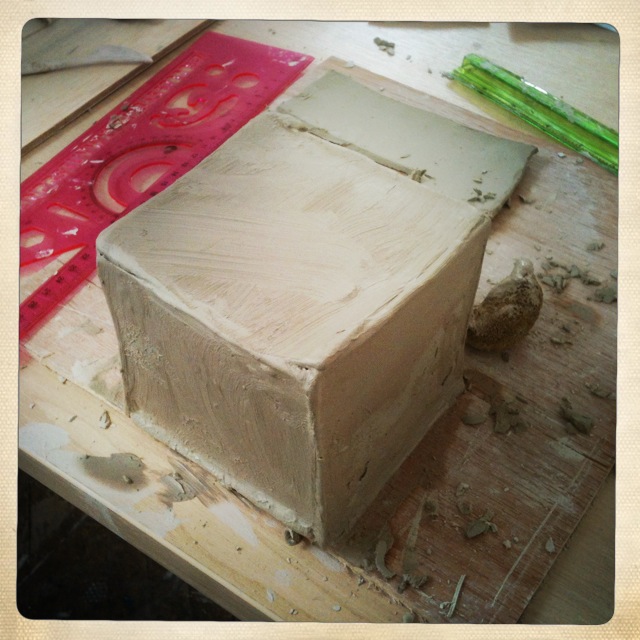
The ceramics one has worked very well, and even though I work with ceramics all the time, I am very out of practice with built work so the final result is better than expected. Would love to put just a simple glaze on to show that is it ceramic as it appears almost plaster like due to the colour.
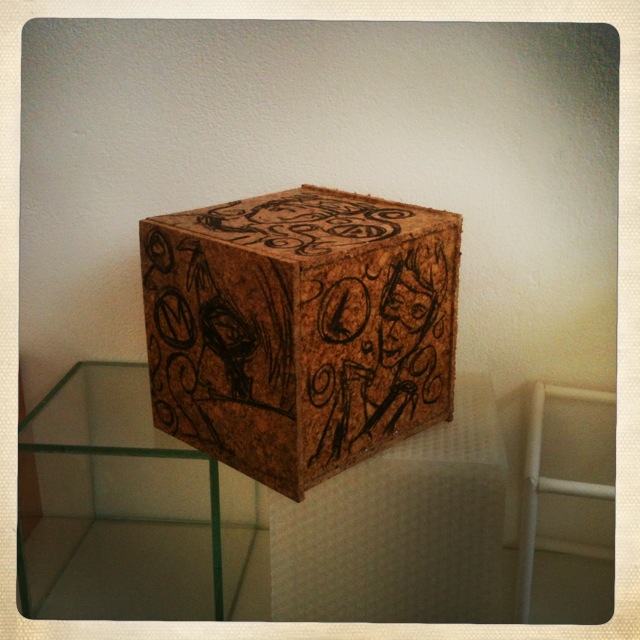
The acetate one was predictably annoying to secure and so I have no intention of bothering with that again. The old pages is done more as an homage to the candle sheet and wire mesh in terms of moving into focusing on surface teture, and having light shine through.
Originally the progression was stage 1 just use raw materials, stage two use materials concentrating on texture, then stage 3 would be to include colour.
The plaster one is hilarious. I only had potters plaster in my studio and so bought some cheap artex plaster from B&Q and I obviously mixed it incorrectly as even though I patted it down the shape at the bottom shows how it did not spread into the corners properly. If I have time I will redo, although it would have been good if it worked as could have passed it off as concrete. I’ll leave it for the assessment but it’s too silly looking to actually be included in the group.
The glass one I am very happy with. I returned to my trusty superglue I use with my ceramic jewellery and it went to plan. I was more precise on this one compared to the earlier ones as I felt it would be too obvious if the measurements were off.
I think it is appropriate to include my tests and experiments otherwise it doesn’t look like I’ve progressed my ideas.
There is a list of methods and materials that I have been unable to utilise due to either restrictions in my own skills or money or time. I need to recruit a blacksmith if I want one in wrought iron. I reckon I might get on acceptably welding steel rod, but that is something I’ve never done before and so need the time to learn properly. Similarly, whilst I have done glass slump work I would prefer to take my time over this as will take a few attempts. I’ve worked with resin before and so feel confident this could work but it is cost prohibitive in terms of something that could be used as a project in a learning session and so should, but probably won’t be trialled, although the method is so unique it probably needs to be done. (mad thought – use jelly instead!). I sat down with a jeweler and we worked out the best method for creating a silver one, but at a cost of £350 I could not justify this as soldering would have to be so accurate and I feel I am too out of practice compared to the cost.
Otherwise, it’s materials such as concrete and brick that are missing. The concrete one was very close to being included, but I would love to try to get the kind of concrete that has pebbles in and to get the sides cut properly to slice them and being able to see the quality of the flint or such inside. Brick would be a skill learning exercise for me, but again has limited possibilities to be developed.
Overall, I would take the beeswax, picture frame, aluminium sheet, copper, wire mesh, ceramic, glass, old page and leather ones forward for definite. Maybe add the crochet one to that, and certainly I need to resolve the Perspex one before that gets eliminated. Absolutely not bothered with silk, MDF, mountcard, hahnemule paper, tracing paper, skewers, acetate or pipe cleaners. In my mind they are resolved and pose no further validity. I do like the knitted one, but again I can’t see where that can go.
In conclusion, the work required to create the cubes has given me a whole new starting point, where I can bring in all my skills to their upper level, but be free from the restrictions of making something for a purpose, as I do so in so many other aspects of my life. My studio has allowed me the freedom to work with all the materials and so the feeling that my ideas were getting thinner and thinner is now in full reverse. I feel hopeful for where this may go next and have a variety of possibilities to explore already, offering an even wider set of end points. I don’t believe this was just a creative block, but I do think it was imperative for me to reconnect to previously explored materials, and to discover new ones to work with too. Otherwise the quality of the work I would now be churning out would be considerably poorer.
the final cut


